
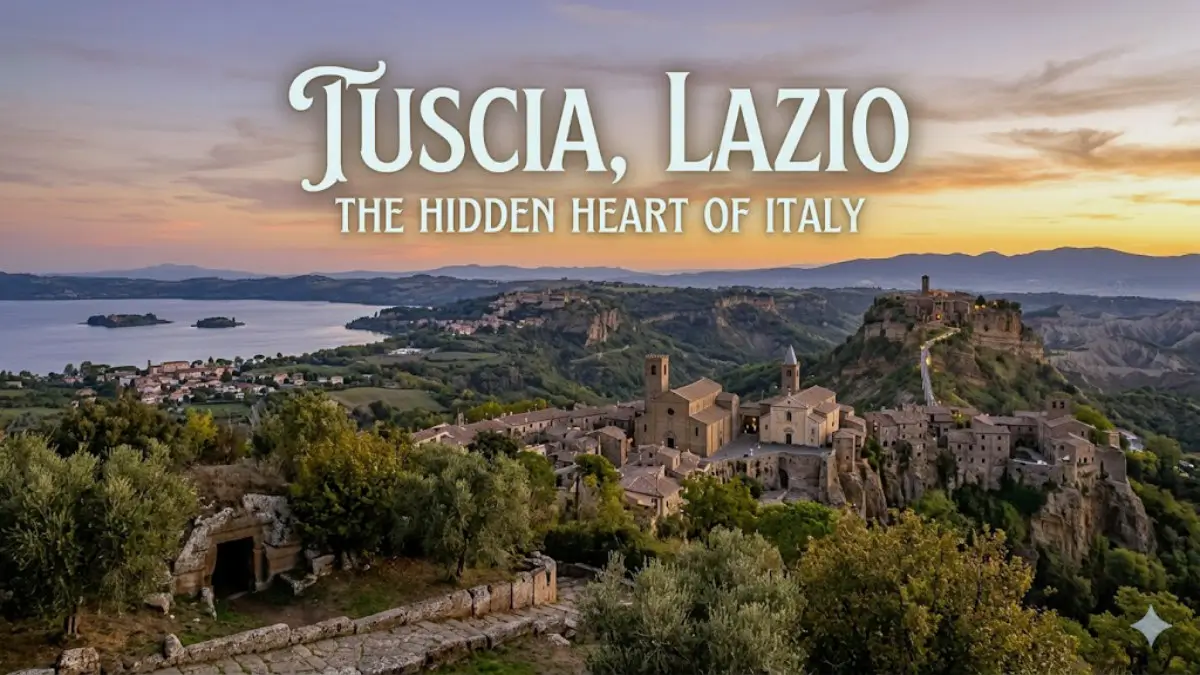
Tuscia Lazio Itinerary: A Beautiful and Unforgettable Escape Near Rome
Tuscia Lazio is one of the best off-the-beaten-path escapes in Italy if you want a short trip that feels close to Rome but far from the usual tourist route. Located around Viterbo and northern Lazio, this region mixes medieval streets, Etruscan heritage, Renaissance gardens, volcanic landscapes, hot springs, and quiet hilltop villages.
Instead of rushing between Rome, Florence, and Venice, Tuscia gives you a slower and more atmospheric version of central Italy.
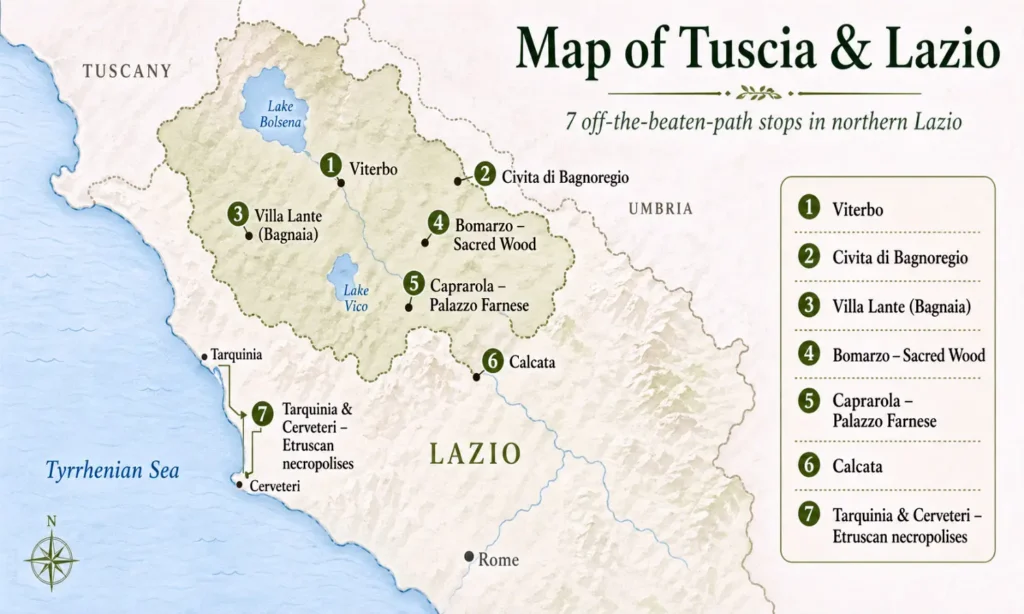
You can walk through the medieval San Pellegrino district in Viterbo, cross the dramatic bridge to Civita di Bagnoregio, explore the fountains of Villa Lante, visit the surreal Sacred Wood of Bomarzo, and add Etruscan sites such as Tarquinia or Cerveteri. Italia highlights Viterbo, Civita di Bagnoregio, Villa Lante, Bomarzo, Palazzo Farnese, and Calcata as key stops in the Tuscia Viterbese area.
Is Tuscia in Tuscany?
No. In modern travel terms, Tuscia usually refers to the area of northern Lazio around Viterbo. Although the name has historical links to the Etruscans and can sound similar to Tuscany, this itinerary focuses on Tuscia in Lazio, between Rome, Umbria and southern Tuscany.
This is a great choice for a 3–5 day Italy itinerary if you want culture, countryside, food, history, and beautiful villages without the intensity of Italy’s most famous cities.
Why Visit Tuscia Lazio?
Tuscia Lazio is ideal if you want an Italian trip that feels authentic but is still easy to organize. Viterbo is known as the “City of the Popes,” with medieval architecture, the San Pellegrino quarter, palaces, thermal waters, and the annual Macchina di Santa Rosa procession, which is included in UNESCO’s Representative List of Intangible Cultural Heritage.
The region also has a strong Etruscan identity. The UNESCO-listed necropolises of Tarquinia and Cerveteri are among the most important traces of Etruscan civilization, with tombs, frescoes, and burial architecture that reveal aspects of pre-Roman life in Italy.
Tuscia Lazio Map: 7 Hidden Gems Off-the-Beaten-Path Stops
7 Best Lazio Hidden Gems
Viterbo
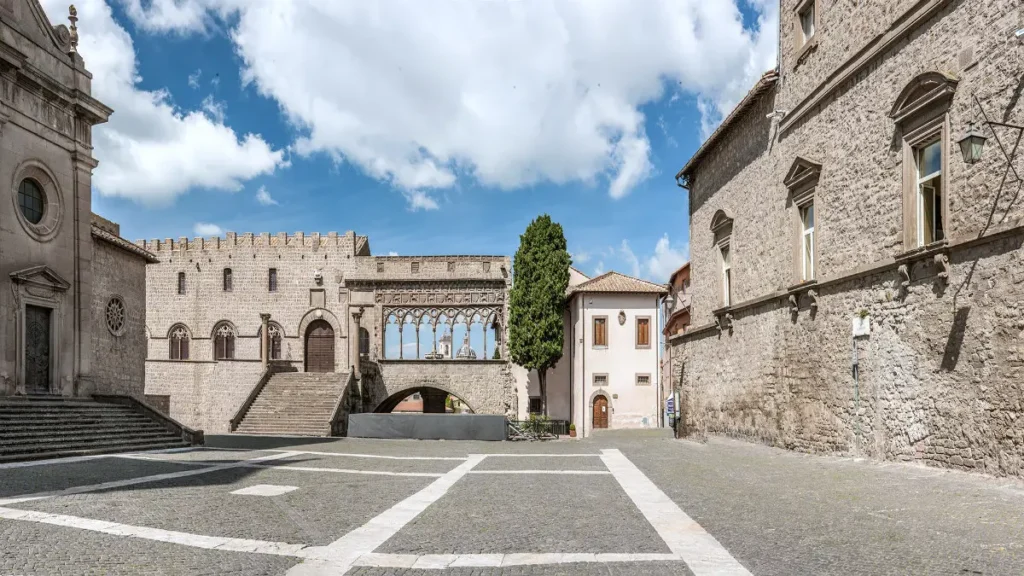
Viterbo makes the most practical base for exploring Tuscia. Its medieval center is atmospheric but not overwhelming, especially around the San Pellegrino district. You can combine historic streets, churches, palaces, local restaurants, and thermal baths in one relaxed day.
- Best for: first-time visitors, car-free travelers, history lovers.
- How long to spend: half a day to one full day.
- Travel style: slow city wandering, evening meals, spa time.
Looking for a Different Day Trip from Rome?
Tuscia is one of Lazio’s most underrated escapes, with hilltop villages, Etruscan sites, gardens, and peaceful countryside close to Rome.
See Tuscia Tours & ExperiencesCivita di Bagnoregio
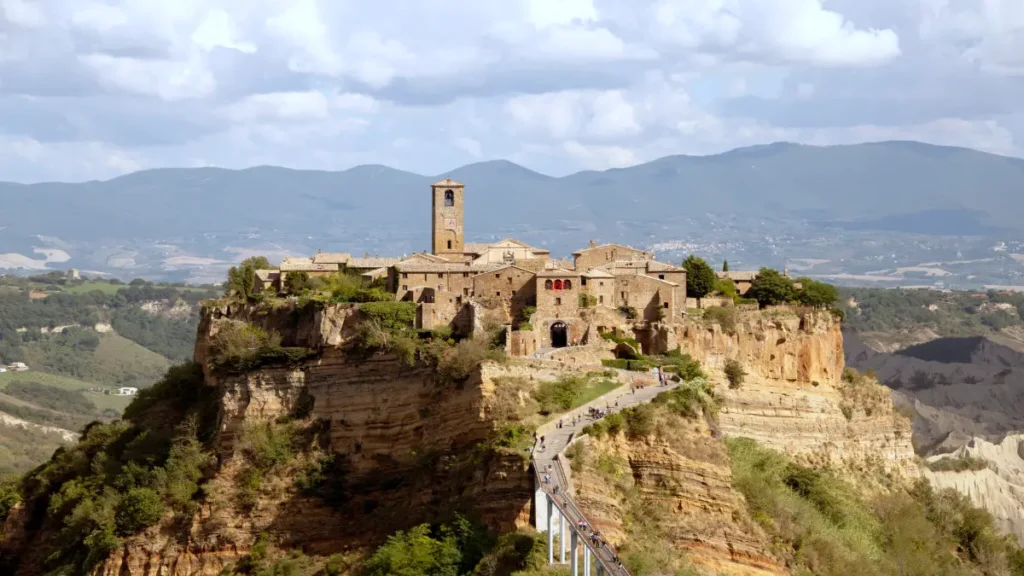
Civita di Bagnoregio is one of the most photogenic villages in Lazio. Built on a fragile tuff hill and known as “the dying city,” it is reached by a pedestrian bridge and entered through Porta Santa Maria. It is the medieval alleys, stone houses, the Church of San Donato, and a dramatic erosion landscape.
The official ticket information page currently lists the entry ticket at €5, though visitors should always check before going because access rules and ticketing details can change.
- Best for: photography, romantic views, dramatic landscapes.
- How long to spend: 2–3 hours.
- Tip: go early or later in the day for softer light and fewer day-trippers.
Villa Lante, Bagnaia
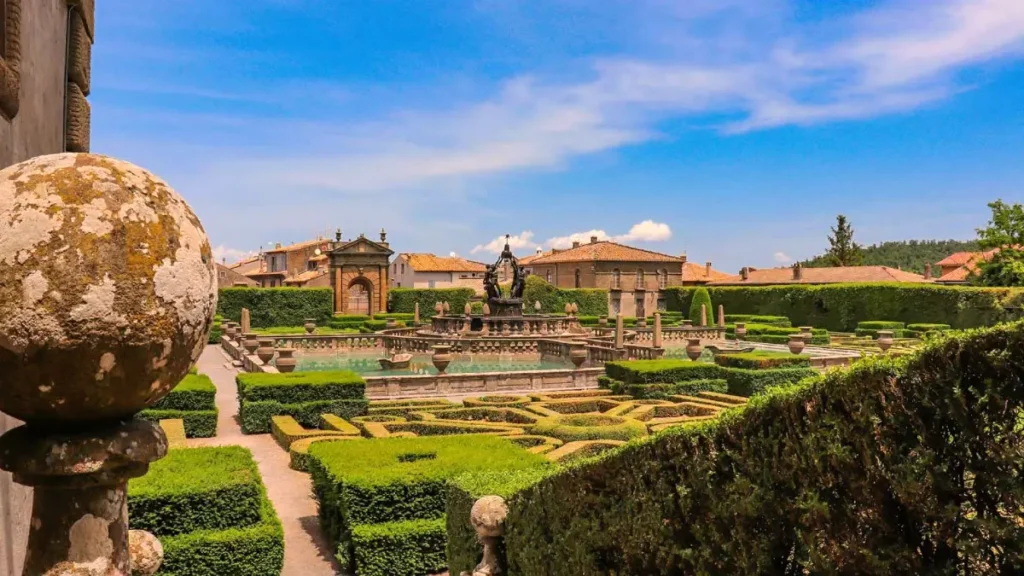
Villa Lante is one of Lazio most elegant stops. Located in Bagnaia, just outside Viterbo, it is a 16th-century Italian Mannerist garden known for terraces, fountains, hedges, sculptures, and water features. It consists of the garden design by Jacopo Barozzi da Vignola and describes it as one of the most spectacular examples of its kind.
- Best for: garden lovers, couples, architecture, and slow travel.
- How long to spend: 1.5–2 hours.
- Good pairing: Viterbo in the morning, Villa Lante in the afternoon.
Sacred Wood of Bomarzo
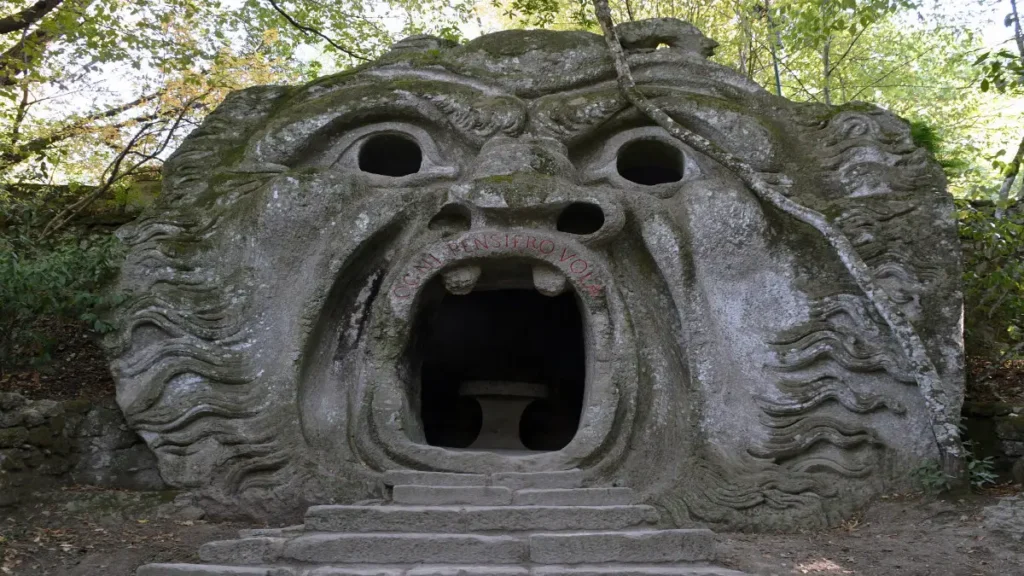
When you decide to visit Tuscia Lazio, the Sacred Wood of Bomarzo, also known as the Monster Park, is one of the strangest and most memorable places in Tuscia.
It is a Renaissance-era park filled with oversized stone creatures, mythological figures, and mysterious sculptures. It is among the main Tuscia Viterbese stops and is described as a fantastic journey through mysteries and illusions.
- Best for: unusual attractions, families, photographers, quirky Italy itineraries.
- How long to spend: 1.5–2 hours.
- Good pairing: Villa Lante or Viterbo.
Palazzo Farnese, Caprarola
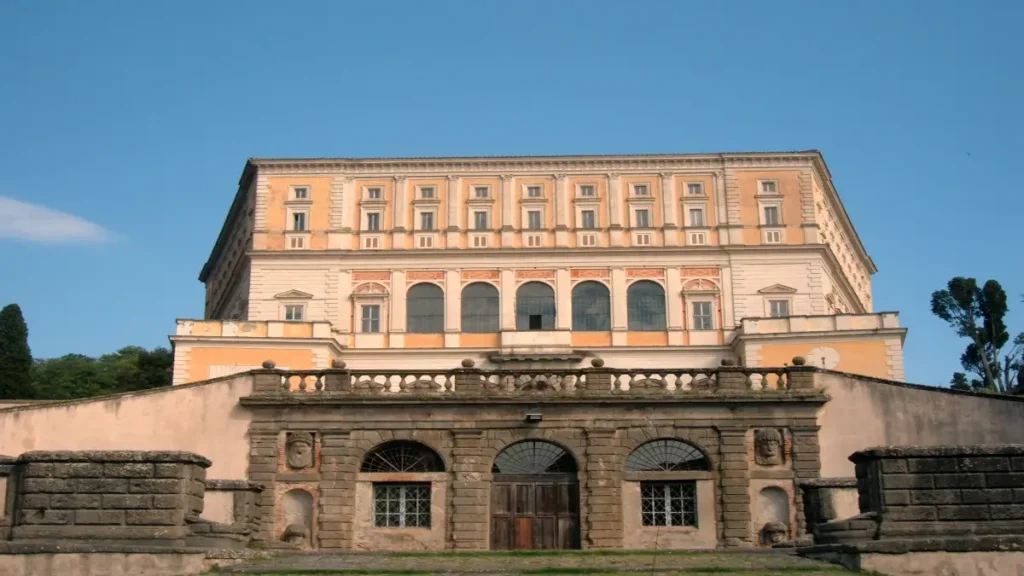
- Best for: Renaissance art, architecture, and history.
- How long to spend: 1.5–2 hours.
- Good pairing: Lake Vico or Villa Lante.
Calcata
Tarquinia and Cerveteri
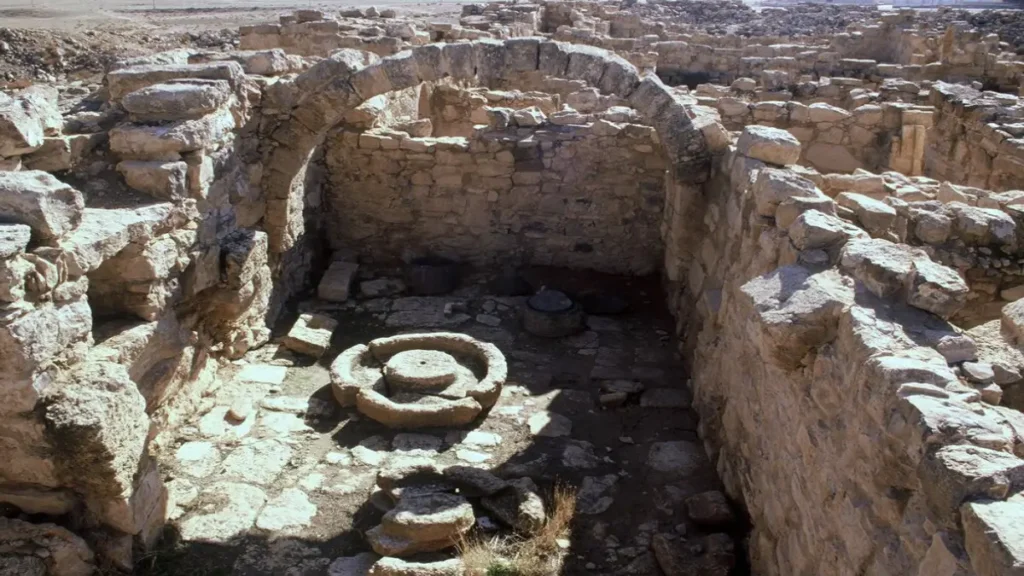
For a deeper historical angle, add Tarquinia or Cerveteri. Their Etruscan necropolises are UNESCO World Heritage Sites, and UNESCO describes Tarquinia’s Monterozzi necropolis as containing around 6,000 rock-cut graves, while Cerveteri’s Banditaccia necropolis is arranged with streets, squares, and neighborhoods like a city for the dead.
- Best for: archaeology, UNESCO sites, and ancient history.
- How long to spend: half a day each.
- Good pairing: Tarquinia with the coast, Cerveteri with a Rome-based itinerary.
Suggested 3 Day Tuscia Itinerary
Day 1: Viterbo and Villa Lante
Start in Viterbo with the San Pellegrino district, Piazza del Plebiscito, the Papal Palace area, and a relaxed lunch in the old town. In the afternoon, visit Villa Lante in Bagnaia for fountains, gardens, and a calmer Renaissance atmosphere.
Day 2: Civita di Bagnoregio and Lake Bolsena
Spend the morning in Civita di Bagnoregio, then continue toward Lake Bolsena for a slower afternoon by the water. This is the most scenic day of the itinerary and works especially well if you have a car.
Day 3: Bomarzo and Caprarola
Visit the Sacred Wood of Bomarzo in the morning, then continue to Palazzo Farnese in Caprarola. This day gives the itinerary a stronger “hidden Renaissance Lazio” feeling, with surreal gardens, grand architecture, and countryside roads.
Suggested 5 Day Tuscia Itinerary
- Day 1: Viterbo old town and thermal baths.
- Day 2: Villa Lante, Bomarzo and Vitorchiano.
- Day 3: Civita di Bagnoregio and Lake Bolsena.
- Day 4: Tarquinia and the Etruscan necropolis.
- Day 5: Caprarola, Lake Vico, and Calcata.
This longer version works better for travelers who want a full off-the-beaten-path Tuscia Lazio road trip instead of a quick side trip from Rome.
Where to Stay in Tuscia Lazio
Viterbo is the best base if you want convenience, restaurants, history, and access to several day trips. Find out where to stay in Viterbo!
Lake Bolsena is better if you want a quieter countryside or lakeside escape. Check where to stay near Lake Bolsena!
Civita/Bagnoregio area works well for photographers and couples who want a slower village atmosphere. Find out the places to stay!
How to Get Around Tuscia Lazio
Tuscia is possible by public transport in parts, especially if you focus on Viterbo, but a car makes the itinerary much easier. The villages, gardens, lakes, and archaeological sites are spread out, and many of the best combinations work better as short drives than train-and-bus routes.
My most practical advice is:
- No car: base yourself in Viterbo and choose fewer stops.
- With a car: combine Viterbo, Civita, Villa Lante, Bomarzo, Caprarola, Lake Bolsena, and Tarquinia into a flexible 3–5 day route.
Best Time to Visit Tuscia Lazio
Spring and autumn are the best seasons for Tuscia because the weather is usually more comfortable for walking, gardens, villages, and countryside drives.
Summer can still be beautiful, especially around Lake Bolsena, but hill towns and archaeological sites can feel hot during the middle of the day.
Winter is quieter and can work well for Viterbo, thermal baths, and atmospheric medieval towns.
Discover Viterbo Thermal SpasTuscia Lazio Faqs
Is Tuscia worth visiting?
Yes. Tuscia is worth visiting if you want a quieter alternative to the classic Rome–Florence–Venice route. It offers medieval towns, Etruscan history, gardens, lakes, hot springs, and countryside scenery in a compact area of northern Lazio.
How many days do you need in Tuscia Lazio?
You can see one or two highlights in a day trip from Rome, but Tuscia works best as a 3-day itinerary. With 5 days, you can add Lake Bolsena, Tarquinia, Cerveteri, Calcata, and more countryside stops
What is the best base for visiting Tuscia?
Viterbo is the best base for most travelers because it has a historic center, restaurants, accommodation, and access to many nearby attractions, including Villa Lante, Bomarzo, Caprarola, and Civita di Bagnoregio.
Can you visit Tuscia Lazio without a car?
Yes, but only if you keep the itinerary simple. Viterbo can be reached by train, but many villages and attractions are easier with a car. For a fuller Tuscia itinerary, renting a car is the most flexible option.
Tuscia is one of the easiest ways to experience a different side of Italy without traveling far from Rome.
It has the ingredients of a perfect short escape: atmospheric towns, ancient history, scenic roads, quiet villages, gardens, lakes, and food worth slowing down for.
For travelers planning a 3–5 day Italy itinerary, this is one of Lazio’s most rewarding hidden regions.