
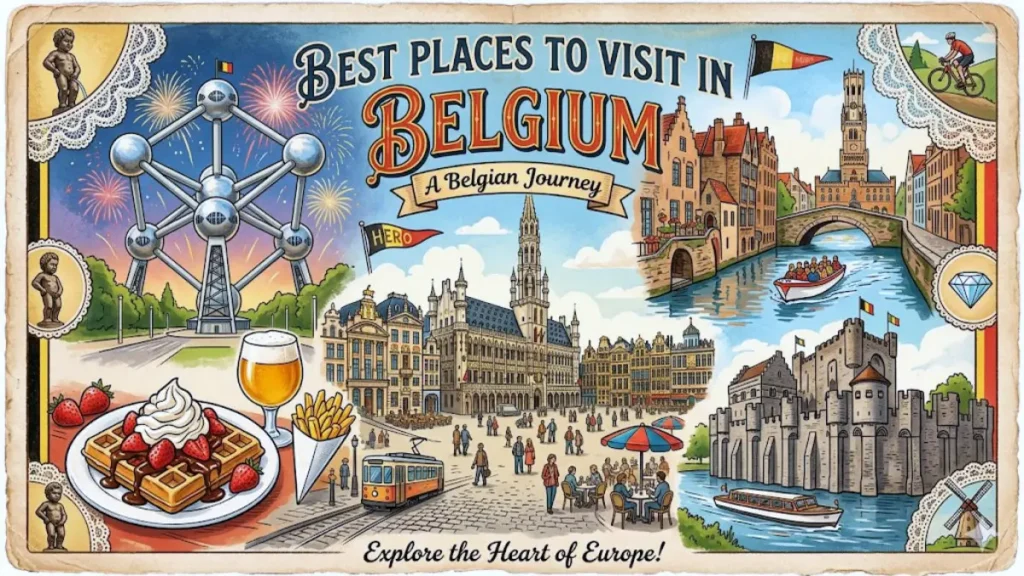
Best places to visit in Belgium include far more than just Brussels and Bruges. This compact European country offers a rich mix of medieval cities, grand squares, canals, world-class museums, local food, and scenic hidden corners that are easy to explore even on a short trip. Read more about what to do in Brussels!
From the lively streets of Brussels to the storybook beauty of Bruges, the creative energy of Antwerp, and the historic charm of Ghent, Belgium is full of destinations that suit first-time visitors as well as travelers looking for something beyond the usual highlights.
In this Belgium travel guide, you’ll discover the best places to visit in Belgium, what to see in each one, and a few hidden gems that make the country even more rewarding to explore.
Discover the best things to do in Belgium
Looking for the top experiences in Belgium? Explore city highlights, cultural attractions, scenic spots, and unforgettable activities across the country.
See the best things to do in BelgiumBelgium Travel Guide Map
This curated map guides you through the “must-see” highlights of Belgium’s two most famous cities. It combines architectural wonders—from the medieval Belfry of Bruges and the ornate Grand Place to the futuristic Atomium—with the country's authentic flavors.
Discover world-renowned chocolate ateliers like The Chocolate Line, sample the legendary “Mitraillette” at Fritland, and explore the 1900s brewing traditions of Cantillon. Whether you are looking for the perfect canal-side photo at Rosary Quay or a cozy DIY hot chocolate at The Old Chocolate House, this map covers the quintessential Belgian experience.
10 Sights and Places to Visit in Belgium
What are the most significant monuments or sights that you can see only in Belgium? Belgium is home to several “one-of-a-kind” sights that range from the bizarrely futuristic to the deeply historic. If you see these, you are definitely in Belgium.
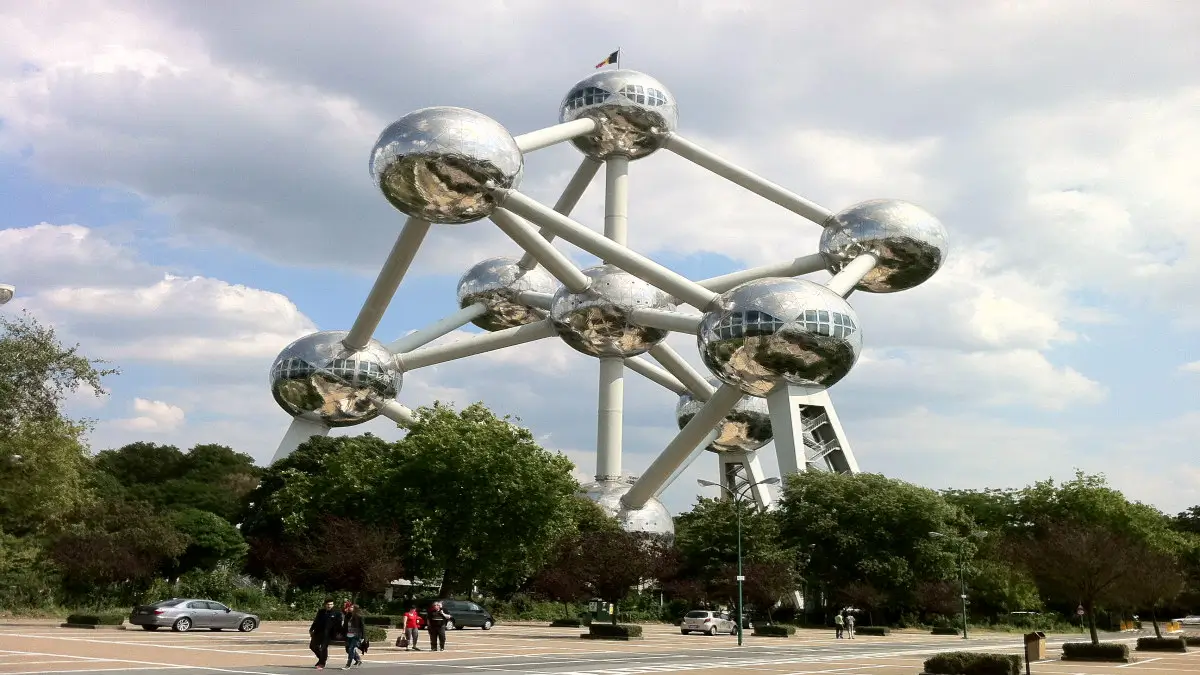
1. The Atomium (Brussels)
This is perhaps the most iconic structure in the country. Built for the 1958 World Expo, it represents a unit cell of an iron crystal magnified 165 billion times. It’s a series of nine interconnected stainless steel spheres that look like a giant metallic molecule floating over the city. You won't find anything else like it on Earth.
2. The Belfries of Belgium
What are actually belfries? A belfry (beffroi in French, belfort in Dutch) is a tall, medieval tower built by a city's citizens rather than by the church or a king. In the Middle Ages, if a city had a belfry, it was a huge “flex.” It signaled to the world that the town was wealthy, free, and governed by its own merchants rather than a distant lord.
In Belgium, there are 33 belfries officially recognized as part of the UNESCO World Heritage site titled “Belfries of Belgium and France. While there are many smaller towers across the country, these 33 are the most significant because they represent the historical rise of civic power and independence from feudal and religious rule during the Middle Ages.
The 33 UNESCO belfries are split between the two main regions of Belgium:
- Flanders (North): 26 belfries.
- Wallonia (South): 7 belfries.
How to tell a Belfry from a Church Tower:
- Top Decor: A church usually has a cross or a saint at the top. A belfry often has a dragon (like in Ghent), a lion, or a soldier—symbols of strength and protection.
- Location: Churches are usually set back in a quiet square; belfries are almost always attached to the Market Square or the Town Hall, right in the middle of the trade action.
3. Belfry of Bruges
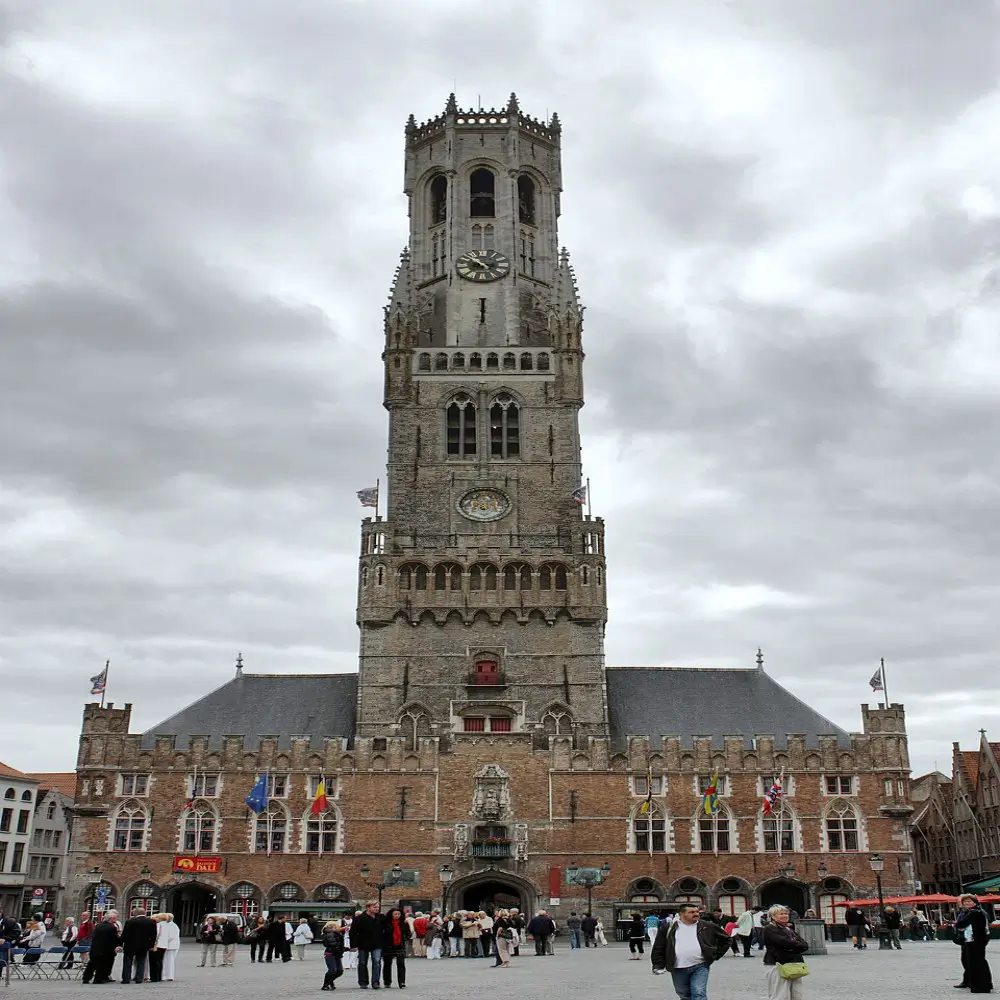
- The Look: It is an 83-meter-tall medieval bell tower that dominates the Market Square. If you look closely, you’ll notice it leans about 87 centimeters to the east.
- The Climb: You can climb 366 steep, narrow steps to the top. Along the way, you can stop at the old treasury (where the city's charters were once locked behind double wrought-iron doors) and see the massive clock mechanism.
- The Sound: The tower houses a world-famous carillon with 47 bronze bells. Every quarter-hour, a giant copper music drum (which looks like a massive music box) triggers a melody that rings across the city.
- The History: Built in several stages starting around 1240, it has survived multiple fires. It originally had a wooden spire that made it even taller (over 100 meters), but after lightning struck it for the third time in 1741, the city decided to leave the top flat as it appears today.
4. Ghent Belfry
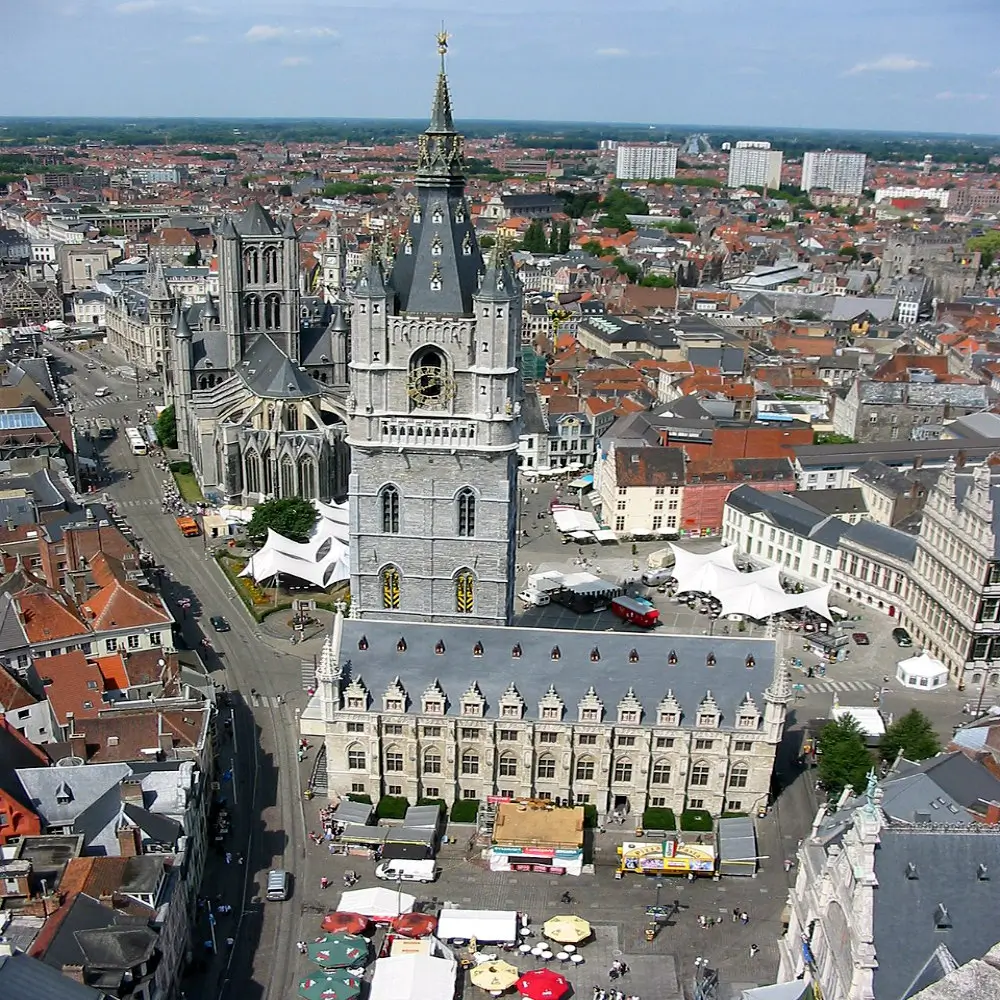
If you are looking for places to visit in Belgium, you can't miss Ghent and this belfry. It is a powerful 14th-century monument and the tallest belfry in Belgium, reaching a height of 91 meters. As a UNESCO World Heritage site, it stands as the middle tower in Ghent's famous “Three Towers” skyline, alongside Saint Bavo's Cathedral and Saint Nicholas' Church.
Climbing the belfry is considered one of the best ways to see the city, providing 360-degree views from the outdoor gallery.
5. Antwerp Belfries
Antwerp actually has two on the list: the tower of the Cathedral of Our Lady (which serves a civic role), and the Antwerp City Hall. They represent the two pillars of medieval city life: the church and the state.
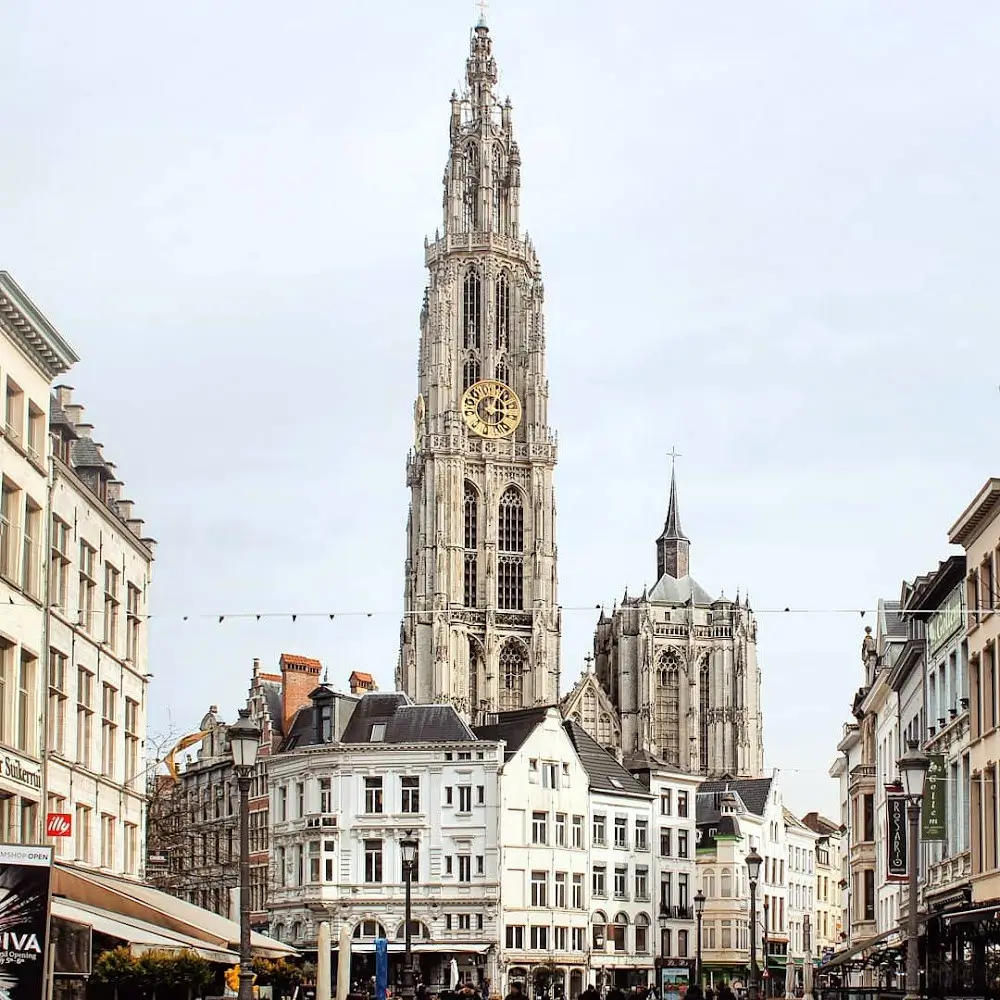
Cathedral of Our Lady is the “official” belfry of Antwerp. A 123-meter Gothic masterpiece of “stone lacework.” Napoleon once compared its intricate design to Mechlin lace. The “Carolus” Bell: It houses a massive 6.4-ton bell that historically required 16 people to ring.
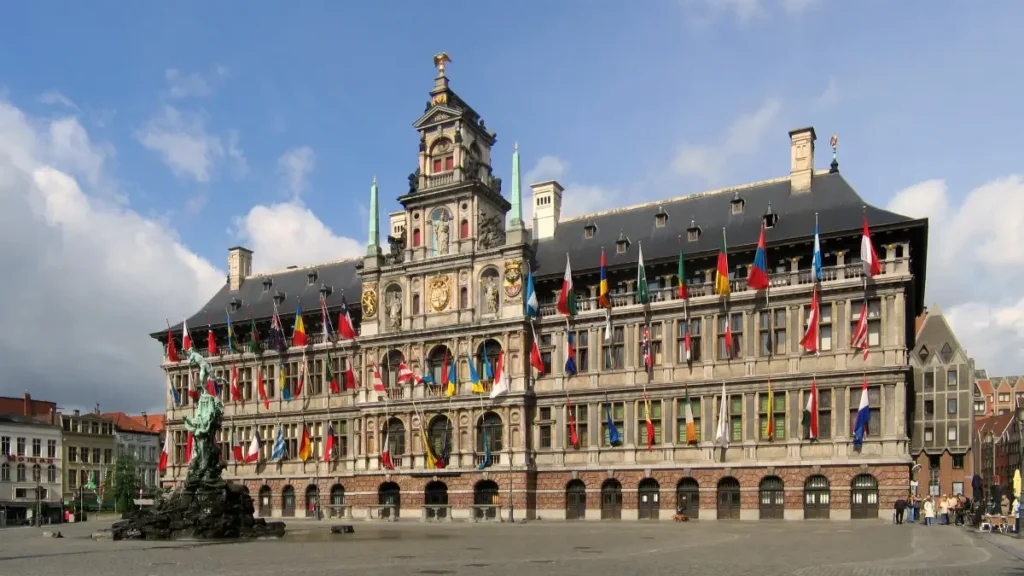
The City Hall (The Secular Belfry). It is included in the UNESCO belfry listing because it is “inextricably linked” to the cathedral tower across the square. The Look: A stunning Renaissance palace built in the 1560s. It was the first of its kind in Northern Europe, moving away from the “Gothic” look toward a style inspired by Italy.
6. Manneken Pis
It is a legendary 17th-century fountain featuring a bronze statue that has become a symbol of the city's unique humor. The Manneken Pis statue is located in the historic center of Brussels. You can find this iconic fountain at the corner of Rue de l'Étuve and Rue du Chêne, just a short walk (about two blocks) southwest of the Grand-Place and the City Hall.
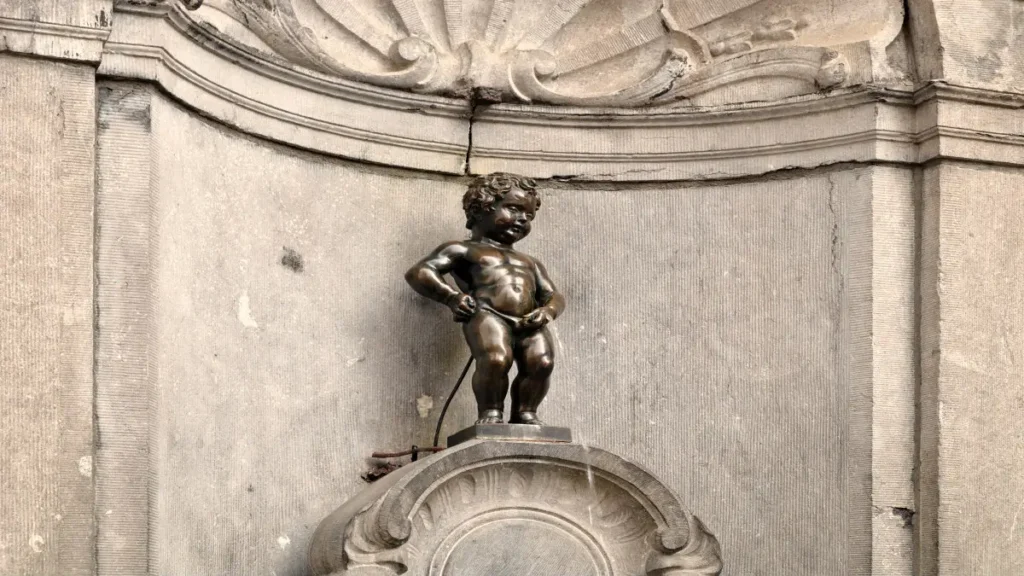
The “Little Pissing Man” is famous for his vast collection of over 1,000 costumes. Many of these are displayed at the GardeRobe MannekenPis, a museum located just a stone's throw from the fountain.
7. Ship Lifts of the Canal du Centre
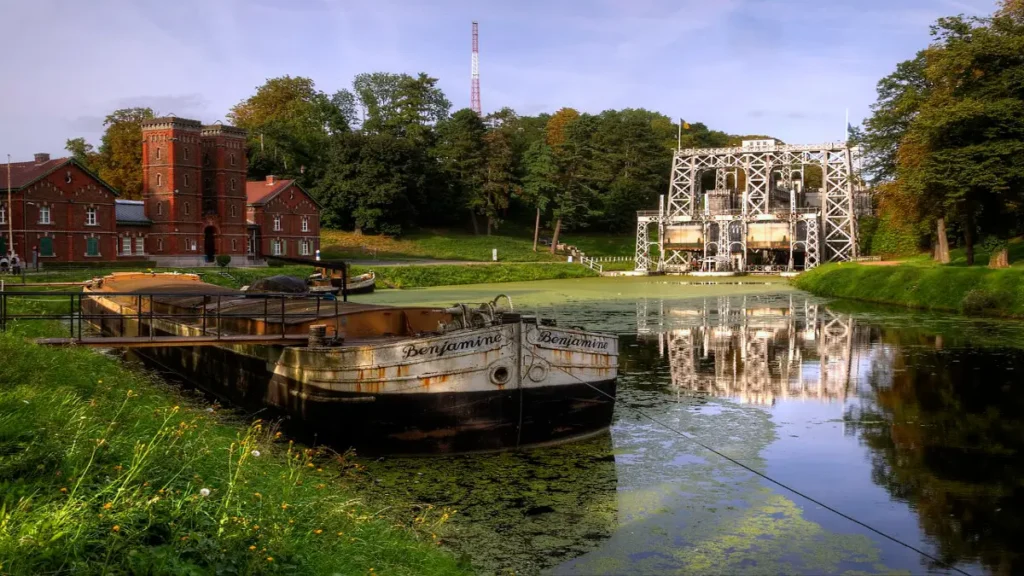
The Ship Lifts of the Canal du Centre are one of Belgium’s most unusual UNESCO sights, showcasing historic hydraulic engineering in a remarkably well-preserved industrial landscape. They are located near La Louvière and are among the last hydraulic boat lifts of their kind still preserved in original working condition.
8. Lion’s Mound, Waterloo
The Lion’s Mound is the most iconic landmark of the Waterloo battlefield, built to commemorate the 1815 battle that changed European history. Climbing to the top gives visitors wide views over the battlefield and the surrounding memorial site.
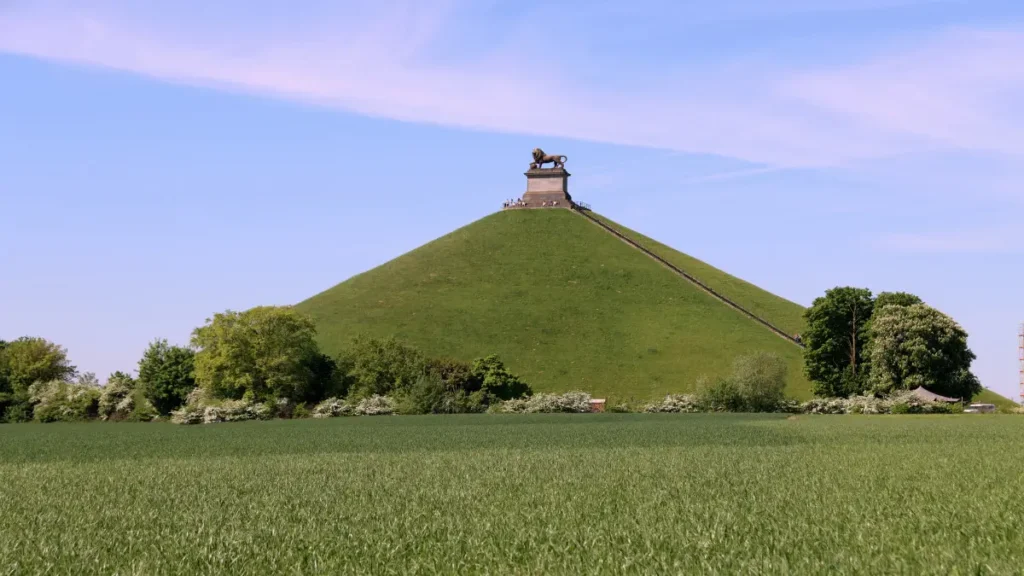
Waterloo is one of Belgium’s most important historic destinations, best known for the famous 1815 battle in which Napoleon was defeated. Today, the site includes the memorial museum, the panorama, Hougoumont Farm, and the Lion’s Mound, making it a major stop for history-focused travelers.
9. Horta Museum
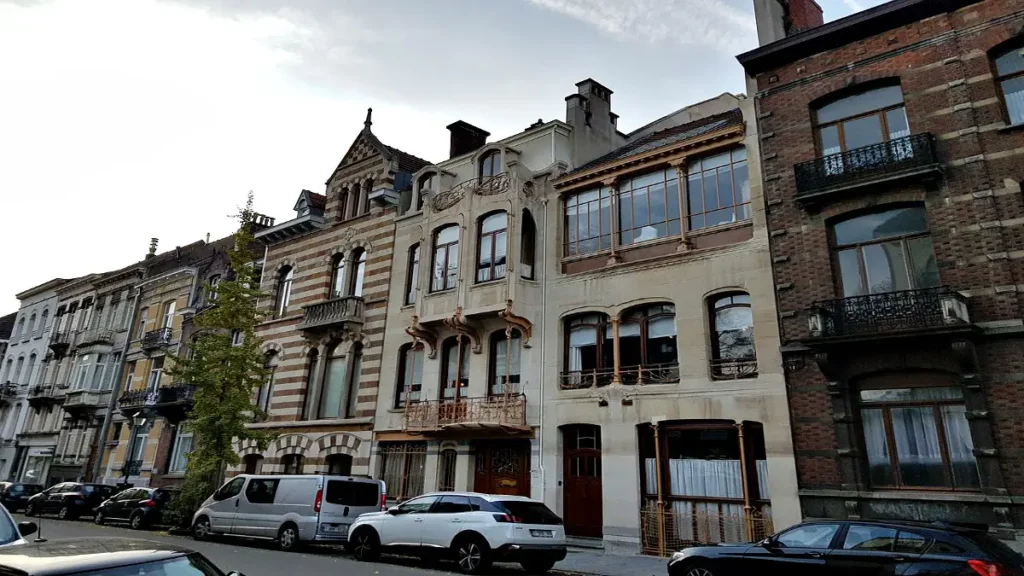
The Horta Museum in Brussels is the former home and studio of Victor Horta, one of the leading figures of Art Nouveau. It is one of the best places in Belgium to experience the elegance, detail, and creativity of Brussels’ Art Nouveau heritage.
10. Cantillon Brewery & Museum
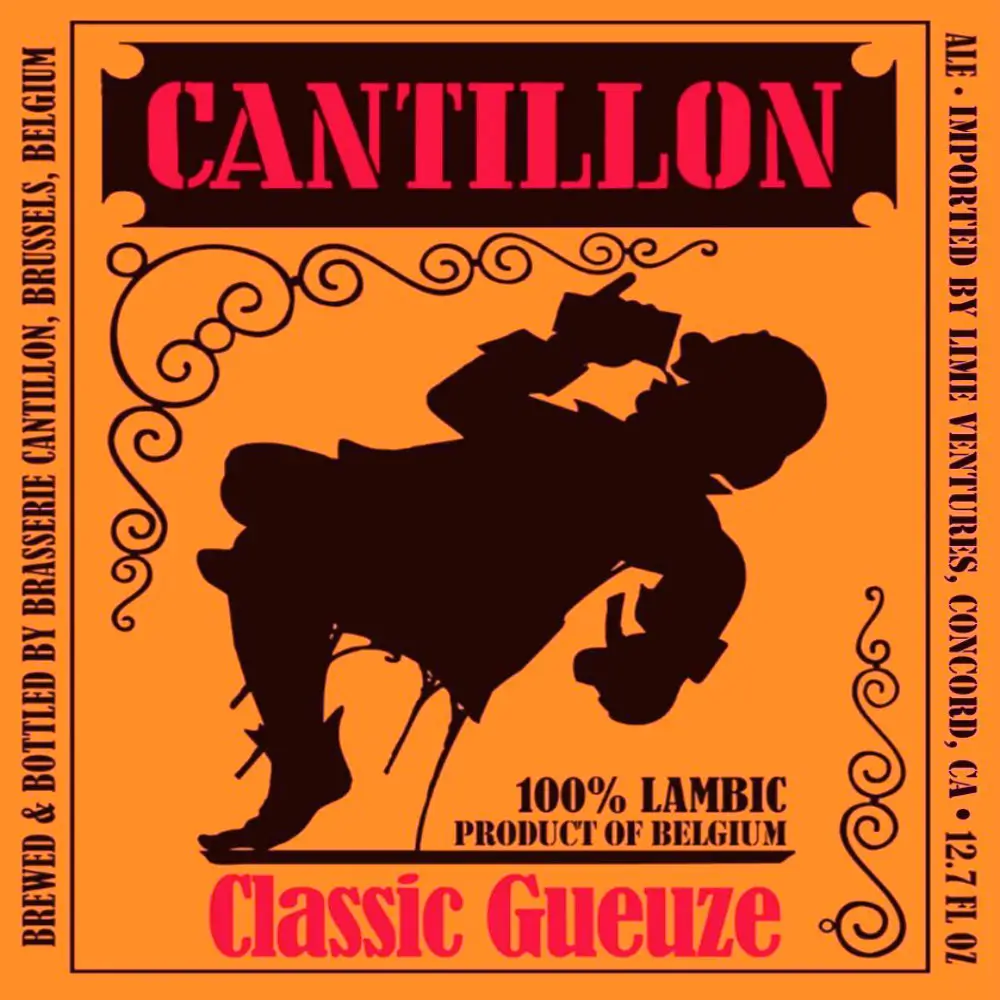
The Cantillon Brewery & Museum is a traditional brewery that has been producing Lambic and Gueuze beers using the same methods since 1900.
- Functions as a “living museum” where visitors can see the brewing equipment in action.
- Tours typically include a tasting of their unique, spontaneously fermented beers.
It is located at Rue Gheude 56, 1070 Anderlecht (Brussels), Belgium. Situated near the Brussels-South (Midi) railway station, it is easily accessible by walking about 5 minutes from the Clemenceau or Lemonnier metro stations.
Belgium Chocolate
Why is chocolate so important in Belgium? Chocolate is important in Belgium because it became part of the country’s identity through a mix of history, craftsmanship, and reputation.
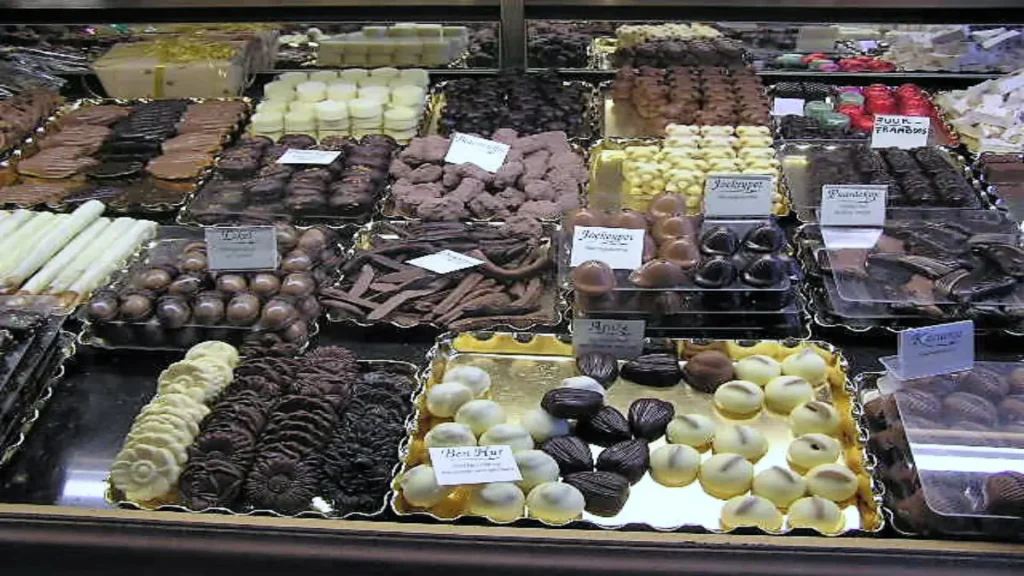
Belgium built a strong tradition of fine chocolate-making in the 19th and 20th centuries, and Belgian chocolatiers became known for using high-quality ingredients and careful production methods. Over time, chocolate stopped being just a sweet product and became one of the country’s best-known cultural symbols, alongside beer, waffles, and fries.
Experience Belgian chocolate in Brussels
Learn more about Belgium’s chocolate heritage and enjoy a tasting during this easy museum visit in Brussels.
Explore the chocolate experienceA few reasons it matters so much:
- Long tradition of craftsmanship
Belgium is famous for artisanal chocolatiers, pralines, and elegant chocolate shops. The focus has often been on quality, filling techniques, texture, and presentation. - Belgian pralines
Belgium is especially linked to the invention and popularity of the praline, which helped make Belgian chocolate internationally distinctive. - National pride and identity
Chocolate is one of the foods people most strongly associate with Belgium. It plays a big role in tourism, gift culture, and the country’s image abroad. - A large number of chocolatiers
Belgium has a very high concentration of chocolate makers and specialty shops, which keeps the tradition visible in daily life and in travel experiences. - Tourism appeal
For visitors, chocolate is not just something to buy. It is part of the travel experience: tasting pralines, visiting chocolate museums, browsing elegant boutiques, and bringing boxes home as souvenirs.
So, in simple terms, chocolate is important in Belgium because the country turned it into an art form, and that reputation became part of Belgian culture and global identity.
Hidden gems in Belgium
Belgium has plenty of famous highlights, but some of its most rewarding places are the ones that sit a little outside the usual first-time itinerary. Alongside major names like Brussels, Bruges, and Ghent, the country also offers smaller historic cities, scenic river towns, nature escapes near the capital, and unusual museums that many visitors overlook.
Enjoy a canal boat cruise from Brussels
See a different side of Belgium with a relaxing canal boat cruise from Brussels, a great way to add scenic views and a slower-paced experience to your trip.
Book the canal boat cruiseThat mix is part of what makes Belgium so easy to explore: you can combine classic sights with places that feel quieter, more local, or simply less expected. Official tourism sources for Flanders, Wallonia, and Brussels all actively promote lesser-known city breaks, heritage spots, and unusual attractions beyond the best-known landmarks.
- Mechelen is one of the best hidden gems in Belgium for travelers who want historic charm without the heavy tourist feel of Bruges. Located between Brussels and Antwerp, it is easy to reach and compact enough for a relaxed day trip or overnight stay. Visit Mechelen and Visit Flanders highlight the city for its historic center, the iconic St. Rumbold’s Cathedral, the Hof van Buscheyden museum, and its attractive setting along the River Dyle. It feels polished and cultural, but still far less talked about than Belgium’s biggest-name cities.
- Leuven is another excellent choice if you want a beautiful Belgian city with a more easy-going rhythm. Official tourism sources describe it through its mix of centuries-old heritage, university history, youthful atmosphere, beer culture, and green spaces. That makes Leuven ideal for readers who want impressive architecture and a lively local atmosphere, but without the pressure of visiting one of the country’s most tourist-heavy destinations. Visit Leuven!
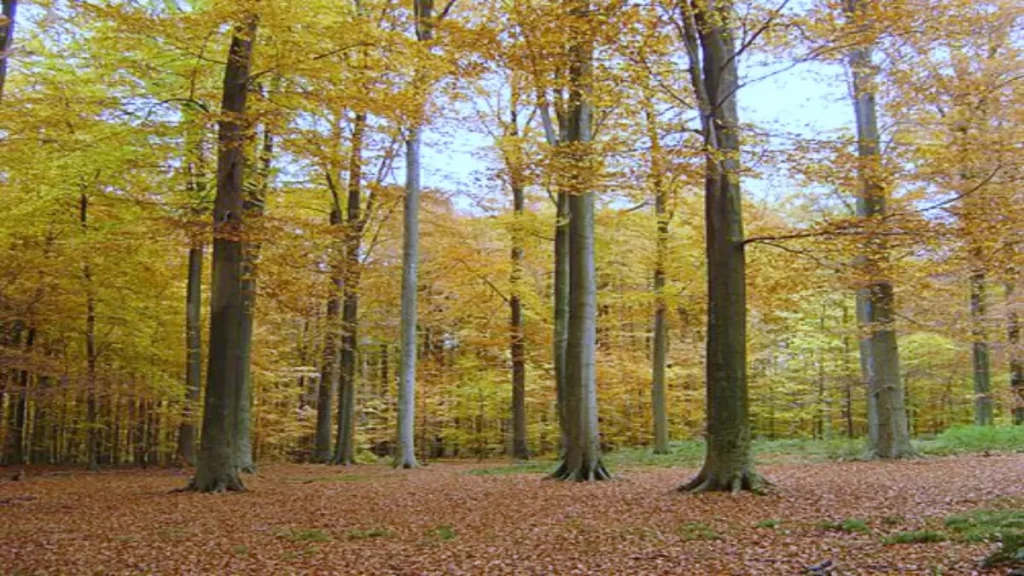
- Sonian Forest is one of the best hidden gem additions for travelers spending time in Brussels. Instead of another museum or city square, it offers a quieter, nature-based side of Belgium close to the capital. Visit Flanders highlights the Sonian Forest as part of Flanders’ UNESCO story, noting that five forest reserves in this ancient beech forest have been recognized by UNESCO. That gives the forest a rare combination of natural beauty, heritage value, and easy accessibility from Brussels.
- Dinant is not exactly a secret, but it still feels like a hidden gem compared with Belgium’s better-known canal cities. Tourism sources in Wallonia describe it as a picture-postcard town dramatically set between the Meuse River and the cliffs, with the Citadel and the onion-domed collegiate church creating one of the most striking views in the country. For travelers who want scenery, river views, and a destination that feels a little more unexpected, Dinant is one of the most memorable places to add to a Belgium itinerary.
- Unusual Brussels museums and lesser-known sights also deserve a place in any hidden gems section. Brussels tourism specifically promotes “hidden treasures” in the city, including lesser-known places that many visitors miss completely. One of the most unusual examples is the Sewer Museum, which explores the underground history, engineering, and water systems of Brussels. It is exactly the kind of attraction that helps show a different side of the capital beyond the Grand-Place, Atomium, and the usual museum list. Visit Brussels hidden treasures!
Places to visit in Belgium – Best Belgium itinerary ideas
- 3 days in Belgium
Brussels + Bruges - 4 days in Belgium
Brussels + Bruges + Ghent - 5 days in Belgium
Brussels + Bruges + Ghent + Antwerp - Belgium, with a hidden-gem twist
Brussels + Mechelen + Leuven or Dinant
Best time to visit Belgium
Spring and early autumn are easiest for city walking and day trips. Summer works well for canals, café terraces, and longer sightseeing days, while winter is best if your audience likes Christmas markets and cozy city breaks. This seasonal framing fits the country’s city-focused and heritage-focused travel appeal presented by official tourism boards.