Getting around Europe without a car
Complete Guide to Traveling Europe Without a Car.
Traveling Europe Without a Car – Car-Free 3–5 Day Itineraries
Table of Contents
Have you ever thought about travelling Europe without a car? Exploring Europe doesn’t have to mean renting a car. Thanks to excellent train networks, reliable long-distance buses, and convenient ferries, it’s easy to enjoy a car-free trip that’s stress-free and eco-friendly.
Whether you’re planning a weekend in the Baltics, a city-hopping adventure in Central Europe, or a seaside escape in the Mediterranean, our 3–5 day itineraries show you exactly how to get around without driving.
From high-speed trains that link capitals in just a few hours to scenic bus rides through rural landscapes, this guide will help you plan smarter, spend less, and see more — all while leaving the car behind.
Why Traveling Europe Without a Car?
🌍 Eco-Friendly and Sustainable Travel Choice
Europe has one of the world’s most advanced public transport networks, and choosing trains, buses, or ferries instead of driving significantly reduces your carbon footprint. Rail and long-distance buses are far more energy-efficient than cars, and many European countries are expanding green initiatives — from electric trams to renewable-powered trains. For eco-conscious travelers, car-free itineraries are the simplest way to travel responsibly.
💶 Saves Money on Fuel, Tolls, and Parking
Renting a car in Europe may seem convenient, but the hidden costs add up quickly: fuel prices are high, highways often have tolls, and city-center parking can be both scarce and expensive. By relying on trains and buses, you can budget more effectively and spend your money on experiences rather than logistics. For shorter trips of 3–5 days, public transport almost always works out cheaper.
😌 Less Stress with Navigation and Local Driving Rules
Driving in a foreign country can be stressful — from unfamiliar traffic signs to city congestion and strict speed cameras. In many European capitals, cars are restricted or banned in historic centers altogether. Choosing trains and buses lets you relax, enjoy the scenery, and avoid the stress of navigating narrow streets or dealing with different driving regulations.
🏙 Easy Access to Cities and Hidden Gems via Public Transport
European public transport is designed for both locals and visitors. High-speed rail links major capitals in a matter of hours, while regional trains and buses connect smaller towns, castles, and nature parks that would otherwise be difficult to reach. From Riga to Sigulda, Tallinn to Tartu, or Athens to the Greek islands, public transport opens the door to both iconic sights and off-the-beaten-path gems — without the need for a car.
Traveling Europe by Train
High-Speed Rail Connections
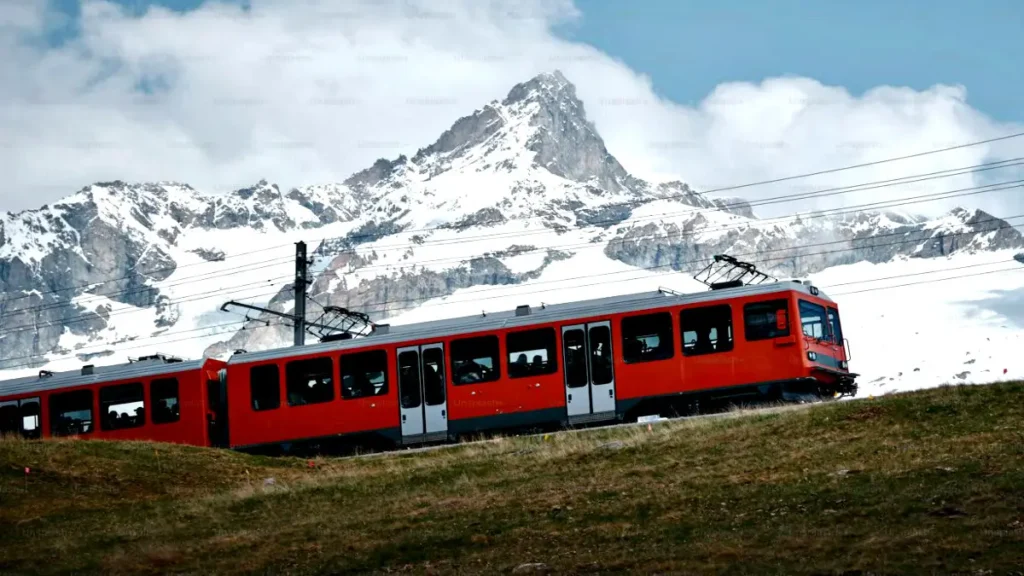
Europe’s high-speed trains make it possible to cover long distances quickly and comfortably, without the hassle of airports or rental cars. Routes such as Paris–Amsterdam, Berlin–Prague, or Vienna–Budapest can be done in just a few hours, often city center to city center. Most high-speed trains offer reserved seating, Wi-Fi, and onboard cafés, making them ideal for 3–5 day trips where you don’t want to waste time in transit.
Scenic Train Routes
Not every train ride has to be about speed — some are about the journey itself. The Swiss Alps routes (like the Glacier Express) wind past snow-capped peaks and lakes, while trains in the Balkans reveal dramatic gorges and rural landscapes. Along the Baltic coastlines, routes between Riga, Tallinn, and Vilnius offer views of pine forests, small fishing towns, and sandy shores. These slower scenic lines are perfect for travelers who want the train ride to be part of the experience.
How to Book Tickets
When you decide travelling Europe without a car, there are several ways to book European train tickets, depending on your style of travel:
- Rail Europe – great for planning international routes and comparing options in one place.
- Eurail – the flexible pass covering 33 countries, perfect for multi-destination trips without fixed schedules.
- Omio – a user-friendly app that combines trains, buses, and flights, with mobile tickets.
- National train sites – such as Deutsche Bahn (Germany), ÖBB (Austria), SNCF (France), or PKP (Poland) often offer the lowest fares when booked directly.
When travelling Europe without a car, booking the train in advance usually means cheaper prices, especially on high-speed routes, while regional trains are often flexible and can be boarded with a same-day ticket.
Long-Distance Buses in Europe
Reliable Bus Networks
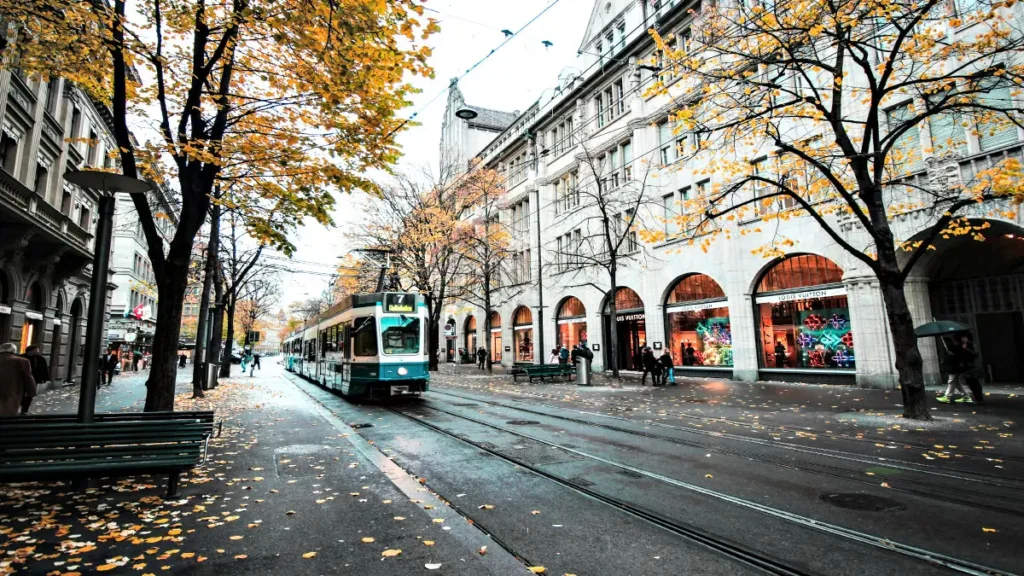
Buses are excellent alternative when traveling Europe without a car. Europe’s bus system is extensive, affordable, and increasingly comfortable, making it a strong alternative to trains for car-free travelers. Companies like FlixBus, Eurolines, and the Lux Express network in the Baltics connect hundreds of cities across borders, often reaching towns where rail lines don’t go. For 3–5 day itineraries, buses are a practical way to combine major capitals with off-the-beaten-path destinations.
Budget-Friendly and Flexible
When traveling Europe without a car, buses are generally cheaper than trains, especially for last-minute bookings. Routes such as Riga–Tallinn, Warsaw–Vilnius, or Prague–Budapest can often cost less than €20 if booked early. Overnight buses are another way to save on accommodation while maximizing sightseeing time — popular for longer distances like Berlin–Amsterdam or Paris–Munich.
Comfort and Amenities
Modern long-distance buses are far from basic. Most offer reserved seating, free Wi-Fi, power outlets, and onboard toilets. All these services make your traveling Europe without a car, more safe and more comfortable. Some premium services even provide extra legroom, snack service, and entertainment screens. Unlike car travel, you don’t need to worry about parking or tolls, and luggage allowances are usually generous.
Ferries and Boats in Europe
When Ferries Are the Best Option
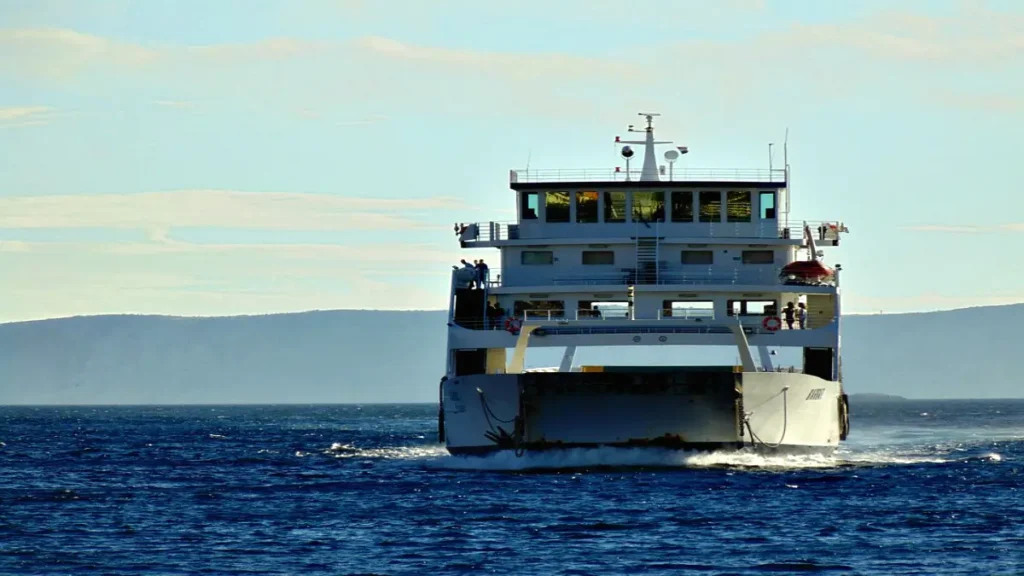
For many car-free travelers, ferries provide the most practical and scenic way to cross borders or explore islands. In the Baltic Sea, the popular Tallinn–Helsinki route is served by multiple daily ferries, making it easy to combine Estonia and Finland in a single trip. In the Mediterranean, ferries are essential for reaching the Greek islands, Sardinia, Corsica, or Malta. Across the Adriatic, ferries connect Italy and Croatia, linking Venice with Dubrovnik, Split, and other coastal towns.
Traveling Europe without a car – Combining Ferry + Train
A big advantage of Europe’s transport system is how well ferries integrate with rail and bus. For example, you can take the ferry from Stockholm to Riga, then continue by train to explore Gauja National Park. In Greece, many ferries are timed with train or bus arrivals from Athens, making island-hopping smooth and convenient.
Traveling Europe without a car – Scenic and Relaxed Travel
Unlike flights or long road trips, ferries offer space to move around, restaurants onboard, and open decks with sea views. Night ferries are especially useful for saving on accommodation while covering long distances — you sleep onboard and wake up in a new destination.
How to Book Tickets
- Direct Ferries – the largest booking platform for ferries across Europe.
- Tallink Silja Line – ferries in the Baltic Sea, including Tallinn–Helsinki.
- Blue Star Ferries – major Greek island routes.
- Jadrolinija – Croatia’s national ferry company, serving Adriatic routes.
Practical Tips for traveling Europe without a car
Use the Right Apps
Traveling Europe without a car is much easier with a few essential apps. Omio compares trains, buses, and flights across countries with mobile tickets. Rome2Rio is ideal for checking connections between smaller towns and cities. National apps like Deutsche Bahn Navigator (Germany), SNCF Connect (France), or PKP Intercity (Poland) are great for local timetables. For ferries, Direct Ferries consolidates routes across Europe.
Book Tickets in Advance — But Stay Flexible
For traveling Europe without a car, early booking usually means cheaper fares, with savings of up to 50%. Long-distance buses also reward early buyers, while ferries sometimes have seasonal promotions. On the other hand, regional trains are often fixed-price and flexible, so you can hop on without pre-booking. A mix of advance tickets and flexible passes (like Eurail) works best for 3–5 day trips.
Pack Light for Easy Transfers
Without a car, you’ll carry your luggage more often — through train stations, onto buses, or along cobblestone streets. Aim for a light suitcase or backpack that’s easy to handle. Many train and bus stations in Europe also offer luggage storage lockers, letting you explore without carrying everything. Follow our advices about smart packing for a 3–5 day trip.
Accessibility and Comfort
European transport is generally well-equipped for travelers with mobility needs. Most new trains and long-distance buses have wheelchair access, priority seating, and accessible toilets. Ferries often have elevators and adapted cabins. If accessibility is a concern, check operator websites in advance for specific details.