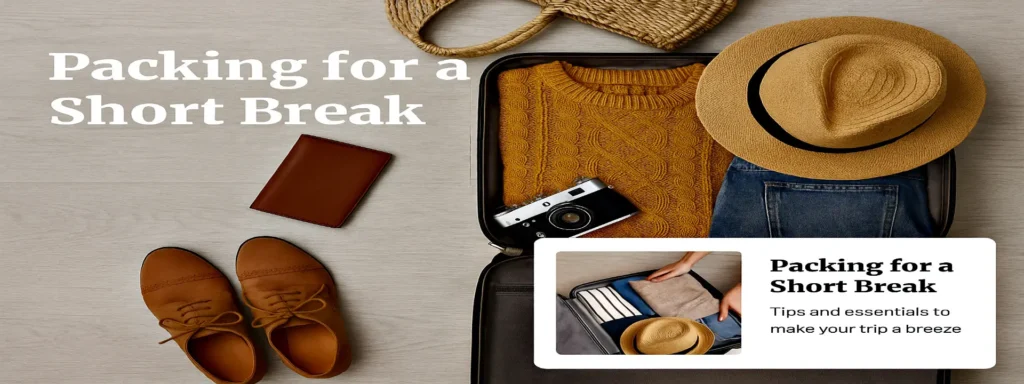
Packing for a 3–5 day trip to Europe can feel like a challenge — how do you bring everything you need without overloading your bag? The secret is smart packing: choosing versatile clothes, travel-size essentials, and the right luggage to make your journey stress-free. Whether you’re heading on a weekend city break, a countryside escape, or a cultural getaway, traveling light will save you time, money, and energy.
In this guide, we’ll show you exactly what to pack for a short trip in Europe, from must-have items to seasonal essentials and clever packing hacks. With our checklist and tips, you’ll be ready to enjoy your adventure without worrying about heavy bags or forgotten items.
Why Packing Right Matters for Short Trips
Packing light isn’t just about fitting everything into a smaller bag — it can completely transform your travel experience. Here’s why it matters on a 3–5 day trip:
- Avoid overpacking – Bringing too many clothes or “just in case” items quickly makes your bag heavy and difficult to manage. By focusing on versatile pieces and essentials only, you’ll reduce clutter and travel with confidence, knowing you have exactly what you need.
- Save time and money (no checked baggage fees) – When you travel with just a carry-on, you skip long baggage drop-off lines and avoid the risk of lost luggage. Even better, most airlines charge extra for checked bags — so traveling light keeps more money in your pocket for experiences, food, or souvenirs.
- Easier mobility (trains, buses, walking with luggage) – A smaller, lighter bag makes it much easier to move around Europe. Whether you’re hopping on a train, catching a bus, or walking through cobblestone streets, you’ll appreciate the freedom of traveling without dragging heavy luggage behind you.
- For more strategies to simplify your bag, check out these expert packing tips from PackHacker.
The Perfect Luggage for 3–5 Days
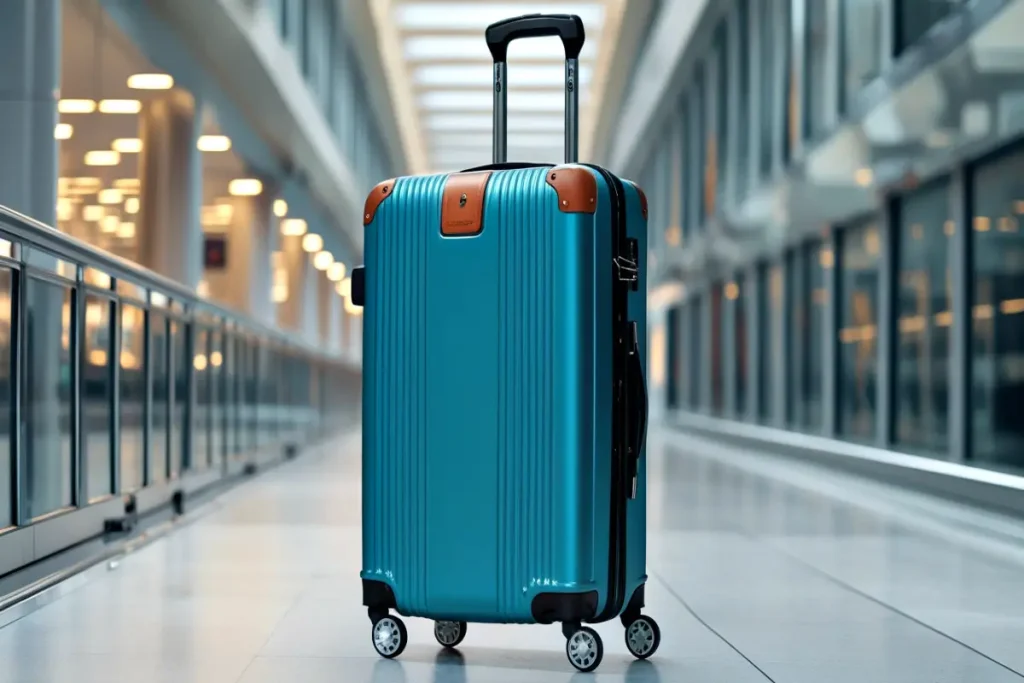
Choosing the right luggage is the first step toward stress-free travel. For a short European trip, your bag should be light, versatile, and easy to carry across different types of transport. Here’s what to consider:
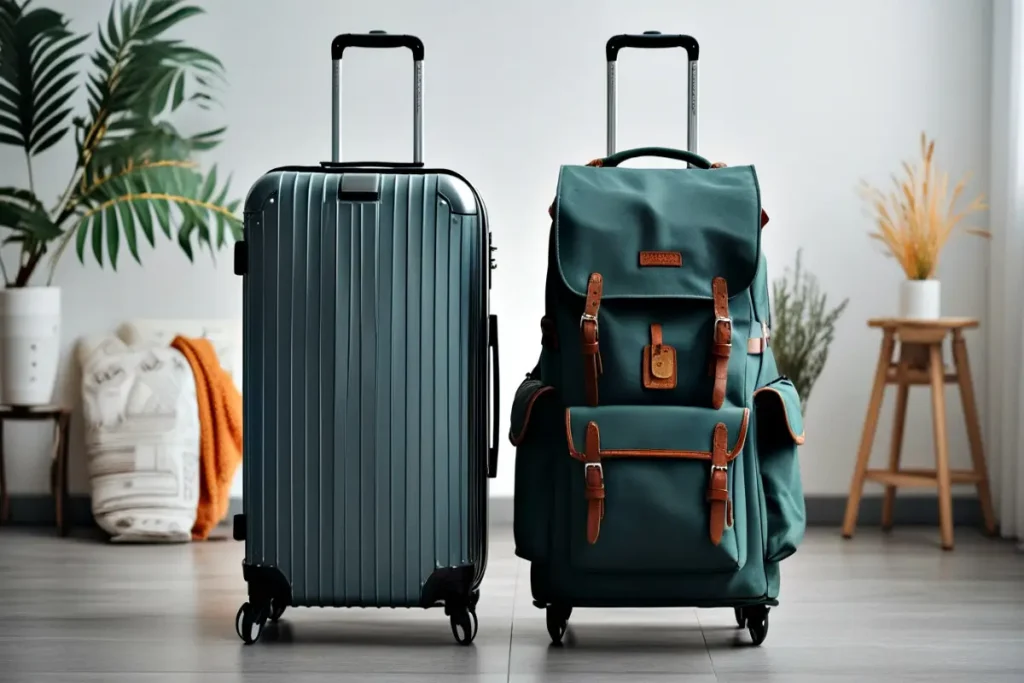
- Carry-on suitcase vs backpack – A compact carry-on suitcase with wheels is ideal if you prefer organized packing and smooth movement through airports or train stations. A travel backpack, on the other hand, offers flexibility and is easier to manage on uneven streets or stairs. Your choice depends on your travel style and comfort.
- Best size and weight – Aim for a bag that fits airline carry-on requirements — typically 40–45 liters or around 55 × 40 × 20 cm. Keeping the weight under 8–10 kg ensures you won’t struggle to lift it into overhead bins or carry it for long distances.
- Personal item options – Besides your main carry-on, you’re usually allowed a personal item such as a small backpack, tote bag, or laptop bag. This is perfect for keeping essentials like documents, electronics, and snacks within easy reach during your journey.
- Need inspiration for minimalist packing? Nomadic Matt shares what he packs for his travels.
Essential Packing Checklist
A short European trip doesn’t require a huge suitcase — just the right essentials to keep you comfortable and prepared. Here’s what to focus on when packing for 3–5 days:
- Clothing (layering, mix-and-match outfits) – Instead of packing a different outfit for each day, choose versatile pieces you can wear in multiple combinations. Neutral tops, one or two bottoms, and a light jacket or sweater are usually enough. Layers are key in Europe, where the weather can change quickly, and a scarf or cardigan can easily dress up a casual outfit.
- Toiletries (travel bottles, essentials only) – Avoid carrying full-size bottles. Instead, transfer shampoo, conditioner, or body wash into small travel bottles, or buy mini versions. Stick to essentials — toothbrush, toothpaste, deodorant, and any daily skincare or medication. Most hotels and rentals supply basics like soap, so there’s no need to overpack.
- Electronics (phone, charger, power bank, adapter) – Your phone is your map, camera, and travel guide — don’t risk a dead battery. Always carry a charger and a power bank for long days of exploring. If you’re coming from outside Europe, a universal adapter is a must to keep everything powered. Earbuds or headphones also make train and flight journeys more enjoyable.
- Travel documents (passport, insurance, tickets) – Keep all important documents together in one secure spot, such as a travel wallet or a zipped pouch. This should include your passport or ID, boarding passes, hotel confirmations, and travel insurance details. Having everything organized in one place saves time and stress when moving between airports, stations, and hotels.
- For even more checklist ideas, here’s a roundup of 25 expert packing tips .
Packing for the Season in Europe
What you bring in your bag will also depend on the time of year and the region of Europe you’re visiting. A 3–5 day trip means you don’t need much, but being season-smart ensures comfort wherever you go.
- Summer: light clothes, sunscreen, hat – European summers can be warm, especially in Southern countries like Italy, Spain, or Greece. Pack lightweight clothing such as cotton shirts, shorts, or dresses that allow airflow. A sun hat and sunglasses will protect you during long walks or sightseeing. Don’t forget sunscreen — it’s essential if you’ll be outside most of the day. A light scarf or cover-up is also useful for visiting churches or air-conditioned spaces.
- Winter: layers, compact jacket, gloves – Winters vary across Europe, but generally you’ll need to keep warm without overstuffing your bag. Opt for layering — T-shirts, sweaters, and a warm, compact jacket you can easily fold away. A pair of gloves, a hat, and a scarf are small but vital for staying comfortable. If you’re visiting cities with frequent snow or rain, waterproof shoes will keep your feet dry without taking up too much space.
- Spring/Fall: raincoat, versatile shoes – The shoulder seasons can be unpredictable, with chilly mornings, mild afternoons, and occasional showers. A light raincoat or windbreaker is perfect for these conditions. Choose versatile shoes that work for both sightseeing and casual evenings out — think comfortable sneakers or slip-ons that can handle wet streets. Adding one or two layers like a sweater or cardigan will keep you flexible for changing weather.
Common Mistakes to Avoid
Even experienced travelers sometimes pack more than they need or forget the small essentials that make a trip smoother. By being aware of the most common mistakes, you can avoid stress and keep your 3–5 day adventure simple and efficient.
- Overpacking “just in case” items – It’s tempting to bring extra outfits, multiple books, or things you might use “just in case.” The reality is that most of these items will stay in your bag and only add unnecessary weight. Instead, focus on versatile clothing and essentials. Remember: if you truly need something, you can usually buy it at your destination.
- Forgetting adapters/chargers – Few things are more frustrating than arriving at your hotel only to realize your phone charger doesn’t fit the outlets. In Europe, plug types can vary, so a universal adapter is essential. Always double-check that you’ve packed chargers for your phone, camera, and other devices, along with a power bank for long travel days.
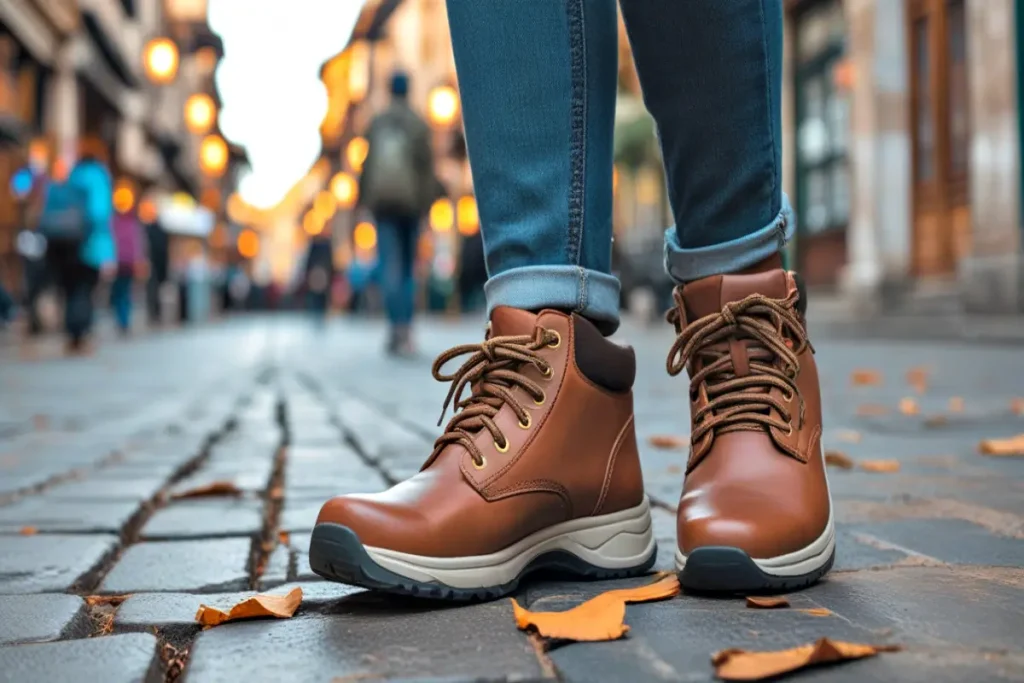
- Packing too many shoes – Shoes take up the most space in your luggage, and yet most travelers wear the same pair most of the time. For a 3–5 day trip, limit yourself to one pair of comfortable walking shoes and, if needed, one lighter option for evenings. This saves space and keeps your bag easy to carry without sacrificing style or comfort.
Quick Packing Checklist Download
Want a ready-to-use list that takes the stress out of packing? Our Quick Packing Checklist is designed for 3–5 day trips in Europe, covering clothing, toiletries, electronics, travel documents, and handy extras. Instead of worrying about what to bring, just follow the checklist and enjoy peace of mind knowing you haven’t forgotten anything.
This PDF is simple, printable, and perfect to keep on hand while preparing your bag — or to check items off as you go. Whether you’re traveling with a carry-on suitcase or a backpack, the checklist will help you stay organized, pack light, and avoid last-minute panic.
Ready for your trip? Use our packing checklist to travel light and stress-free — and discover Europe’s hidden gems in just 3–5 days!