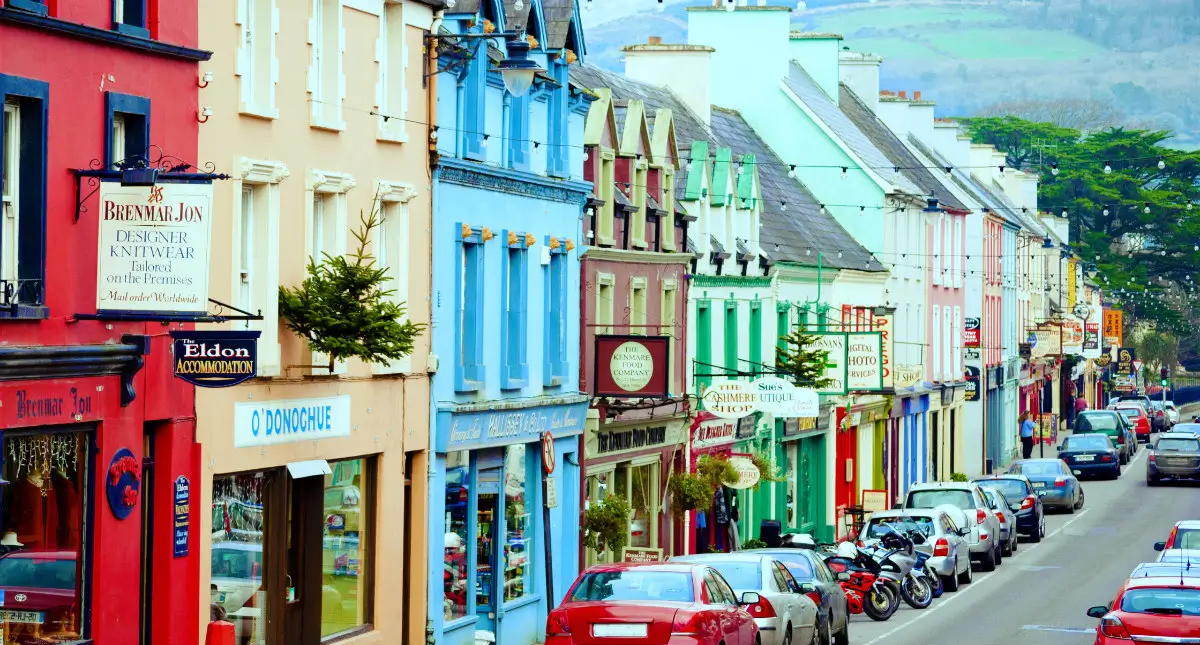
Ireland off the beaten path itinerary, with its verdant landscapes, dramatic coastlines, and rich history, is a perennial favourite for travellers. While iconic spots like the Cliffs of Moher and the bustling streets of Dublin draw countless visitors, the Emerald Isle holds a treasure trove of lesser-known destinations waiting to be explored.
For those seeking authentic experiences away from the crowds, these six off-the-beaten-path locations offer unique charm, breathtaking beauty, and a true taste of Ireland's wild heart.
This page contains affiliate links. If you book through them, I may earn a small commission at no extra cost to you.
Ireland Off the Beaten Path Itinerary Map
For more information visit these useful website to help you plan your trip more easily:
- Wild Atlantic Way – Official Site – Route planner, maps, and highlights for Ireland’s west coast—perfect context for Donegal, Mayo, Sligo, West Cork, and quiet peninsulas like Beara and Sheep’s Head.
- Irish Rail – Journey Planner – Check timetables and fares to hubs like Sligo, Westport, Cork, and Killarney—ideal for building car-free segments of your off-the-beaten-path itinerary.
- Hook Lighthouse – Official Site – Visitor info, opening times, and history for one of the world’s oldest operating lighthouses—your launch point for a low-key day on the Hook Peninsula.
Discovering 6 Ireland Off the Beaten Path Itinerary
1. Slieve League Cliffs (Co. Donegal)
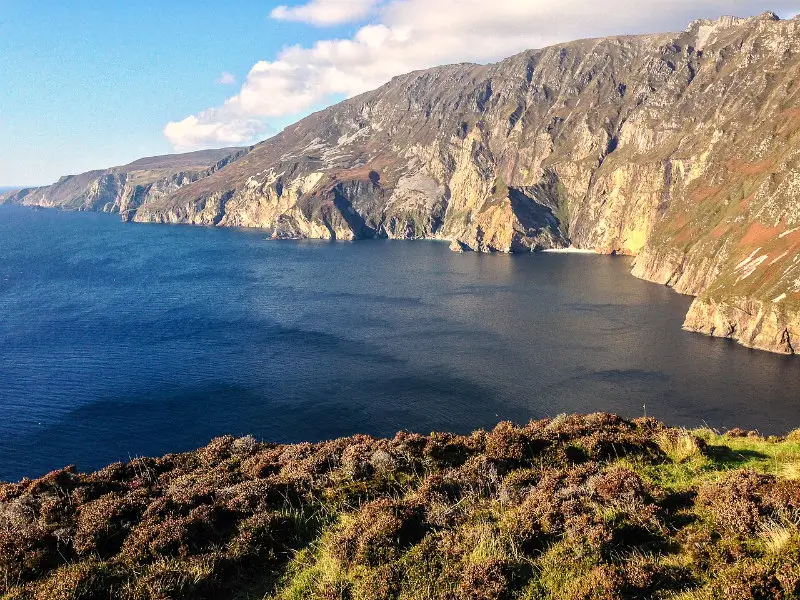
Often eclipsed by their more famous counterparts, the Slieve League Cliffs in County Donegal are a spectacle of nature on a grander scale. It's one of Donegal hidden gems. Towering nearly three times higher than the Cliffs of Moher, these majestic sea cliffs plunge dramatically into the Atlantic, offering unparalleled, raw vistas.
What makes them truly special Ireland off the beaten itinerary, is their untamed feel; visitors can hike along rugged paths, including the exhilarating “One Man's Pass,” or simply soak in the panoramic views without the throngs of tourists. It's a place where the power of nature is palpable and the scale truly humbling.
Why go:
Some of Europe’s highest accessible sea cliffs (up to 600m), wilder and quieter than the Cliffs of Moher. Start at the Slieve League Visitor Centre, then walk from Bunglass car park to the viewpoints or along One Man’s Path (only in good weather).
How to get there:
- Train: No rail in Donegal. Nearest mainline stations: Sligo (from Dublin) or Derry/Londonderry (from Belfast).
- Bus: From Donegal Town or Killybegs to Carrick/Teelin (Bus Éireann + Local Link combinations). Services are limited—check timetables and consider a taxi for the last leg.
- Car: Easiest option. From Donegal Town via N56 → R263 (1h). Narrow lanes near Bunglass; go early or late for parking.
Where to stay (bases):
- Killybegs (harbor town, seafood), Carrick/Teelin (closest to trailheads, B&Bs), or Donegal Town (more dining).
- Look for small B&Bs/guesthouses; for a boutique feel, search around Killybegs or on Fintra Bay.
2. Ring of Beara (Cos. Cork & Kerry)
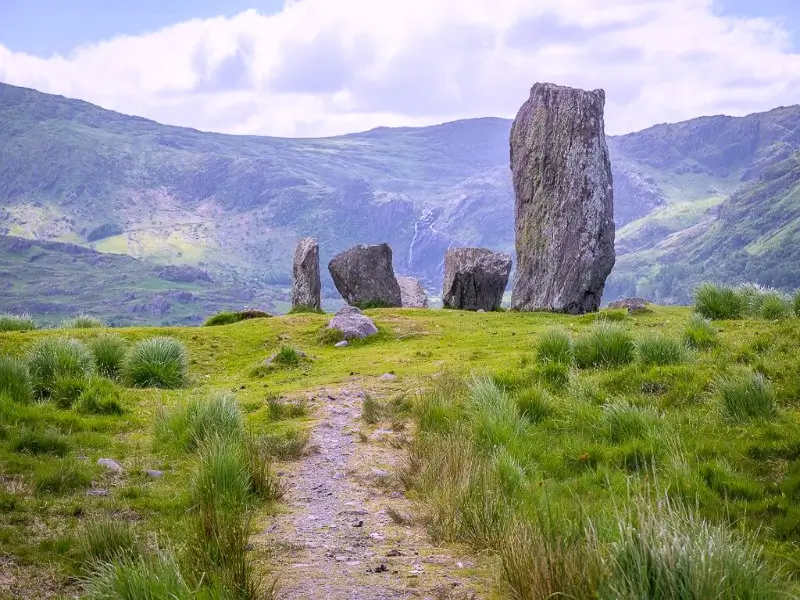
Nestled south of the well-trodden Ring of Kerry, the Beara Peninsula itinerary offers a more intimate and rugged coastal driving experience. This scenic loop winds through charming, brightly painted villages like Allihies, past ancient ruins, and along breathtaking stretches of coastline.
Its allure lies in its quiet authenticity; fewer tour buses mean narrower roads and a more immersive connection with the landscape. A highlight is Ireland's only cable car, whisking passengers across the water to Dursey Island, offering unique views and a true sense of escape.
Why go:
Ireland’s most under-the-radar peninsula loop—coast roads, Healy Pass switchbacks, colorful villages (Eyeries, Allihies), and island hops to Bere Island. One of the most interesting Ireland off the beaten path itineray.
How to get there:
- Train: To Killarney (from Dublin/Cork) or Cork City.
- Bus: From Killarney → Kenmare and from Cork → Bantry/Glengarriff/Kenmare (Bus Éireann). Local Link helps within the peninsula but schedules are sparse.
- Car: Ideal. Start in Kenmare or Glengarriff and loop counter-clockwise for cliff-side views. Allow a full day (or two with stops).
Where to stay:
- Kenmare (walkable, lots of food), Glengarriff (for Garnish Island), Castletownbere (working port, ferries to Bere).
- Mix of boutique guesthouses, classic inns, and coastal self-catering cottages.
3. The Caves of Keash, County Sligo
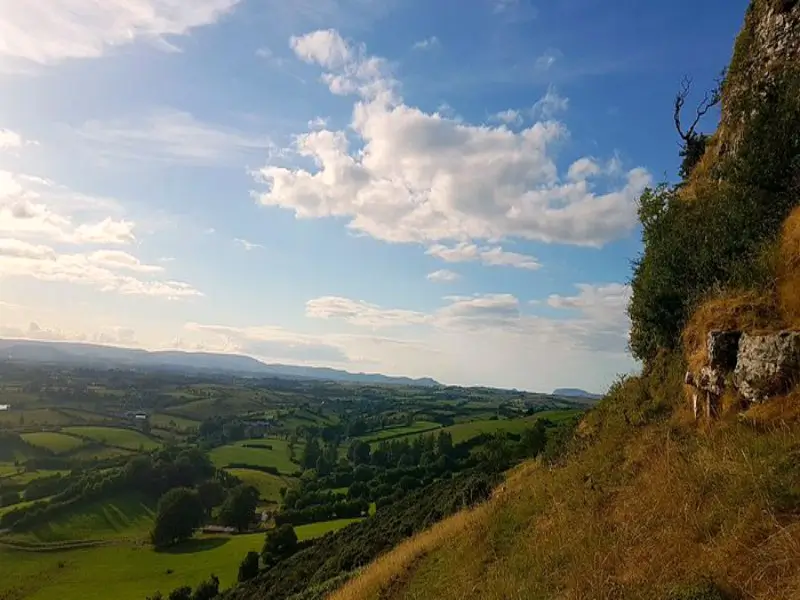
For history buffs and adventure seekers, the Slego & Yeats county hidden gems are a captivating discovery. Carved into the side of Keashcorran Hill, these ancient limestone caves are steeped in Irish mythology and archaeological significance, having revealed remnants of prehistoric life.
The short, invigorating hike to the caves rewards visitors not only with the chance to explore these intriguing geological formations but also with expansive, uninterrupted views of the stunning Sligo countryside, including the iconic flat-topped mountain, Benbulben. It’s a journey into both Ireland’s natural and mythical past.
Why go:
A dramatic line of limestone caves on Keshcorran Hill with views across lakes and drumlin country; short but steep hike from the signed car park near Keash village.
How to get there:
- Train: To Ballymote (local stop) or Sligo (InterCity from Dublin).
- Bus: Sligo ↔ Ballymote (regular); from Ballymote to Keash is limited—walk (long), cycle, or taxi.
- Car: From Sligo via N4 → R295 → local roads (35–40 min). Trail can be muddy—boots recommended.
Where to stay:
- Sligo Town (restaurants, live music), Ballymote (closest rail village), or Boyle (near Lough Key).
- Choose a Sligo boutique hotel or countryside B&B around Ballymote/Keash for quiet nights.
4. Doolough Valley, County Mayo
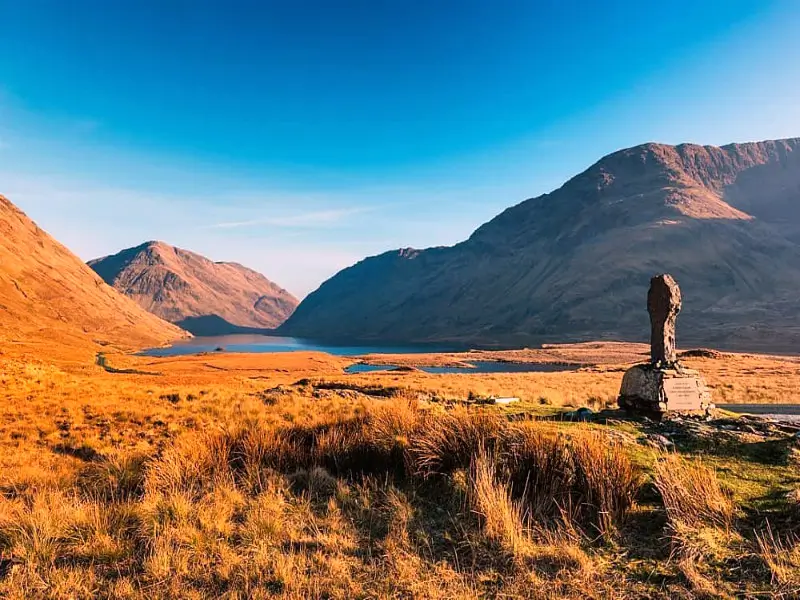
The Doolough Valley in County Mayo is our next Ireland off the beaten path itinerary, a place of stark, haunting beauty and profound historical resonance. This remote valley, often overlooked in favour of nearby Connemara, offers one of Ireland's most dramatic and reflective scenic drives.
Surrounded by towering mountains and tranquil lakes, the landscape is both awe-inspiring and melancholic, especially when considering its poignant connection to the Great Famine. Visiting the Doolough Famine Memorial within this serene wilderness provides a powerful moment of contemplation and a deeper understanding of Ireland's enduring spirit.
Why go:
A stark, beautiful glacial valley between Louisburgh and Leenane on the R335—mirror-still lakes, Mweelrea and Sheeffry Mountains, famine memorial, and easy links to Connemara.
How to get there:
- Train: To Westport (from Dublin).
- Bus: Westport → Louisburgh (regular), then limited services along R335; taxis fill the gap to the valley and Leenane.
- Car: From Westport via R335 (45–60 min). Continue to Killary Fjord and Connemara National Park for a fuller loop.
Where to stay:
- Westport (restaurants, rail, bike greenway), Leenane (for Killary Fjord boating/seaweed baths), or Louisburgh (beaches).
- Country houses/B&Bs are plentiful; in Leenane look for fjord-view rooms.
5. Hook Peninsula, County Wexford
One of less touristy Ireland itinerary is stepping onto the Hook Peninsula in County Wexford. You'll feel like stepping back in time. This southeastern sliver of Ireland boasts a remarkably rich heritage and a captivating coastline, yet it remains wonderfully uncrowded.
Its star attraction is the Hook Lighthouse, reputedly the oldest operational lighthouse in the world, standing sentinel for over 800 years. Beyond the lighthouse, the peninsula offers a wealth of exploration, from the medieval ruins of Tintern Abbey to the famously haunted Loftus Hall, making it a fascinating blend of history, folklore, and coastal charm.
Why go:
Lighthouses, sheltered coves, and early medieval sites. Hook Lighthouse is one of the oldest operational lighthouses in the world; explore Tintern Abbey, small beaches, and fishing villages.
How to get there:
- Train: To Wexford (O’Hanrahan) or Waterford.
- Bus: Wexford/New Ross → Fethard-on-Sea/Hook via Bus Éireann + Local Link (varies by season).
- Car: From Wexford Town via R733 (50–60 min). Roads are easy; parking at the lighthouse and beaches.
Where to stay:
- Wexford Town (good dining, rail), New Ross (central for the estuary), or on-peninsula B&Bs around Fethard-on-Sea for sunrise/sunset at the lighthouse.
- Farm stays and seaside cottages are great picks here.
6. Gougane Barra, County Cork
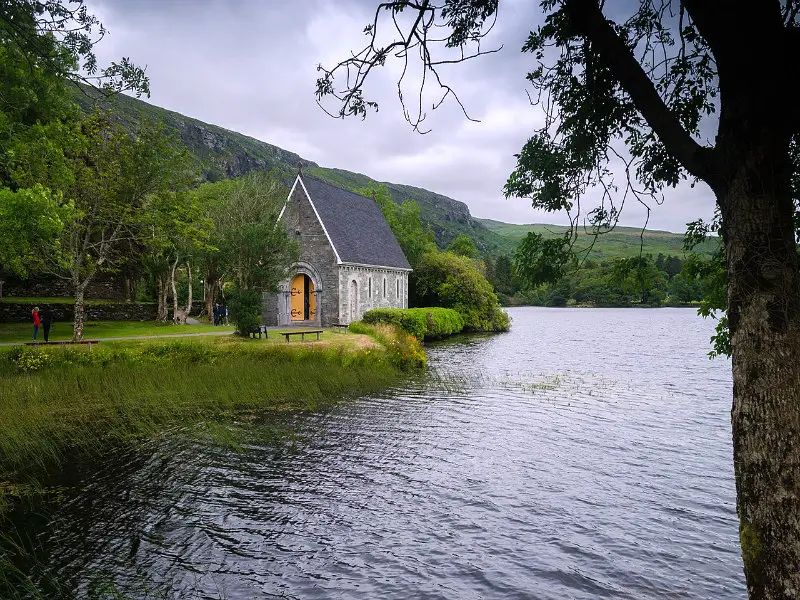
Deep within the rugged mountains of West Cork lies Gougane Barra, a place of unparalleled serenity and natural beauty. This secluded valley is home to a picturesque national forest park and, most notably, a tiny, enchanting island oratory dedicated to St. Finbarr, nestled peacefully in the middle of Gougane Barra Lake.
It's a profoundly tranquil Ireland off the beaten path itinerary spot, ideal for quiet contemplation, gentle hikes through ancient forests, or simply soaking in the profound quietude and stunning mountain reflections. Gougane Barra offers a soulful escape, a perfect antidote to the stresses of modern life.
Why go:
A serene valley lake with St. Finbarr’s Oratory on an islet; nearby Gougane Barra Forest Park offers way-marked trails. It feels like a sanctuary—perfect for slow mornings and golden-hour photos.
How to get there:
- Train: To Cork (Kent) from Dublin/Limerick.
- Bus: Cork → Macroom frequently; onward to Ballingeary/Gougane Barra uses Local Link services (check schedules) or taxi for the last 20–25 km.
- Car: From Cork via N22 → R584 (1h15). Small roads but straightforward; the forest park has paid parking and signed loops.
Where to stay:
- Gougane Barra Hotel (iconic lakeside stay, seasonal), Ballingeary (Gaeltacht village B&Bs), or Macroom (more services, midway to West Cork).
- For a wider loop, base in Kenmare or Bantry and day-trip.
Quick planning Ireland off the beaten path itineray notes
- Car-free works with patience: pair intercity train to regional hub + Bus Éireann/Local Link + short taxi hops. Build slack for rural timetables.
- Best seasons: late April–June & Sept–Oct (lighter crowds, good daylight).
- Safety: Narrow, unfenced roads and fast weather shifts—carry layers, check Met Éireann, and avoid exposed cliff paths in wind/rain.
Ireland off the beaten path itinerary FAQs
Where to go in Ireland off the beaten path?
Try wild coast and small-village bases: Slieve League (Donegal), Inishowen Peninsula, Doolough Valley (Mayo), Achill Island, Caves of Keash (Sligo), Beara & Sheep’s Head (West Cork), Skellig Ring (Kerry), Gougane Barra (Cork), and the Hook Peninsula (Wexford). These deliver cliff walks, quiet passes, and slow-travel vibes without the big-bus crowds.
What is the best 5-day off-the-beaten-path Ireland itinerary?
Two strong options:
1. West & Northwest Loop (car-free friendly):
Day 1–2 Sligo (Caves of Keash, Strandhill), Day 3 Mayo (Doolough Valley, Killary fjord), Day 4–5 Donegal (Slieve League, Killybegs/Ardara). Hubs: Sligo → Westport → Donegal Town.
2. Southwest Peninsulas (best by car):
Day 1 Gougane Barra, Day 2–3 Beara (Healy Pass, Allihies/Bere Island), Day 4 Sheep’s Head (Lighthouse trail), Day 5 Skellig Ring or quiet Dingle backroads. Base in Kenmare/Glengarriff.
Can you visit Ireland without a car?
Yes—plan around rail hubs + regional buses + short taxi hops. Use Irish Rail for long legs (e.g., Dublin ↔ Sligo/Westport/Cork/Killarney), Bus Éireann & Local Link for rural connectors, and book taxis for final miles to trailheads. Travel light, build slack for rural timetables, and cluster sights around each hub.