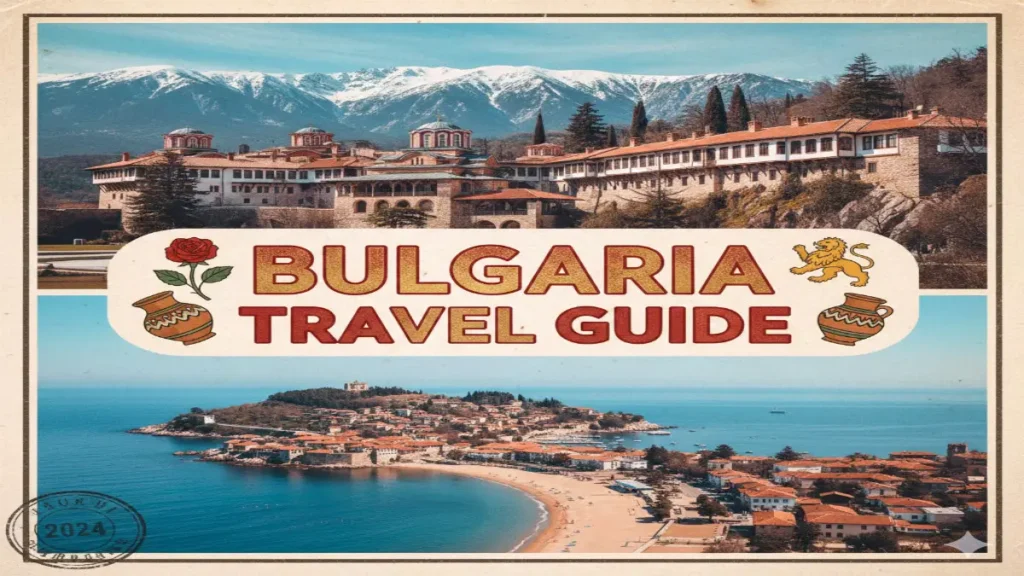
Bulgaria travel guide: this page helps you plan a realistic 3–5 day trip without overstuffing your schedule. Bulgaria is one of those places where you can get a lot in a short time—lively city life, long history, and quick escapes into nature—so the key is choosing one main base (usually Sofia) and, if you have extra days, adding a second stop like Plovdiv or a simple day trip.
Inside this guide, you’ll find easy itineraries (3, 4, and 5 days), where to stay, what’s genuinely worth prioritizing, how to get around (bus/train/tours vs car), and a short safety + scam-avoidance section to keep your trip smooth and low-stress.
Bulgaria Travel Guide in 30 seconds
Bulgaria, as a part of Eastern Europe countries, is a great choice if you want a trip that feels varied without being complicated. In just a few days, you can combine a lively capital city, historic old towns, mountain scenery, monasteries, and (in the right season) a Black Sea stop. It’s one of those destinations where a simple plan works best: pick one main base, add one high-value day trip, and keep the rest flexible.
For most first-time visitors, Bulgaria works especially well for a 3–5 day itinerary because distances are manageable and you can get a lot out of a short trip without rushing every day. Sofia is the easiest starting point, Plovdiv is an excellent second base, and then you can choose your “bonus” depending on your travel style: history, nature, coast, or mountains.
It’s a great fit if you want a trip that feels varied, but still simple to plan.
- Best months for cities + hiking: April–May and September–October (pleasant weather, fewer crowds). Best time to visit Bulgaria according to Lonely Planet.
- Best for the Black Sea: June–August (beach season, more crowds).
- Schengen (land borders): land border checks were lifted from 1 Jan 2025 (full Schengen entry).
- Currency (important for 2026): Bulgaria adopted the euro on 1 Jan 2026. Bulgaria joins the Eurozone!
- Fixed conversion rate (for old prices): €1 = 1.95583 BGN.
Realistic Bulgaria 3–5 day itineraries
Bulgaria itinerary 3 days (one base: Sofia)
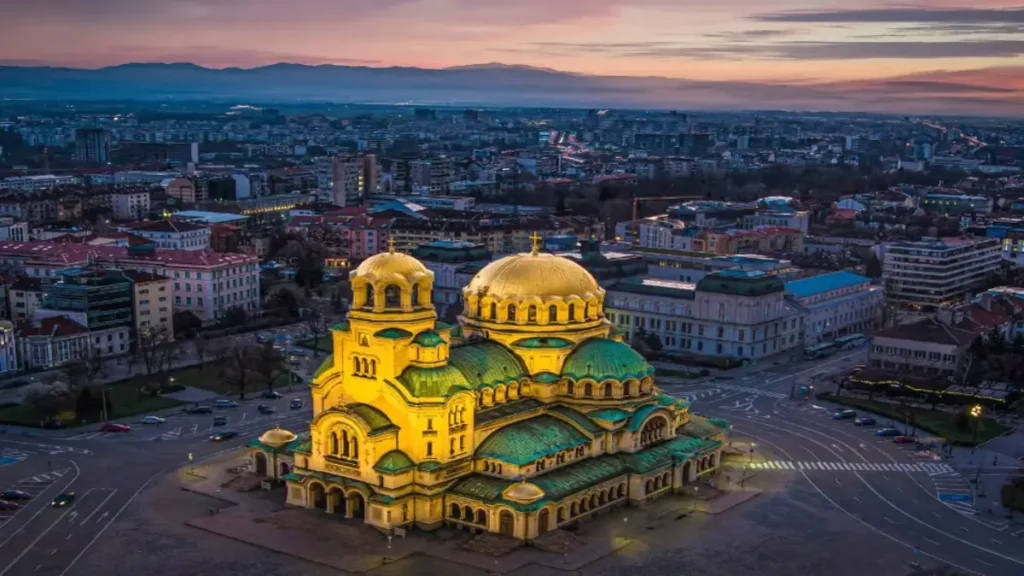
Day 1 – Sofia essentials
Walk the central sights, pop into a museum if you’re into history, then keep the evening simple: a cozy dinner + a short night walk.
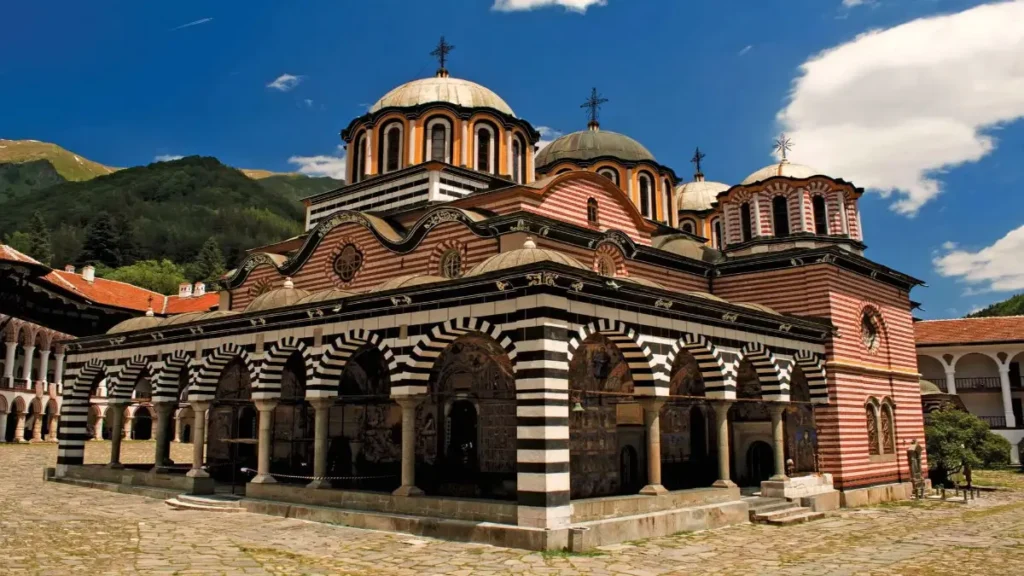
Day 2 – Best day trip: Rila Monastery
This is the “yes, it’s worth it” trip. Many tours run roughly ~2 hours each way by coach.
Optional add-on if it fits your pace: Boyana Church.
Day 3 – Flex day
Choose one: relaxed city morning + markets, or a half-day nature escape (no need to overplan).
4 days (two bases: Sofia + Plovdiv)
Day 1–2: follow the 3-day plan above for Sofia + Rila.
Day 3 – Move to Plovdiv + Old Town
Arrive, drop bags, then do an easy loop through the Old Town and viewpoints.
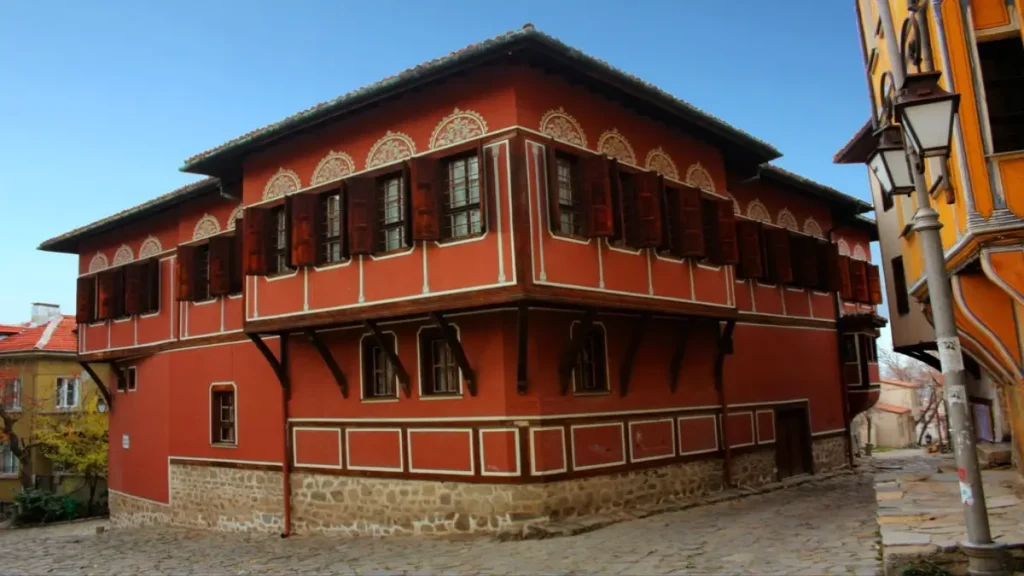
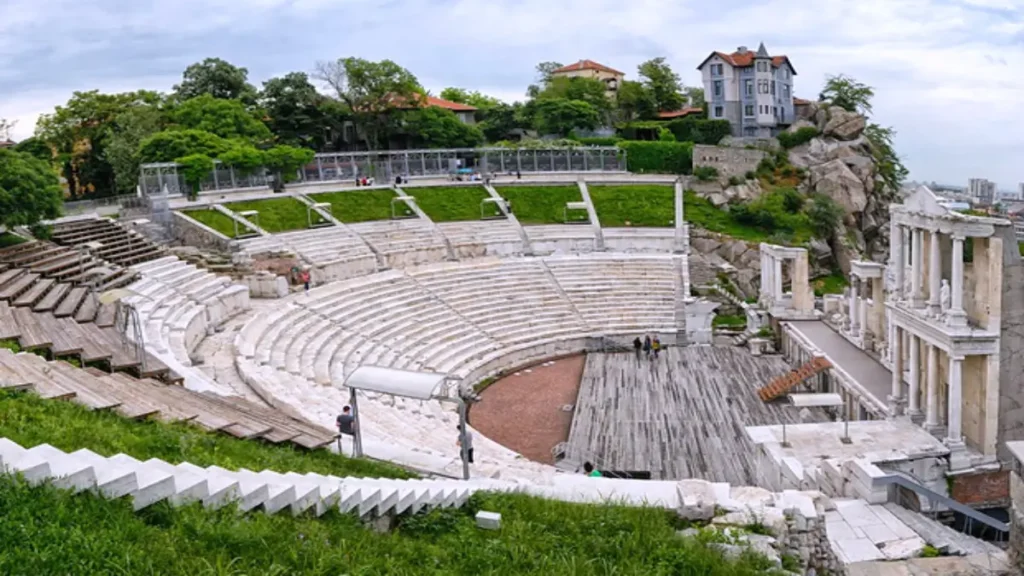
Day 4 – Roman layers + creative district
See the Ancient Theatre of Philippopolis, then spend your afternoon in the Kapana neighborhood (shops/cafés).
Bulgaria 5 days
Pick one based on your vibe:
Option A – Medieval views: Veliko Tarnovo
Great if you want fortress scenery + a different atmosphere from the two big cities.
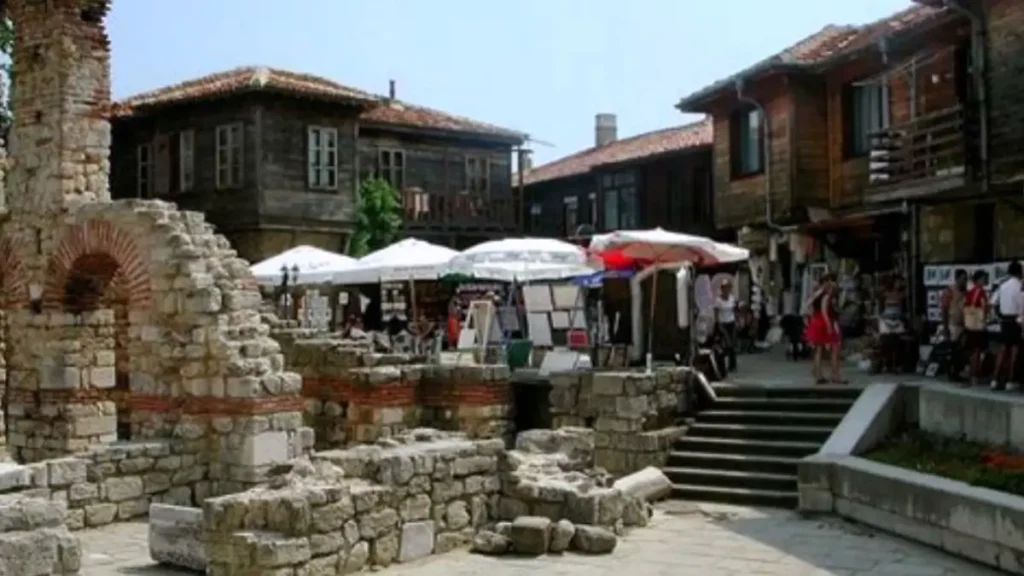
Option B – History + sea: Nessebar!
Perfect if you want a coastal feel, even on a short trip.
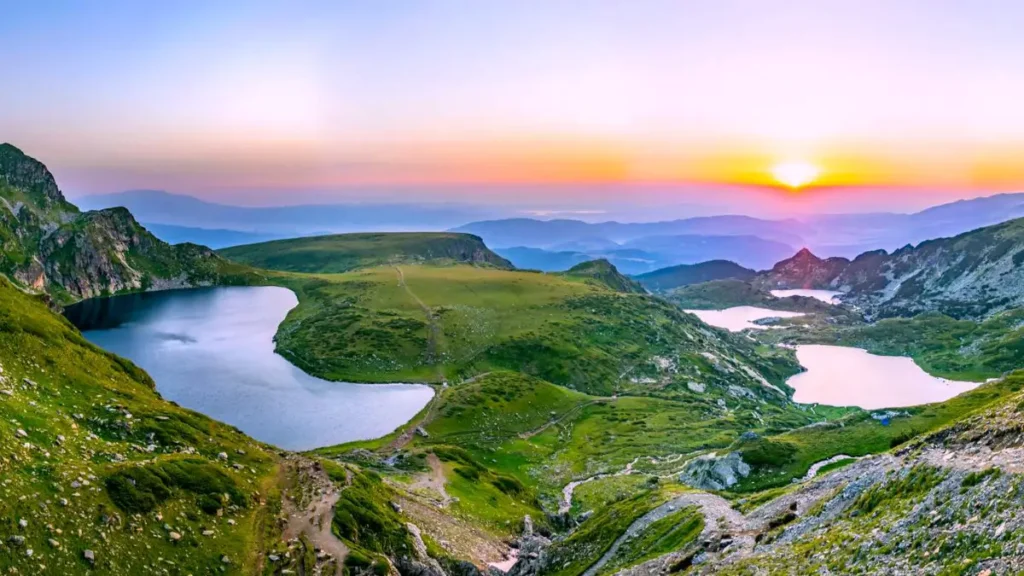
Option C – Nature highlight: Seven Rila Lakes!
Best in warmer months, and only if you’re genuinely up for a longer day outdoors.
Who this Bulgaria travel guide is for (and not for)
This guide is for you if you want:
- a realistic trip with 1–2 bases.
- a mix of city + one “must-do” day trip.
- straightforward logistics (buses/trains, walkable centers, simple routing).
This guide is not for you if you want:
- a slow, 10-day coastal summer where you hop beach towns daily.
- a deep “every monastery + every hike” itinerary (you’ll need more days).
- a nightlife-only trip (you can, but you’ll plan very differently).
Getting around Bulgaria (quick, practical)
- Between cities: buses are usually the easiest option for short itineraries (frequent and direct).
- For day trips: tours are the simplest if you want “no logistics,” especially for Rila; many run ~2 hours each way. Check availability!
- Car rental: great if you’re visiting smaller towns, but not essential for the 3–4-day plan.
- Inside cities: walk the centers; use public transport when you’re tired rather than building your day around it.
- If you’re landing late, traveling with luggage, or you want zero friction, a pre-booked transfer is often worth it for a short trip. Book a Sofia Airport Transfer / Fixed Price Transfer to Your Hotel.
Safety + common-sense tips (tight block + scam list)
Bulgaria is generally straightforward, but treat busy areas like any European city: keep your phone zipped, don’t leave bags hanging on café chairs, and be extra alert in transport hubs. The UK Foreign, Commonwealth & Development Office specifically warns about distraction attempts and pickpockets on public transport and in tourist areas. Check the Safety and Security Bulgaria travel advice!
Scams to ignore (fast list):
- Taxi “helpers” who wave you to a car without clear pricing.
- Distraction setups (someone bumps you / asks directions while another grabs your stuff).
- ATM hovering (use indoor/bank ATMs when possible).
- Menu surprises in very touristy strips (ask for prices first).
Bulgaria Travel Guide FAQs
Is Bulgaria in Schengen?
Yes—land border checks were lifted from 1 January 2025, completing full Schengen entry.
What currency does Bulgaria use in 2026?
The euro was adopted on 1 January 2026.
Is 3 days enough for Bulgaria?
Yes, for a first taste (Sofia + one big day trip). If you want a second city like Plovdiv, 4 days feels better.
Do I need a car?
Not for the classic short itinerary (Sofia + Plovdiv). A car is most useful if you’re chaining smaller towns or mixing coast + countryside.
What’s the single best day trip from Sofia?
Rila Monastery—high impact, easy to do in one day.
If you only have a few days, keep it simple: pick one main base, add one “must-do” day trip, and treat everything else as a bonus. Bulgaria rewards flexible planning—strong history, good food, and easy escapes into nature—without needing a complicated route.