
Croatia beyond the usual tourist trails
Explore waterfalls, castles, secret villages, and traditional dishes that most travelers miss.
All things to Do in Croatia – Check out must-see sights and activities!
Croatia off the beaten path
Croatia is famous for Dubrovnik, Split, and the Adriatic coastline — but beyond the crowds lies a quieter, more authentic side of the country. If you’re looking for hidden gems, cultural treasures, and natural wonders, here are some destinations that reveal Croatia off the beaten path charm.
If you’d like to dive deeper into planning your trip, the official Croatia Tourism website is a great starting point for practical travel information, events, and inspiration. For those curious about local traditions, the Mediterranean Diet is recognized by UNESCO as part of the world’s intangible cultural heritage — a reminder of how important food rituals like peka are in Croatian culture. And if you’re dreaming about the Adriatic’s quieter side, here’s a detailed guide to Vis Island, one of Croatia’s most authentic and off-the-beaten-path islands.
If you’re a curious traveler who loves exploring hidden gems in Croatia, as a part of Eastern Europe, this guide will take you on a journey through 12 unusual places to visit in Croatia off the beaten path:
Istria Peninsula – Hilltop Towns
The rolling hills of Istria are dotted with medieval towns that seem frozen in time. Perched on hilltops and surrounded by vineyards and olive groves, these villages offer breathtaking views and an authentic glimpse into Croatia’s past. Unlike the bustling coastal resorts, Istria’s hilltop towns are peaceful retreats of Croatia off the beaten path where stone streets, ancient walls, and local traditions tell stories of centuries gone by.
Whether you’re tasting truffle dishes in Motovun, wandering through Grožnjan’s art galleries, or stepping into Hum — the world’s smallest town — you’ll discover why this part of Istria is one of Croatia’s most charming hidden gems.
Medieval Villages of Istria
Step into a storybook setting where stone houses, narrow alleys, and ancient walls overlook rolling vineyards and olive groves. The medieval villages of Istria are not just beautiful—they offer a glimpse into a slower, timeless way of life that makes every visit unforgettable.
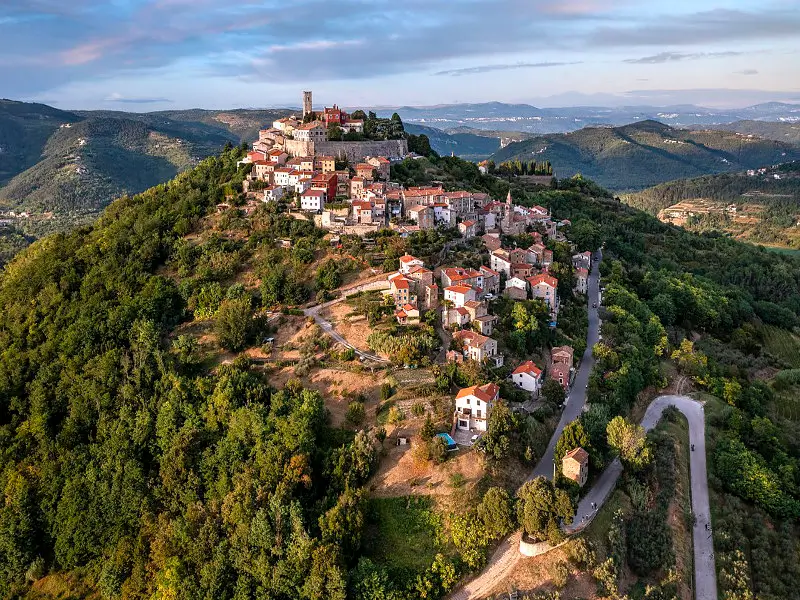
Perched high above the Mirna River valley, Motovun is a medieval town surrounded by stone walls and vineyards. It’s known for its truffle-rich forests and panoramic views that stretch across Istria.
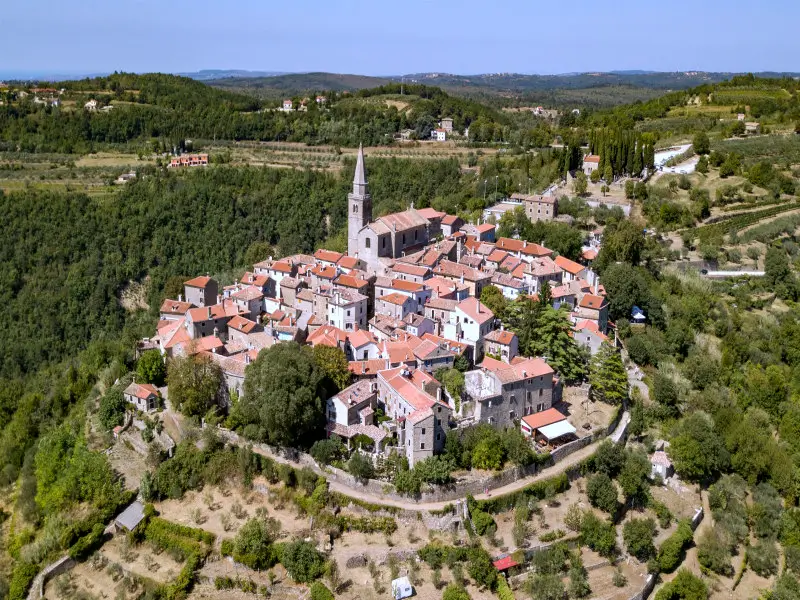
Also called the “Town of Artists,” Grožnjan is filled with galleries, ateliers, and music workshops. Walking through its cobblestone alleys feels like stepping back in time, with a creative twist.
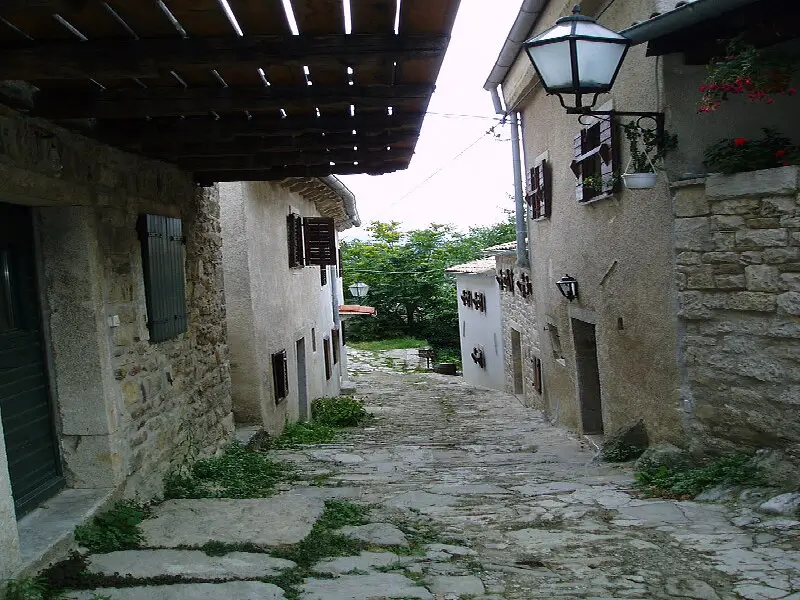
Famed as the “smallest town in the world,” Hum has fewer than 30 residents, but its tiny square, Romanesque church, and Glagolitic alley make it one of the quirkiest spots in Croatia.
✨ Discover Croatia’s Hidden Gems with a Local Guide ✨
Make the most of your journey through Istria and beyond. Join expert-led tours to explore hilltop towns, taste authentic food, and uncover secret spots far from the crowds.
🔎 View Istria Hidden Gems ToursCroatia off the beaten path – Croatia castle
Croatia’s landscapes are sprinkled with medieval castles and noble residences that bring history to life. From fairy-tale fortresses perched on green hills to stone strongholds wrapped in legends, these sites reveal the country’s rich cultural past. Visiting them offers not just architecture, but stories of knights, nobles, and folklore that shaped Croatia’s identity.
Explore the Timeless Beauty of Croatia’s Castles
From hilltop fortresses to lakeside manors, Croatia’s castles tell tales of knights, nobles, and forgotten legends. These magnificent landmarks reveal the country’s medieval charm and invite you to wander through history — one stone tower at a time..
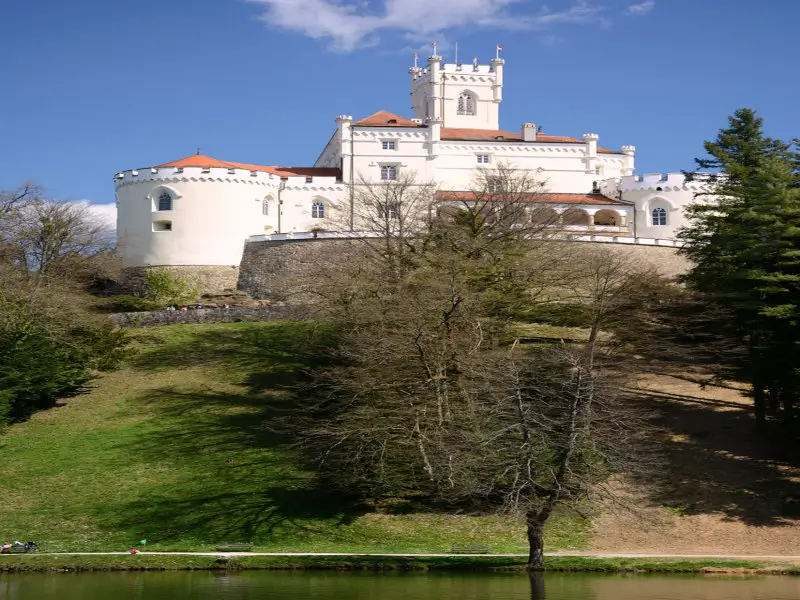
Trakošćan Castle
One of the most picturesque castles in Croatia, Trakošćan is set beside a tranquil lake and surrounded by forest. Its 13th-century origins, Gothic architecture, and richly furnished interiors offer a journey through noble history.
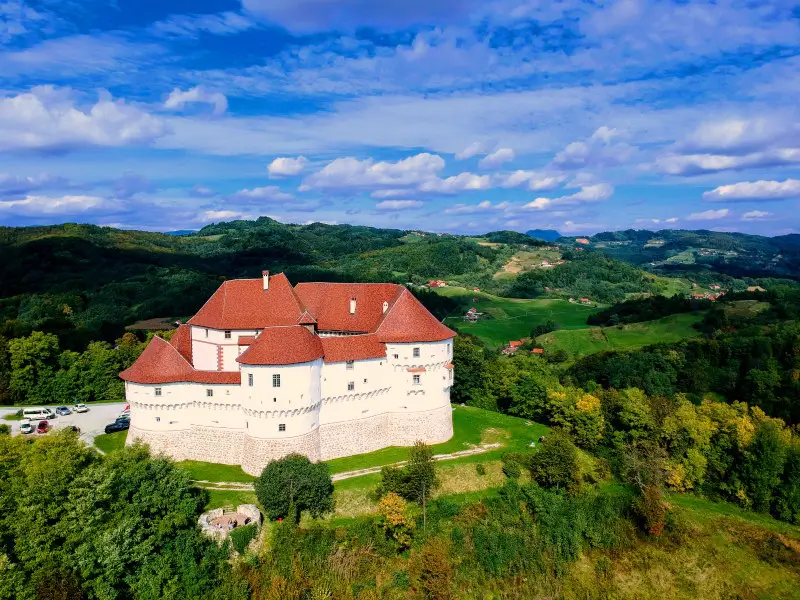
veliki tabor
Located in the Zagorje hills, Veliki Tabor is a mighty fortress dating back to the 15th century. Its thick walls, towers, and legends — especially the tale of Veronika of Desinić — make it a fascinating excursion into Croatia’s medieval past.
🏰 Step Back in Time – Explore Croatia’s Castles 🏰
Wander through fairy-tale fortresses and discover Croatia’s medieval legends. Join expert-guided tours to Trakošćan, Veliki Tabor, and other hidden gems of the Zagorje region.
🔎 View Croatia Castle ToursSecret Croatia destinations – Nature Wonders
Beyond its turquoise coastline, Croatia hides natural treasures in its rivers, waterfalls, and forests. Here you’ll find small villages where water cascades between wooden mills, emerald rivers carving through deep canyons, and wild waterfalls far from the tourist trails. These natural wonders invite you to slow down, breathe fresh air, and connect with the wilder side of Croatia.
Uncover the Hidden Nature Wonders of Croatia
Hidden gems in Croatia. Croatia hides a world of waterfalls, rivers, and lush forests waiting to be explored. From emerald canyons to peaceful mountain streams, these untouched landscapes invite you to slow down, reconnect with nature, and experience the country’s raw beauty.
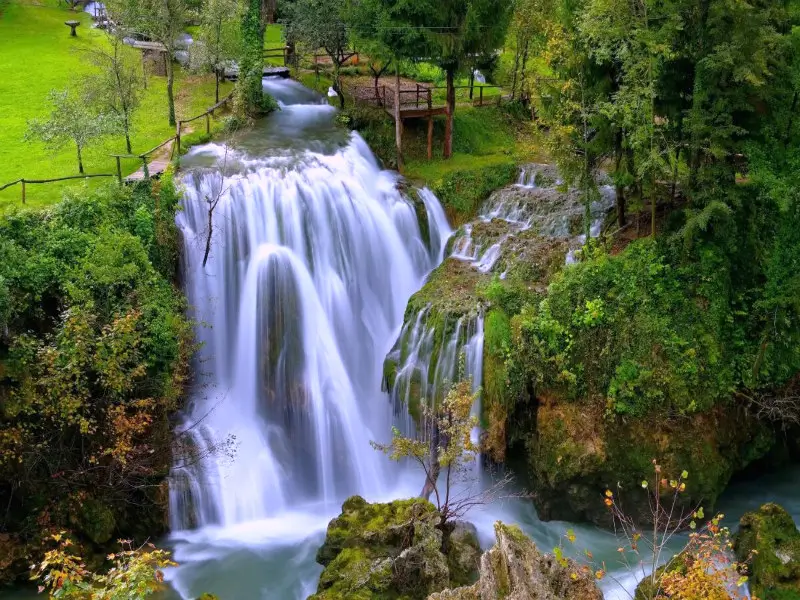
Often called the “small Plitvice,” Rastoke is a fairy-tale village where wooden houses sit above streams, and waterfalls cascade between mills. It’s a peaceful alternative to Croatia’s most famous national park.
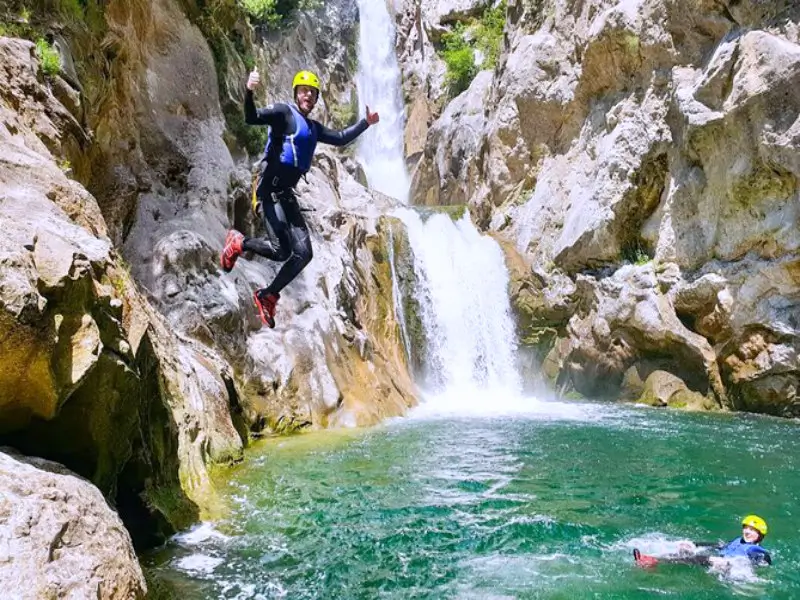
Flowing through a dramatic canyon near Omiš, the Cetina River is perfect for rafting, canyoning, and zip-lining. Its emerald waters and hidden caves make it an adventure lover’s paradise.
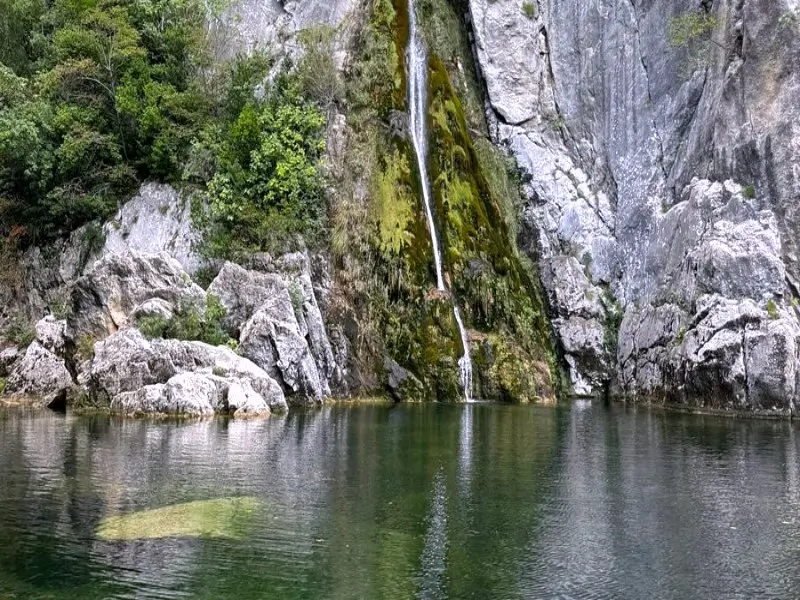
Near the village of Zadvarje, the Gubavica Waterfalls tumble down 50 meters into a rugged gorge. Untouched and wild, they showcase Croatia off the beaten path natural beauty.
3 Remote Islands in Croatia
Far from the busy resorts, Croatia’s lesser-known islands offer peace, tradition, and stunning scenery. Each island has its own story — from hidden caves and starry skies to villages where life moves slowly, just as it did centuries ago.
Far from the busy resorts and ferry crowds, Croatia’s remote islands offer peace, authenticity, and untouched nature. Visiting these hidden gems — Vis, Biševo, and Lastovo — feels like stepping back in time, where life moves slowly and every bay tells a story.
These islands are best explored without a car, allowing you to truly experience their relaxed rhythm. Walk, cycle, or take local boats between villages and coves — the narrow roads, small harbors, and island pace make slow travel the most rewarding way to explore them.
Vis Island is widely considered Croatia off the beaten path destination, especially when compared to more heavily touristed islands like Hvar or Brač.
Here's why:
- Former Military Base: Vis was closed to foreign visitors as a Yugoslav military base until 1991. This history has preserved its authentic atmosphere, natural beauty, and slower pace of life, making it feel “untouched by tourism.”
- Remote Location: It is the farthest inhabited island from the Croatian mainland, making it less accessible and deterring casual day-trippers (though day trips still exist, especially to the Blue Cave).
- Authentic Charm: You'll find a more tranquil ambiance, with old-school family-owned restaurants and a focus on nature, local wine, and fishing traditions, rather than big resorts or fancy beach clubs.
While it is gaining popularity, especially for the Blue Cave, staying on the island for a few days is the best way to experience its secluded and authentic charm.
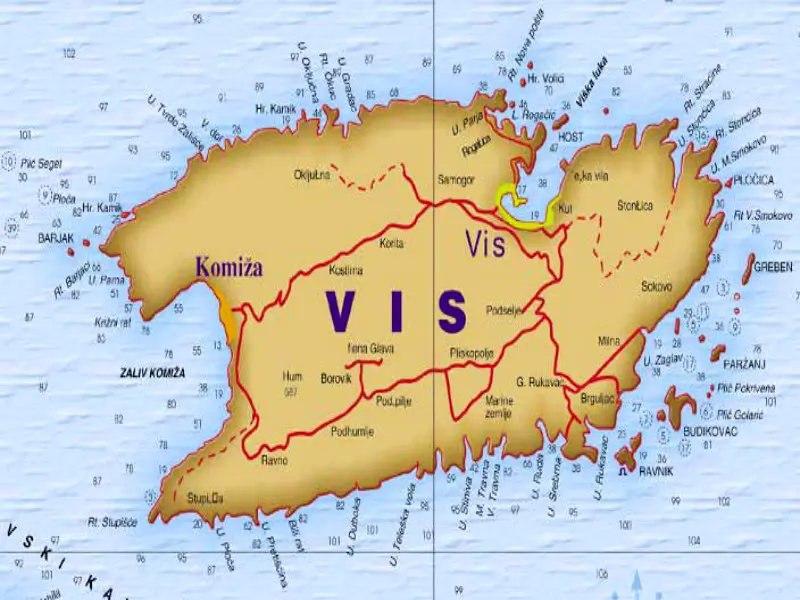
Things to Do on Vis Island:
Although Vis is considered one of remote islands in Croatia, it offers a mix of stunning natural beauty, rich military and ancient history, and a relaxed, authentic island lifestyle.
Natural Wonders and Beaches
- Blue Cave (Modra Špilja): Located on the nearby islet of Biševo, this natural sea grotto is famous for the ethereal blue light that fills the interior when the sun is at its highest point (typically 11 AM to 1 PM). Boat tours are essential to visit.
- Stiniva Beach: Often named one of the most beautiful beaches in Europe, this secluded cove is tucked between two towering cliffs, accessible only by a steep, challenging hike or a boat.
- Green Cave (Zelena Špilja): Located on the islet of Ravnik, this cave features emerald green waters where you can swim and snorkel.
- Srebrna Beach (Silver Beach): Known for its unique silver-colored pebbles and clear water, it's an excellent spot for a quieter day of swimming.
- Mount Hum: Hike or drive to the island's highest point for breathtaking panoramic views of Komiža and the surrounding islands.
History and Culture
- Explore Military History: Vis was a strategic naval base, and you can take a military tour to see hidden relics, including underground tunnels, bunkers, and Tito's Cave, a hideout used by the Yugoslav partisan leader during World War II.
- Vis Town & Kut:
- Vis Town is the main port and home to the Archaeological Museum, which displays artifacts from the ancient Greek and Roman settlements (Issa).
- Kut is the eastern part of Vis Town, known for its Venetian-style architecture and a more refined atmosphere.
- Komiža Village: Explore this charming, down-to-earth fishing village on the western side of the island. Stroll along the waterfront, try fresh seafood, and enjoy the authentic Dalmatian atmosphere.
- Fort George (Tvrđava Svetog Jurja): This historic 19th-century fortress, originally built by the British, offers panoramic views and has been converted into a venue for events and dining.
Activities and Local Experiences
- Boat Tours: Rent a small boat or join a tour to explore the numerous hidden coves, secluded beaches, and nearby islands.
- Wine Tasting: Vis has a long tradition of winemaking, dating back to ancient Greece. Visit local family-run wineries to sample indigenous white wines like Vugava and red wines like Plavac Mali.
- Diving and Snorkeling: The crystal-clear Adriatic waters are perfect for exploring. There are several diving centers offering trips to shipwrecks and vibrant underwater life.
- Hiking and Cycling: The island is crisscrossed with scenic trails, offering views of vineyards, olive groves, and the rocky coast. Be prepared for some steep, challenging routes.
- Local Cuisine: Indulge in authentic Dalmatian dishes, especially the ultra-fresh seafood (Komiza is a fisherman's town) and the local specialty Peka (meat or octopus cooked under a bell dome).

💙 Discover the Magic of Vis Island in a Day
Join a scenic day trip to Vis — Croatia’s most authentic Adriatic island. Explore hidden beaches, charming villages, and crystal-clear waters on a guided adventure you’ll never forget.
🚤 Book Your Vis Day Trip NowBiševo Island is a small, rugged island in the Croatian Adriatic, best known as the home of the stunning Blue Cave (Modra špilja). Its relationship with the larger Vis Island is primarily geographical, administrative, and one of essential connection.
Biševo Island in Relation to Vis Island
- Location: Biševo is situated approximately 5 kilometers southwest of Vis Island, separated by the Biševo Channel. Vis is the nearest major island and its nearest town is Komiža, located on the western coast of Vis.
- Administration: Administratively, Biševo Island belongs to the Town of Komiža on Vis.
- Lifeline Connection: Biševo is one of Croatia's most remote inhabited islands and is connected to Vis, specifically Komiža, by a regular boat line. For the island's handful of permanent residents, Komiža is the essential hub for services and is often where they go for medical care, as there are no cars or extensive amenities on Biševo itself. The channel between the two islands can be rough, making the crossing a sometimes challenging journey.
Key Attractions on Biševo
While the island is tiny and sparsely populated, it holds natural wonders that make it a major tourist destination in the region:
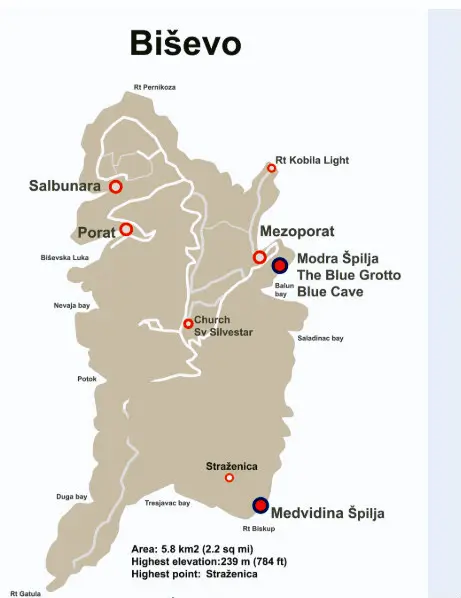
- The Blue Cave (Modra špilja): This is Biševo's main draw. Sunlight enters a submerged opening and reflects off the white seafloor, bathing the cave's interior in a brilliant, silvery-blue light.
- Monk Seal Cave (Medvedina): Located on the southeast side, this 160-meter-long cave was once a habitat for the Mediterranean monk seal. Small boats can enter to see the vast main hall and the small beach at the end.
- Beaches: The island features a few picturesque bays, including the sandy beaches of Porat and Salbunara on the western side.
- Hiking: You can hike to the island's highest point, Stražbenica (239 m), for spectacular views of the surrounding islands, including Vis.
💙 Explore the Stunning Blue Cave on Biševo Island
Experience the mesmerizing glow of Croatia’s famous Blue Cave. Departing from Vis, enjoy a scenic boat ride, crystal-clear waters, and breathtaking coastal views — a must-see Adriatic wonder.
🌊 Book Your Blue Cave Tour NowBest Ways to Visit Biševo from Vis
The easiest and most common way to visit Biševo is via a boat trip, usually departing from the town of Komiža on Vis.
Organized Boat Tours (Most Popular)
This is the recommended method for most visitors, especially if your primary goal is to see the Blue Cave.
- Departure Point: Tours are readily available from Komiža (and also from Vis Town, Hvar, and Split).
- What to Expect: Speedboat tours from Komiža will take you directly to the Blue Cave's harbor (Mezuporat). These tours often include the cost of the ticket to the Blue Cave and can sometimes provide quicker entry. They also typically combine the Blue Cave with other nearby attractions, such as the Green Cave (on Ravnik islet) and Stiniva Cove (on Vis).
Public Boat Line
For those who prefer a less structured, do-it-yourself trip, a public boat line connects Komiža to Biševo.
- Route: The state-owned boat line (often referred to as the “Pruga” or “Rail” by locals) runs from Komiža to Biševo, making stops at ports like Mezuporat, Salbunara, and Porat. (see the Bisevo map above)
- Schedule: The service is daily during the summer season and less frequent in the winter.
- Visiting the Blue Cave: If you take the public boat, you must get off at Mezuporat. From there, you will join the ticketed queue for a separate small, official boat service, which is the only way to enter the Blue Cave.
Private Rental
If you have a boat license and feel confident navigating the open sea, you can rent a small boat from Vis. This provides the most flexibility for exploring the island's many coves and beaches at your own pace.
Important Note for the Blue Cave: Regardless of how you arrive at Biševo (tour, public boat, or private rental), you must transfer to a small, authorized boat at Mezuporat to enter the Blue Cave. Swimming into the cave is strictly prohibited.
Lastovo is widely considered an Croatia off the beaten path destination in Croatia, especially compared to more popular islands like Hvar and Korčula. It's one most remote islands in Croatia.
Its remote location deep in the Adriatic Sea and its history as a former Yugoslav military base (closed to foreigners until 1988) have helped preserve its unspoiled natural beauty and tranquil atmosphere. It's a place for travelers seeking peace, nature, and an authentic island experience away from the mass tourist crowds.
Here is a guide to Croatia off the beaten path and what you can do on Lastovo as a number 1 secret Croatia destinations:
Things to Do on Lastovo Island
Lastovo and its archipelago of 46 islands are a designated Nature Park, offering a wealth of activities focused on nature and relaxation.
Explore the Outdoors and Nature
- Hiking and Biking: The island has a network of well-marked walking and cycling trails (over 200 km of trails are mentioned). You can cycle through dense pine forests, olive groves, and vineyards. Bikes and scooters are available for rent, particularly in Pasadur and Ubli.
- Hike to Hum Peak: Climb to the highest point on the island (417 m) for panoramic views of the entire archipelago and spectacular sunsets.
- Stargazing: Lastovo is known for having some of the darkest skies in Europe due to minimal light pollution, earning it the nickname the “Island of Stars.” It's a paradise for astronomy enthusiasts.
- Relax at Secluded Bays: The coastline is rugged but features beautiful, crystal-clear coves perfect for swimming and sunbathing. Popular spots include:
- Skrivena Luka (“Hidden Harbor”): A large, sheltered bay on the south side.
- Zaklopatica: Known for its waterfront dining and sunset views.
- Pasadur: Home to the island's only hotel and family-friendly waters.
Water-Based Activities
- Diving and Snorkeling: The waters of the Lastovo Archipelago Nature Park are protected and feature a rich marine environment with coral reefs, caves, and even WWII shipwrecks. Diving centers are located in Zaklopatica and Pasadur.
- Boat Excursions: Rent a small boat or join an organized excursion to explore the surrounding islets and hidden coves. The island of Saplun, with its sandy beach, is a popular destination.
- Kayaking/Paddling: The calm, clear waters in the bays are perfect for kayaking, allowing you to discover the less-accessible parts of the coastline.
Discover Culture and History
- Wander through Lastovo Town: The main village is located inland (to hide from pirates in the past) and is famous for its unique architecture, particularly the distinctive, creatively-shaped cylindrical chimneys called fumari, which were once status symbols.
- Visit Historic Lighthouses:
- Struga Lighthouse: Built in 1839 on a steep cliff, it offers amazing views and even has apartments for an overnight stay.
- Explore Historic Sites: See the remnants of the Roman settlement in Ubli Bay, and visit the numerous old churches, such as the Parish Church of St. Cosmas and Damian in Lastovo Town.
- Climb Kašćel (Fortica): This historic fortress (now housing a meteorological station) offers fantastic views over Lastovo Town and the sea.
- See Abandoned Military Tunnels: Explore the atmospheric, abandoned Yugoslav naval tunnels, a remnant of the island's military past.
- Rača Cave: Visit this archaeological site and protected geomorphological monument, which contains traces of life dating back to the Stone Age.
Authentic Croatian Food and Events
- Local Cuisine: Enjoy the island's gastronomy, which is focused on fresh seafood. Spiny lobster is a authentic Croatian food local delicacy. Pair your meal with local wines, such as the white wine Maraština. Many restaurants (konobas) are family-run.
- Attend the Poklad Carnival: If you visit in late winter (February or March), you can experience the traditional Lastovo Carnival, a colorful and lively event recognized by UNESCO as Intangible Cultural Heritage.
Croatia Off the Beaten Path: Food & Traditions
Step beyond the tourist menus and discover the real taste of Croatia. From homemade olive oil and island wines to centuries-old recipes passed down through generations, every region tells its story through food. Meet locals, join small village festivals, and experience the authentic Croatian food that make Croatian culture so rich and authentic.
Croatia Off the Beaten Path – Ston Town Walls & Oysters
Ston, located on the Pelješac peninsula in southern Croatia, is a town famous for two main attractions: its remarkable medieval stone fortifications and its world-renowned oysters.
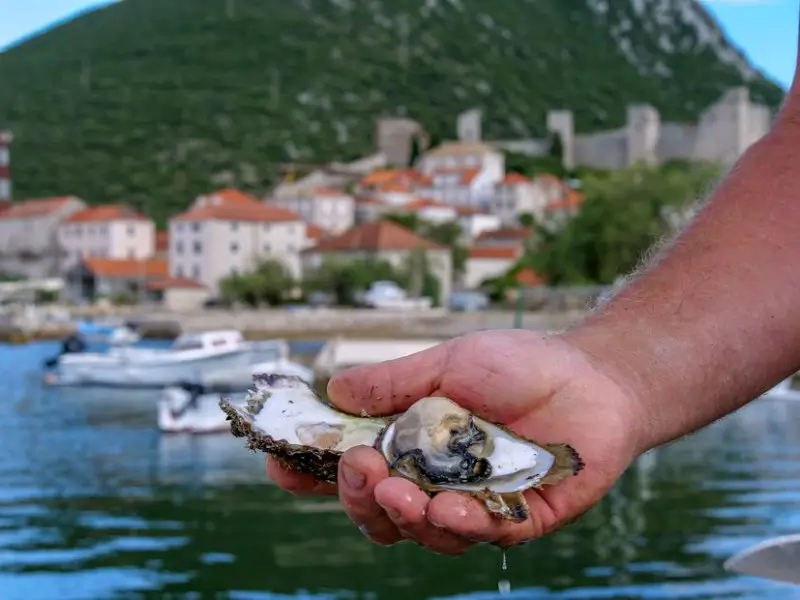
🦪 Taste the Famous Oysters of Ston
Embark on a scenic tour of Ston’s crystal-clear bay and sample fresh oysters straight from the sea. Learn about centuries-old farming traditions and enjoy one of Croatia’s most authentic culinary experiences.
🍷 Book Your Oyster & Wine TourSpecies and Quality
- Species: The famous local oyster is the European Flat Oyster (Ostrea edulis), which is highly prized for its delicate texture and refined taste.
- Protected Status: The “Mali Ston Oyster” has earned a Protected Designation of Origin (PDO) mark, signifying its unique quality and regional tie.
- Ideal Conditions: The pristine waters of Mali Ston Bay are a protected marine reserve. The bay's unique environment, where the salty seawater mixes with fresh water flows (including mineral-rich water from the nearby Neretva River), creates ideal conditions for the oysters to thrive.
History and Tradition
- Ancient Roots: Oyster farming in the bay is an ancient tradition, with historical records and archaeological traces dating back to Roman times.
- Cultivation: Oysters are typically harvested after about three years of growth. The cultivation system still utilizes traditional methods, with oysters cemented in pairs onto ropes and lowered into the bay.
Oyster Season
- The best time to eat Ston oysters is during the late winter and early spring, specifically March.
- March is when the oysters are at their meatiest and most delicious, before their natural reproduction cycle in the warmer months.
- Oyster Day Festival: The town of Mali Ston celebrates the Oyster Day Festival (Dani malostonske kamenice) every year in mid-March (around St. Joseph's Day, March 19th) to promote the fresh harvest.
Tasting Experience
- The local custom is to eat them raw, freshly shucked, with just a few drops of lemon juice to fully appreciate their natural flavor—locals often discourage the use of heavy sauces.
- Many restaurants in Ston and Mali Ston offer boat tours out to the oyster beds where you can enjoy the fresh oysters literally pulled from the water just moments before.
The Walls of Ston (Stonske zidine)
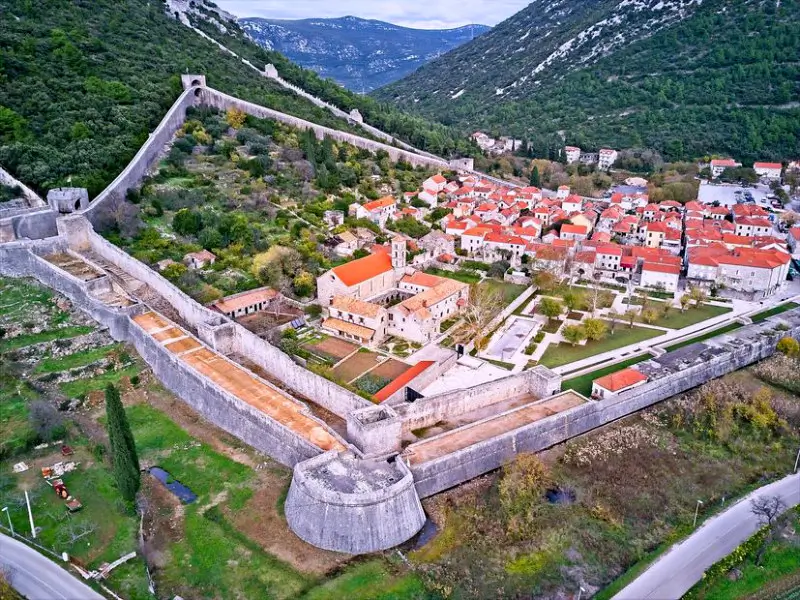
Although Ston is famous for oysters authentic Croatian food, it would not be fair not to mention the walls of Ston. Often called the “European Wall of China,” the Walls of Ston are one of the longest preserved fortification systems in the world and are a testament to medieval military architecture and the wealth of the former Republic of Ragusa (Dubrovnik).
History and Purpose
- Construction: Building began in 1358 and continued into the 15th century. It was an enormous construction project for the time, designed by notable architects like Michelozzo di Bartolomeo.
- Controlling the Isthmus: The fortifications were strategically built to defend the narrowest point of the Pelješac peninsula, which was vital for linking the peninsula to the mainland.
- Protecting “White Gold”: The primary economic purpose was to protect the immensely valuable Ston salt pans. Salt was a major source of wealth (often called “white gold”) for the Republic of Ragusa.
Scale and Structure
- Original Length: The walls were originally over 7 kilometers (4.3 miles) long, connecting the two towns of Ston and Mali Ston.
- Current Length: Today, the preserved system is approximately 5.5 kilometers (3.4 miles) long.
- Features: The full system included 40 towers (about 20 survive today) and 5 fortresses, with the key centers being:
- Veliki kaštio (Great Fort) in Ston.
- Koruna in Mali Ston.
- The fortress on Podzvizd Hill.
Visiting the Walls – The walls are open to the public, and visitors can walk along a significant portion of the ramparts, offering breathtaking views of the towns, the Adriatic Sea, the salt pans, and Mali Ston Bay.
Dishes Baked Under the Bell – Peka Authentic Croatian food
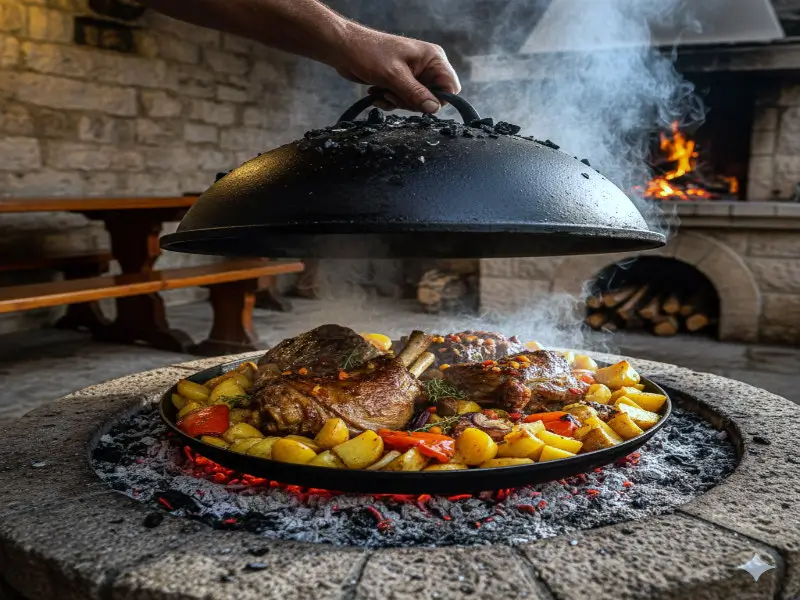
🔥 Experience Authentic Croatian Peka Dining
Savor the slow-cooked flavors of Croatia’s most traditional meal — the famous peka. Enjoy tender meat, fresh vegetables, and herbs baked under a bell-shaped lid for an unforgettable taste of local life.
🍽️ Book Your Peka ExperienceThe traditional Croatian cooking method and dish known as Peka is a fascinating subject, representing a deep connection to the country's history, culinary heritage, and communal culture. It's a authentic Croatia food preparation.
The argument for Peka's significance in Croatian cuisine can be “evolved” by structuring it into a narrative that covers its ancient origins, the unique method, the cultural role, and its modern-day persistence.
Here is an evolved argument outlining the history, preparation, and significance of dishes baked “Under the Bell” (Peka) in Croatia:
The Croatian Peka is more than just a dish; it is a culinary tradition and artifact that serves as a direct link to the ancient past. It represents an ingenious, time-honored cooking technique that results in some of the country's most succulent and flavorful meals, solidifying its role as an enduring symbol of Croatian identity and hospitality.
Ancient Origins and Enduring Technique
The history of Peka is remarkably long, tracing back to prehistoric times and establishing it as one of the longest-standing cooking methods in Croatian cuisine:
- Ancient Roots: Archaeological evidence, such as ceramic baking lids, has been found dating back to the Bronze Age and the Hallstatt era (around 800 BC). Ancient tribes, including the Illyrians, used this technique, often in open hearths separate from the main living area.
- The Vessel: The word Peka refers to both the meal and the essential equipment: a heavy, dome-shaped lid, traditionally made of clay (called čripnja or pekva in some regions) or, more commonly today, cast iron. The Ottoman-influenced term sač is also used.
- The Method: The dish is prepared by placing meat (veal, lamb, or octopus), potatoes, and vegetables in a shallow tray, covering it with the peka bell, and then sealing it with a ring of hot embers and ashes from a wood fire (often beech, oak, or grapevine). This dual-source heat—from the hearth below and the embers above—creates a rustic, sealed “oven.”
- Unique Result: The long, slow-cooking process (typically 2 to 3.5 hours) is a combination of roasting and steaming. The dome seals in all the moisture and flavors, causing steam to condense and drip back onto the food, resulting in meat that is incredibly tender, juicy, and fall-off-the-bone succulent, infused with a subtle smoky aroma.
Authentic Croatian food culinary Versatility and Regional Variations
While the method remains consistent, the dish's main ingredients vary, reflecting the regional geography and available produce of Croatia:
- Traditional Staples: The most popular Peka dishes are Veal (Teletina) and Lamb (Janjetina), especially in the countryside and inland regions. These are always accompanied by large chunks of potatoes and other vegetables like onions, carrots, and peppers, seasoned simply with local herbs like rosemary, thyme, olive oil, and sometimes wine.
- Dalmatian Coast Speciality: Along the Adriatic coast, particularly in Dalmatia, Octopus Peka is the signature seafood variation, often touted as a “seafood lover's dream.”
- Everyday Staple: In its earliest and most modest form, Peka was used almost daily for baking bread and pastries. It was only on rare occasions or feasts that meat was cooked beneath the bell.
Cultural Significance: A Ritual of Community
In modern Croatia, Peka has transcended its function as a mere cooking method to become a meaningful social and cultural ritual:
- Communal Feast: Peka is inherently a communal meal, often prepared for large groups and reserved for special occasions, family gatherings, celebrations, or important rites of passage (weddings, christenings, holidays). Its long preparation time fosters a spirit of patience and fellowship.
- Hospitality and Heritage: The act of preparing and sharing Peka is a powerful symbol of Croatian hospitality and a cherished family tradition passed down through generations. The sight of the bell being lifted to reveal the feast is a moment of shared celebration.
- Culinary Tourism: Peka's unique flavor and cultural story have made it a major draw for culinary tourists. Many traditional restaurants offer Peka (often requiring a pre-order due to the long cooking time), and hands-on cooking classes have emerged, allowing visitors to connect directly with Croatia’s gastronomic heritage.
In conclusion, Peka’s evolution is a story of authentic Croatian food culinary mastery. It survives today not just because of its delicious outcome, but because the ritual of fire, time, and shared food resonates deeply with Croatian cultural values, transforming a simple, ancient technique into a profound communal experience.
Exploring these hidden gems in Croatia is more than just a journey — it’s a chance to experience the country’s true essence away from the crowds. From unusual places to visit in Croatia like stone hilltop villages and ancient fortresses, to remote islands in Croatia where time seems to stand still, each destination offers a glimpse into authentic local life.
And as you travel, don’t miss the chance to taste authentic Croatian food, from rustic peka dishes to the freshest seafood straight from the Adriatic. These off-the-beaten-path experiences reveal the heart and soul of Croatia — raw, welcoming, and unforgettable. I hope, you will find these Croatia off the beaten path destinations, interesting and usefull for your nex trip.