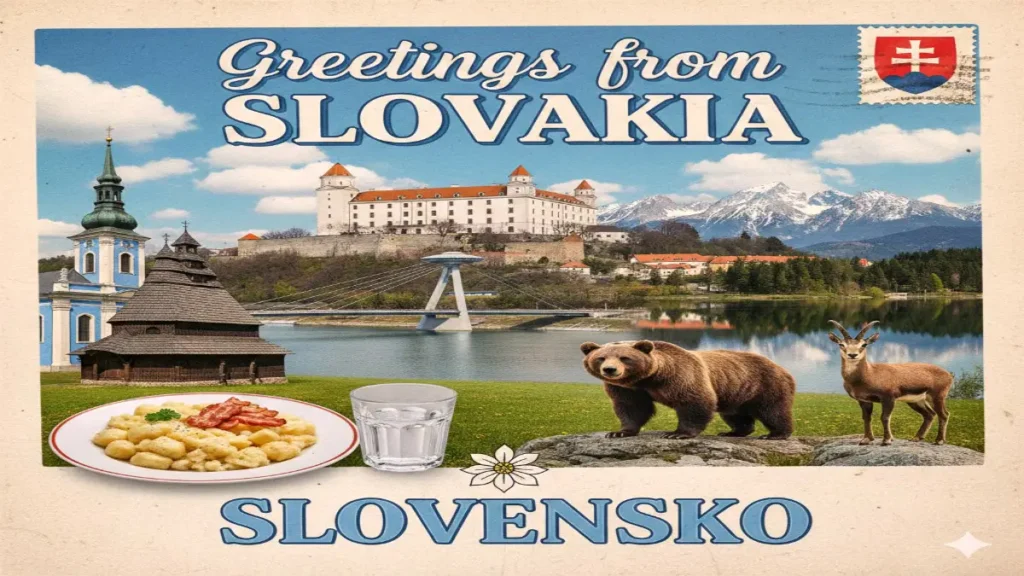
Slovakia Travel Guide for travelers who want to explore Central Europe without rushing between major capitals. Slovakia is compact, diverse, and surprisingly easy to navigate, making it well-suited to short trips when planned thoughtfully.
Within a few days, you can experience a walkable historic city, mountain landscapes, and a small-town atmosphere — but only if you avoid trying to see everything at once. This guide focuses on what truly fits into a realistic 3–5 day itinerary.
For general travel information and regional overviews, the official resources provided by Slovakia Travel offer a useful starting point.
Why the Slovakia Travel Guide Works Well for a Short Trip
Slovakia’s greatest strength is the contrast within short distances. The capital, Bratislava, offers a compact Old Town and Danube views, while the High Tatras provide alpine scenery just a few hours away.
Unlike larger countries, you won’t spend entire days crossing regions. However, the temptation to combine too many destinations can quickly overwhelm a short itinerary. Slovakia rewards focus and depth more than coverage.
How I Build 3–5 Day Itineraries for Slovakia
When planning short stays in Slovakia, I follow three principles:
- Choose one main base.
- Add one contrasting experience.
- Keep travel time under 3–4 hours per transfer.
For example:
- Bratislava + one nearby excursion.
- High Tatras base with light hiking.
- Small-town heritage focus in central Slovakia.
Trying to combine Bratislava, the High Tatras, and eastern Slovakia in three days usually leads to more transit than experience.
What to Skip on a Short Trip to Slovakia
Slovakia has many castles, scenic regions, and national parks — but not all fit within a limited timeframe.
On a 3–5 day trip, consider skipping:
- Long east–west crossings across the country.
- Overloading your stay with multiple mountain transfers.
- Treating Slovakia only as a quick add-on to Vienna or Budapest without dedicated time.
A slower, focused itinerary produces a far better experience than rushing between highlights.
Best Places in Slovakia for Short Trips
| Place | Ideal Stay | Why It Works |
|---|---|---|
| Bratislava | 2–3 days | Compact Old Town, Danube views, easy day trips |
| High Tatras | 2–3 days | Accessible mountain scenery and hiking |
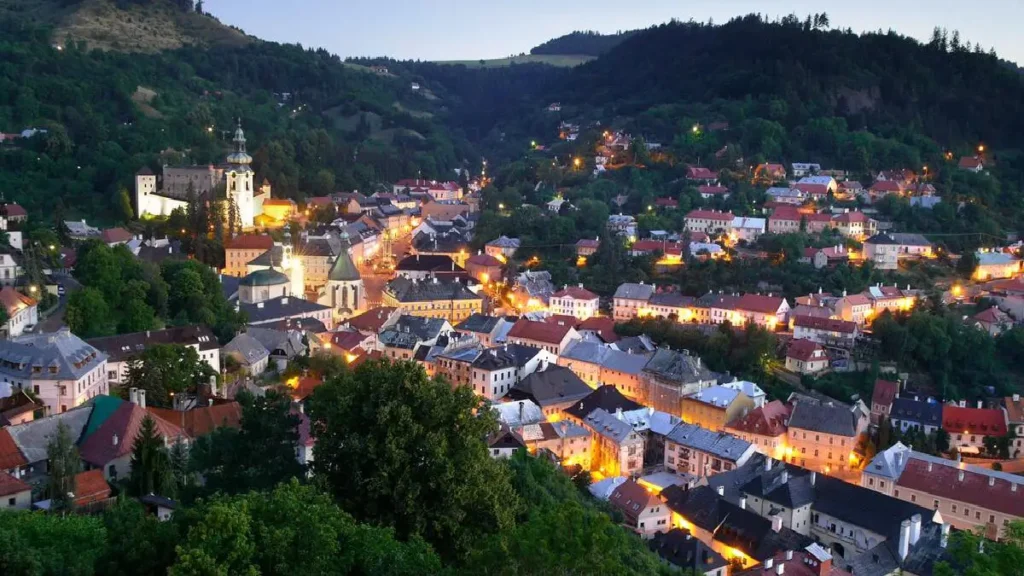
| Banská Štiavnica – UNESCO recognizes Banská Štiavnica for its historic mining heritage. | 1–2 days | An atmospheric historic town with mining heritage |
Each destination offers a distinct atmosphere without requiring constant movement.
Bratislava vs High Tatras for a Short Trip
If you only have a few days, the main decision often comes down to city culture or mountain scenery.
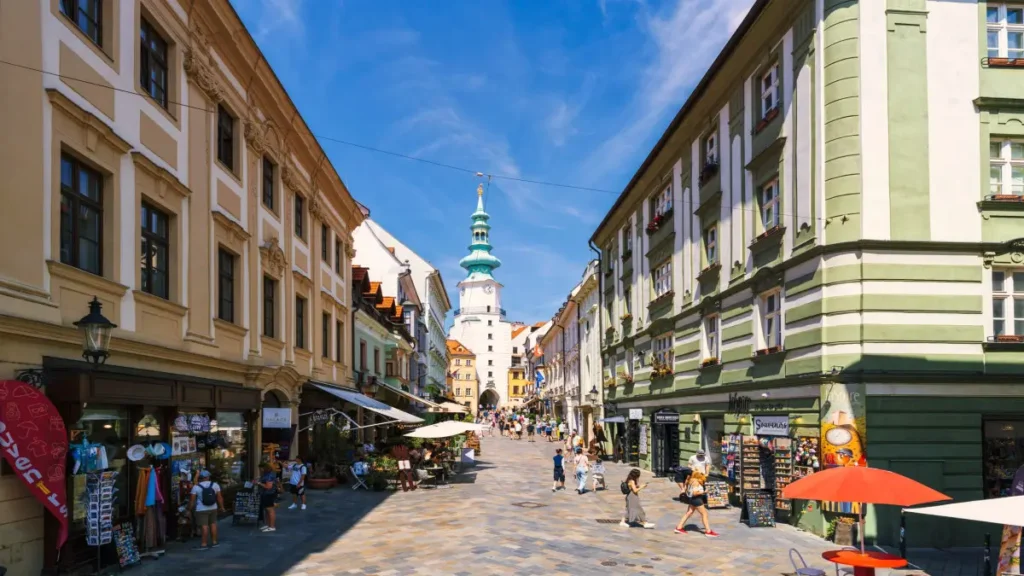
Choose Bratislava if you prefer:
- Walkable historic streets.
- Café culture and relaxed evenings.
- A city-based stay with optional excursions.
Choose the High Tatras if you prefer:
- Nature and alpine landscapes.
- Scenic walks and mountain views.
- A slower, outdoor-focused rhythm.
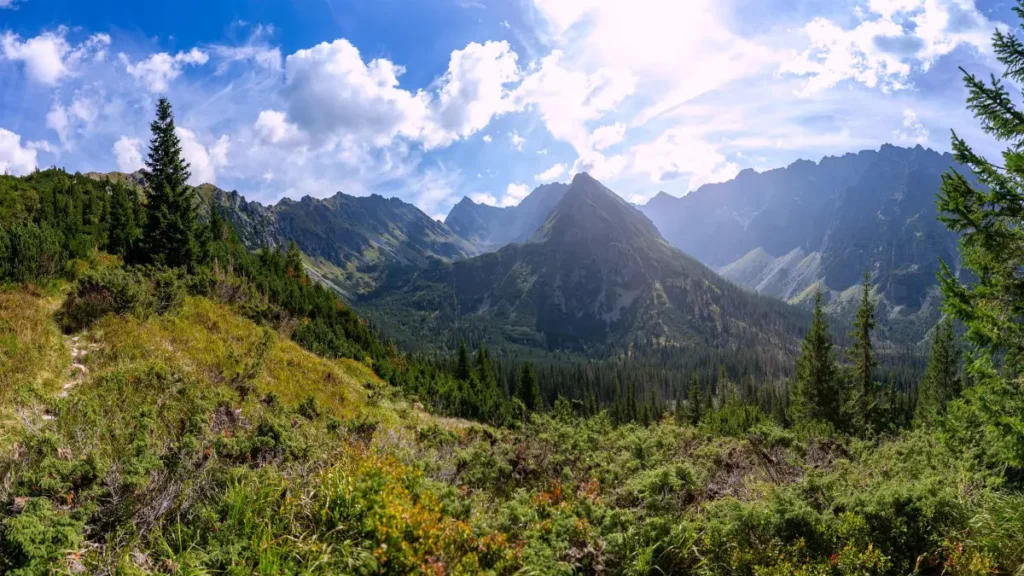
Quick pick: Urban culture → Bratislava. Mountain scenery → High Tatras. Hiking conditions and seasonal access details are available through the official Tatra National Park website.
If you’re considering guided experiences or organized visits, you can explore a separate overview of tours and day trips in Slovakia to see which options fit your itinerary.
Using a Map to Plan Your Trip
Visualizing distances helps prevent over-planning. Slovakia is compact, but mountain travel and regional transfers can take longer than expected. Seeing locations on a map clarifies what realistically fits into your timeframe.
This map highlights destinations in the Slovakia travel guide that fit well within a realistic 3–5-day itinerary. Use the layers to explore base cities, mountain areas, and optional additions without overloading your schedule.
Who This Slovakia Travel Guide Is Not For
This guide is not designed for travelers trying to cover every region of Slovakia in a single trip, nor for fast-paced itineraries that require constant transfers between distant locations. It also doesn’t focus on luxury resorts or long, multi-country routes where Slovakia is treated as a brief stop rather than a destination.
Instead, this approach works best for travelers who prefer a balanced pace and want to experience a few places in depth rather than moving continuously.
How to Travel Around Slovakia Efficiently
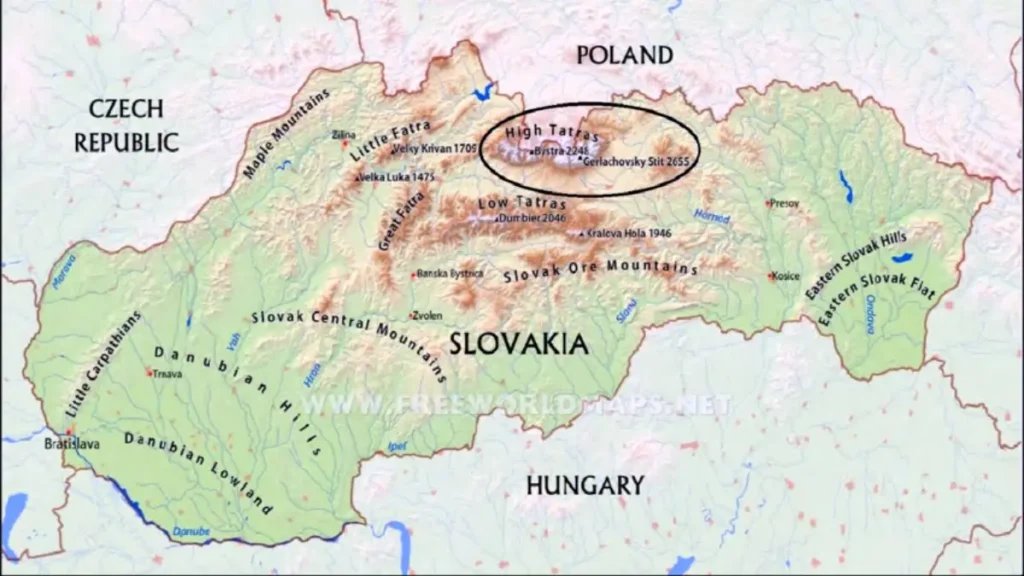
Understanding transport options helps set realistic Slovakia itinerary expectations for a short trip.
Train travel is generally the easiest way to move between major cities such as Bratislava, Žilina, and Poprad. The rail network is reliable, affordable, and well-suited to travelers who want to minimize planning complexity. Most regional journeys take only a few hours, making it possible to combine a city stay with a nature destination. Timetables and regional connections can be checked through the official Slovak railway operator.
Buses complement train routes, especially for reaching smaller towns and mountain areas. In regions where rail connections are limited, buses often provide more direct access and flexible schedules. Bus networks provide extensive coverage, particularly for mountain regions and smaller towns.
Private cars offer the greatest flexibility for 3-5 day itineraries in Slovakia, particularly if you plan to explore rural areas, castles, or scenic drives. However, for short trips focused on one or two destinations, a car is not always necessary and can add extra logistical considerations such as parking and navigation.
Choosing the right transport method depends mainly on your itinerary pace and the type of destinations you want to visit.
| Transport Option | Best For | Advantages | Considerations |
|---|---|---|---|
| Train | City-to-city travel | Reliable, affordable, comfortable | Limited direct access to rural areas |
| Bus | Smaller towns & mountains | Frequent routes, flexible schedules | Slightly longer travel times |
| Private Car | Scenic routes & remote areas | Maximum flexibility and independence | Parking and navigation required |
About the Author
I create a short-trip Slovakia travel guide focused on realistic pacing, walkable destinations, and thoughtful planning. Every guide is built around what truly works in 3–5 days, not what looks impressive on a map.