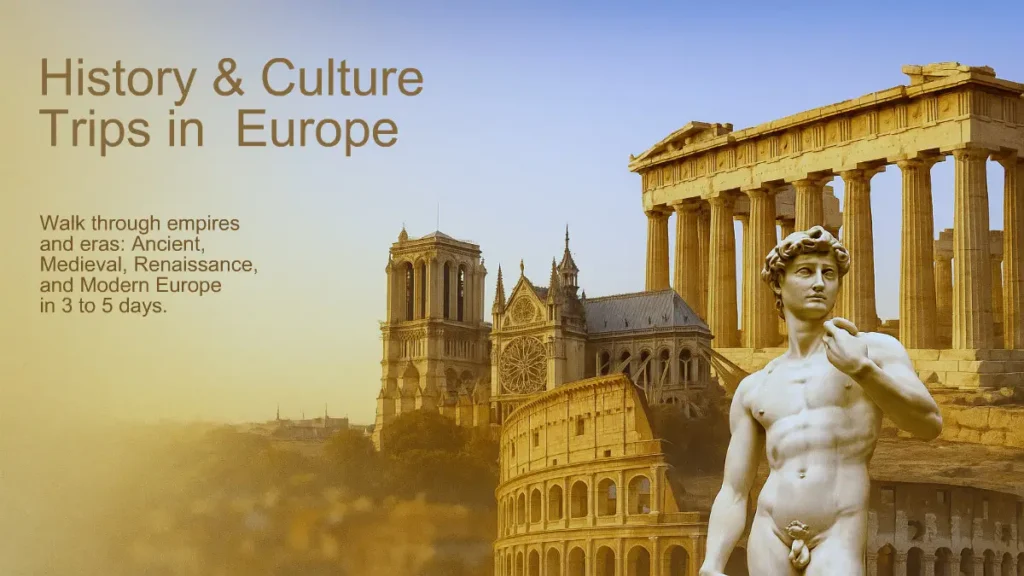
This guide curates 3–5 day history and culture trips in Europe so you can see more in less time: one base city, one clear theme, and one great day trip by train or coach—no car required.
Europe's story is written in stone and song—Roman forums and Greek temples, medieval walls and Gothic spires, Renaissance palaces, and the memorials of the modern Age
Use the four eras—Ancient, Medieval, Renaissance/Baroque, and Modern/WWII—to shape your break. Stroll the Colosseum and Vatican Museums in Rome, climb to the Acropolis in Athens, trace the guild streets in Bruges and Toledo, linger in Florence's galleries, or reflect at Berlin's Wall and Normandy's D-Day beaches.
We'll help you choose timed tickets and museum passes, pair headline sights with quieter gems, and weave in local culture—from fado nights to market food tastings.
History and Culture Trips in Europe (3–5 Days) — Interactive Map
Four themed layers (Ancient, Medieval, Renaissance/Baroque, Modern/WWII) with must-see sites and day trips to plan short, culture-rich itineraries.
Ancient Europe Highlights
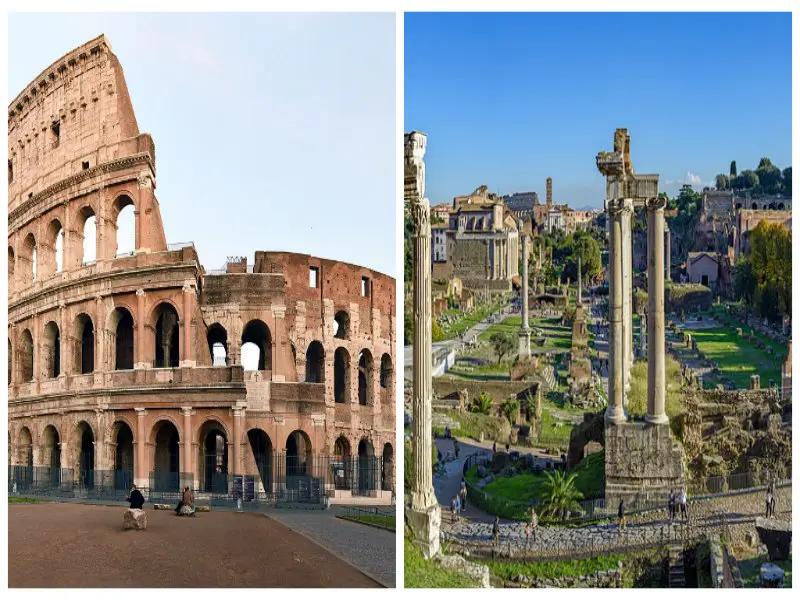
Rome — Colosseum & Roman Forum
Rome's core ancient trio—Colosseum, Forum, and Palatine—tells the story of power, spectacle, and everyday life. Book timed entry for the Colosseum, then walk the Via Sacra; add Ostia Antica as an easy day trip by rail.
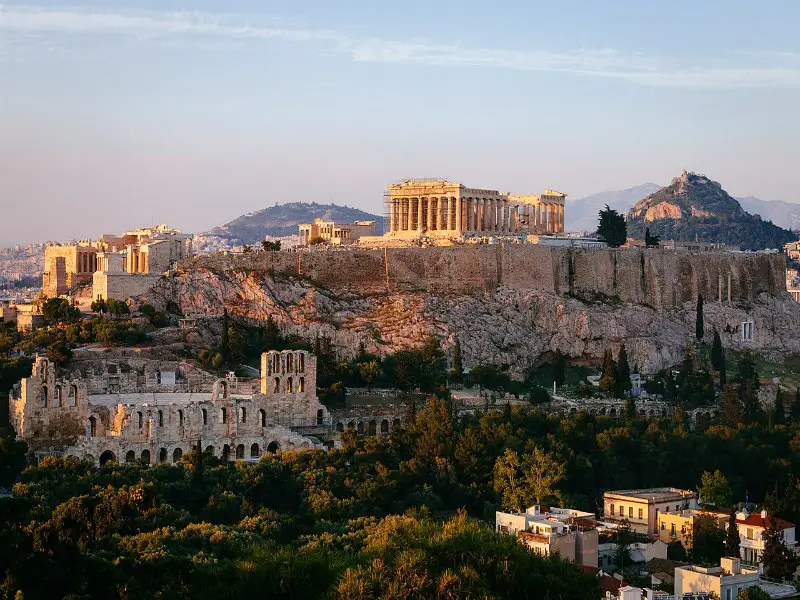
Athens — The Acropolis
The Parthenon crowns a hill of temples and myths with sweeping views over Athens. Visit early or late, pair it with the superb Acropolis Museum, and consider adding Cape Sounion or the Ancient Agora as extensions.
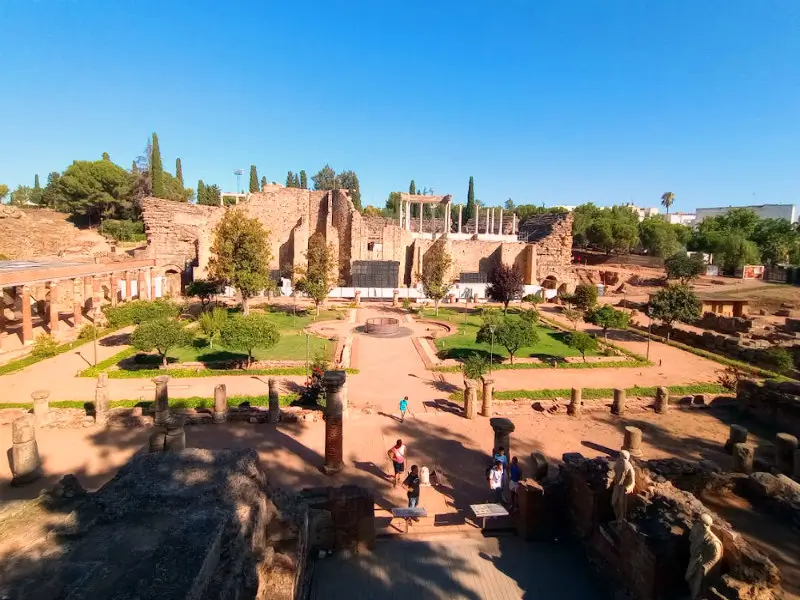
Mérida — Roman Theatre
An amphitheatre and a top-class archaeological museum accompany Spain's best-preserved Roman theatre. Compact, uncrowded, and perfect for slow exploration—an underrated alternative to bigger-name sites.
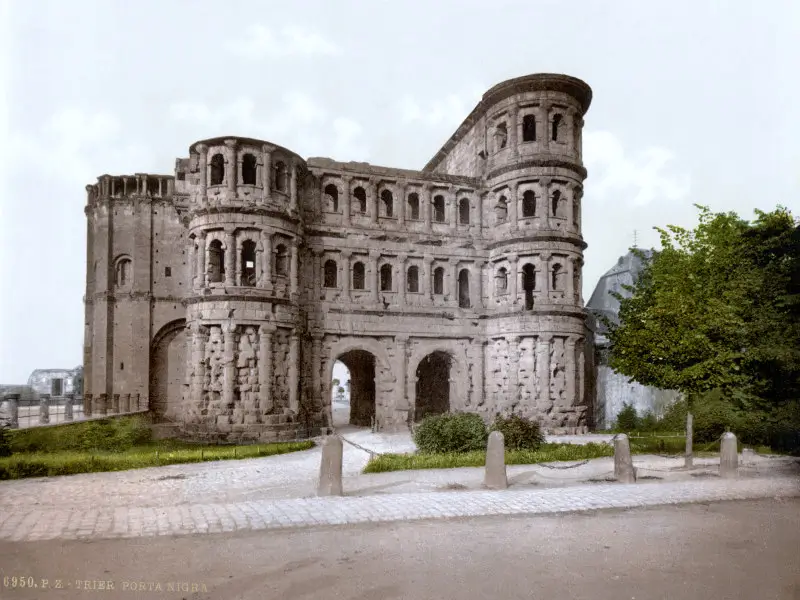
Trier — Porta Nigra
The “Black Gate” leads into a city rich in Roman remains (baths, basilica, bridge). Climb the gate, then loop through Trier's UNESCO-listed Roman sites on the Roman route; the vineyards along the Moselle make a great cultural/food pairing.
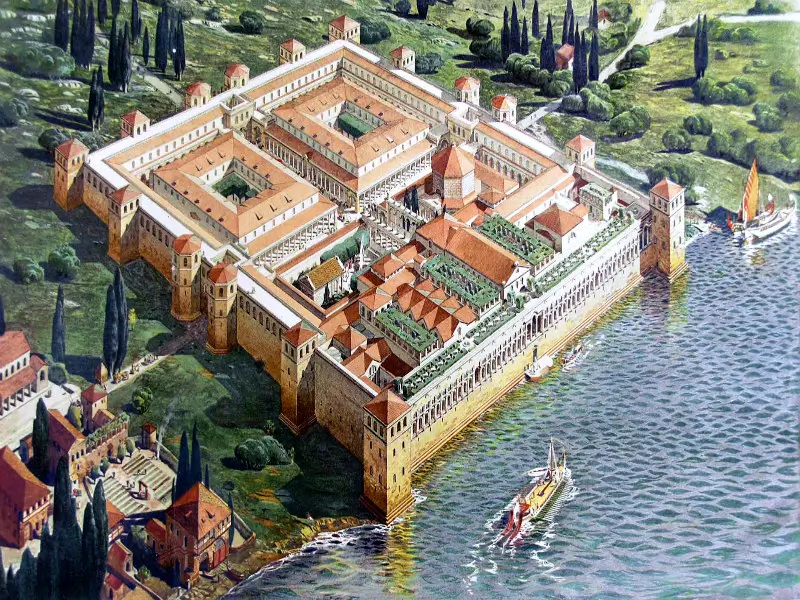
Split — Diocletian's Palace
A living UNESCO site, this Roman palace is fused with medieval streets, featuring peristyle courtyards, a temple, and cellars. Stay inside the walls for atmosphere; add Salona (Solin) or Trogir as short, history-heavy side trips.
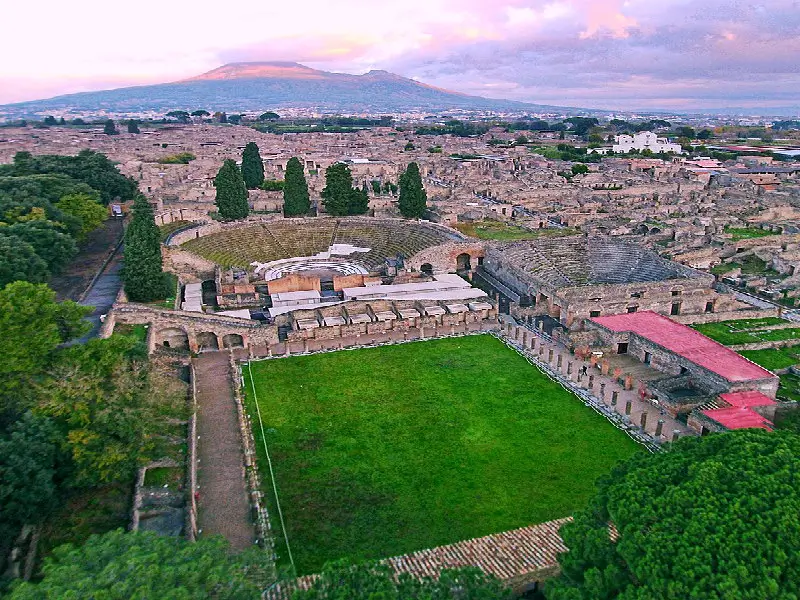
Pompeii Archaeological Park
A whole Roman city paused in AD 79: forum, houses, frescoes, bakeries, streets with stepping stones. Allow at least half a day; consider combining it with Herculaneum or the Villa Oplontis for a more comprehensive experience.
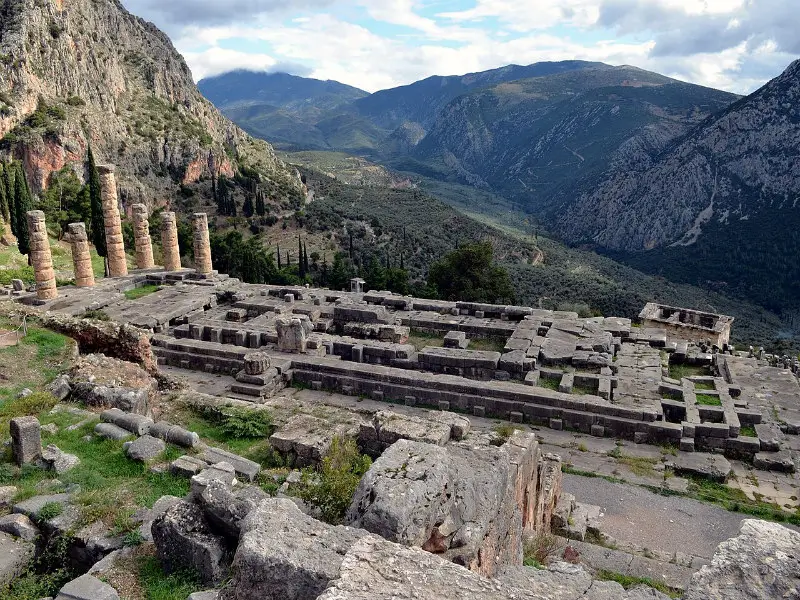
Delphi — Sanctuary of Apollo
The oracle's terraced temples, theatre, and stadium cling to Mount Parnassus with epic valley views. Visit the on-site museum, walk the Sacred Way, and time your trip for golden afternoon light.
Ancient Europe Highlights
Forums, temples, theatres, and whole Roman cities—seven must-see stops for a 3–5 day history break.
Medieval Europe Highlights
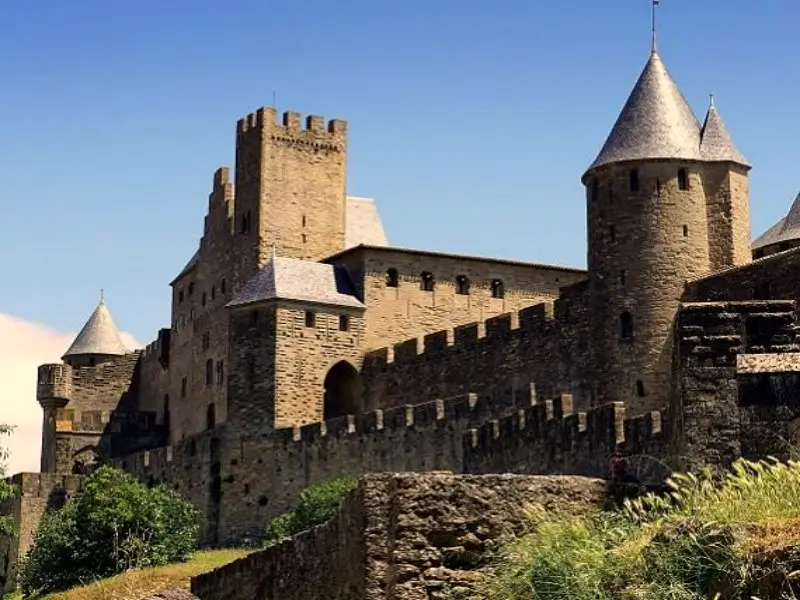
Carcassonne — La Cité
A South France double-walled hilltop fortress with 52 towers and storybook ramparts. Walk the walls, visit the Château Comtal, then linger for golden-hour views over the Aude. Pair with a Minerve or Cathar Country day trip.
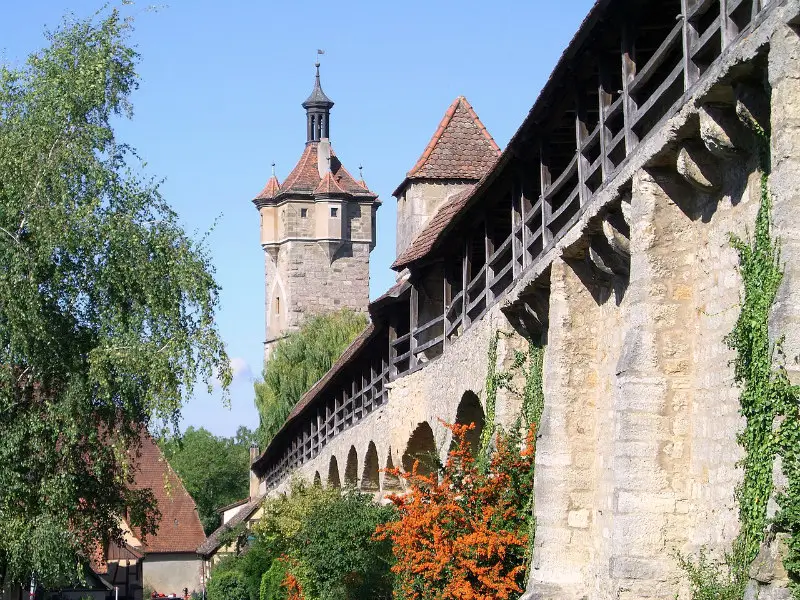
Rothenburg ob der Tauber
Germany's quintessential medieval town—cobbled lanes, timbered houses, and a complete wall walk. See the Plönlein, the Town Hall tower, and the Medieval Crime Museum; join the Night Watchman tour after dusk.
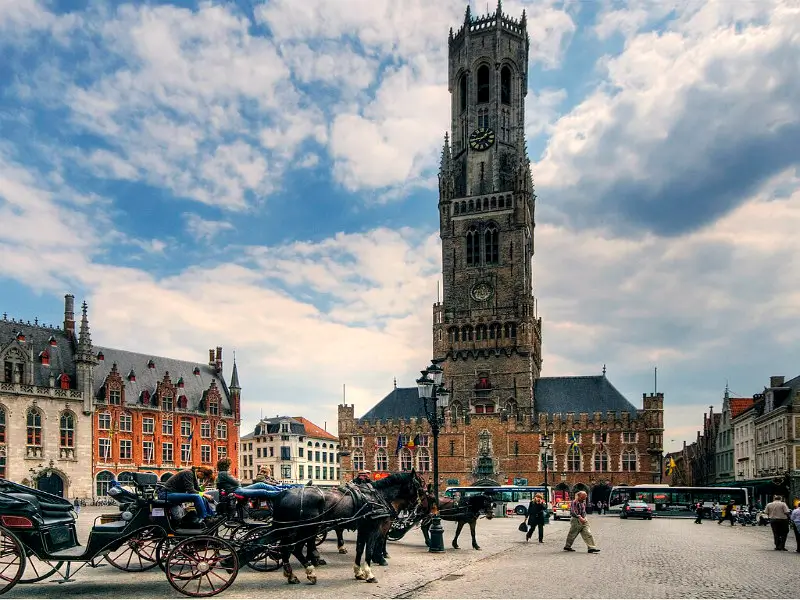
Bruges — The Belfry
Canals, guild houses, and a 13th-century belfry you can climb for sweeping views. Add the Groeninge Museum for Flemish masters and a short boat tour on the Reien for a classic Bruges afternoon.
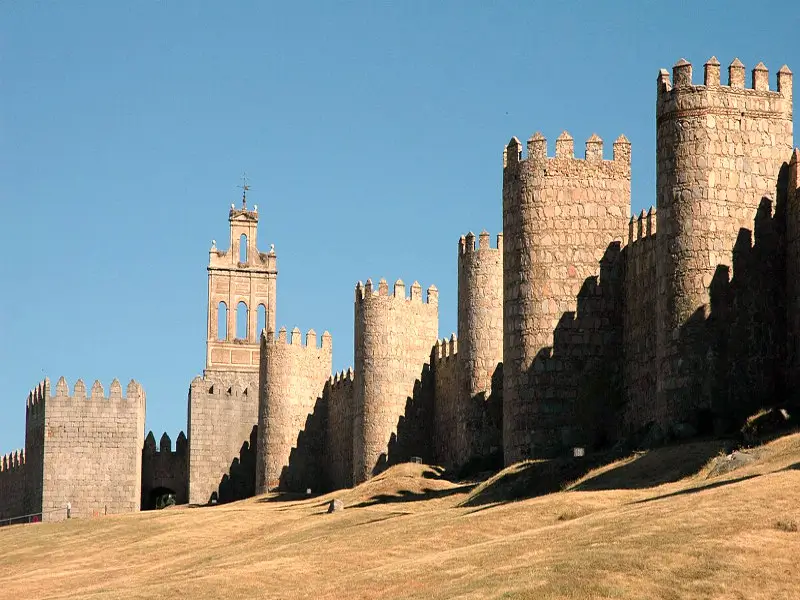
Ávila — City Walls
Magnificent Romanesque-Gothic walls encircle Spain's highest-elevation provincial capital. Walk the ramparts for views of the cathedral and Sierra de Gredos; stay after dark to see the walls dramatically illuminated.
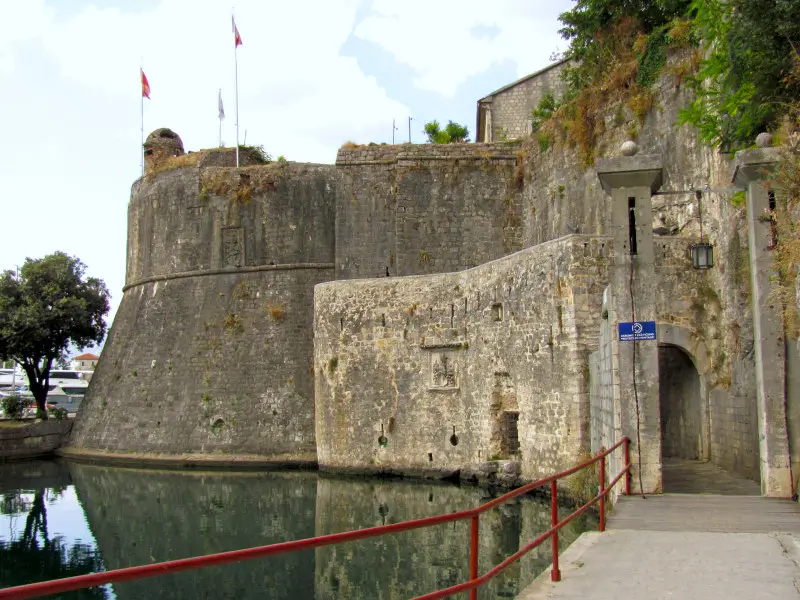
Kotor — Old Town
A compact Montenegrin, walled Adriatic town backed by mountains and a serpentine fortress path. Climb to St. John Fortress at sunrise or sunset, then explore Venetian palaces and Romanesque churches inside the walls.
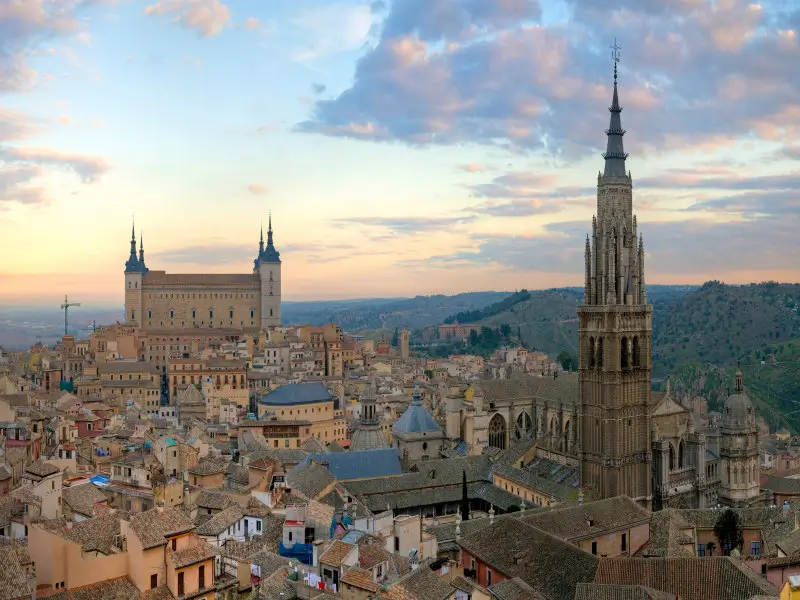
Toledo — Historic City
The “city of three cultures” is situated on a granite hill above the Tagus, featuring a Gothic cathedral, an Alcázar, synagogues, and the works of El Greco. Wander the maze of lanes and cross the San Martín Bridge for the classic skyline.
Medieval Europe Highlights
Castles, belfries, and walled towns—six iconic stops for your 3–5 day culture trips.
Renaissance to Baroque Europe
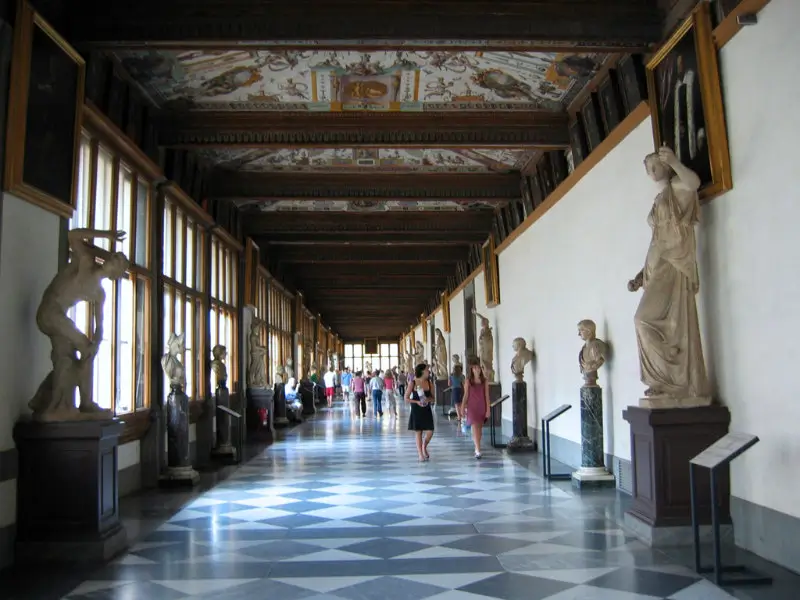
Florence — Uffizi Gallery
Botticelli, Leonardo, Michelangelo—masterpieces in a riverfront palace. Pair with the Duomo complex (Brunelleschi's dome) and the Accademia; book timed entries to avoid queues.
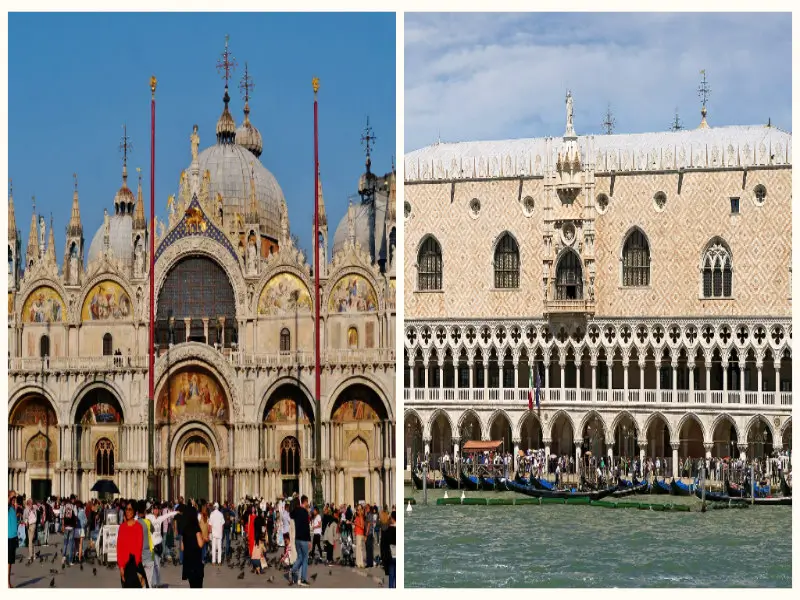
Venice — St Mark's Basilica & Doge's Palace
Glittering mosaics meet Venetian Gothic grandeur. Climb the Campanile for lagoon views, then walk the secret passages of the Doge’s Palace; consider a quiet canal sestiere walk after dusk.
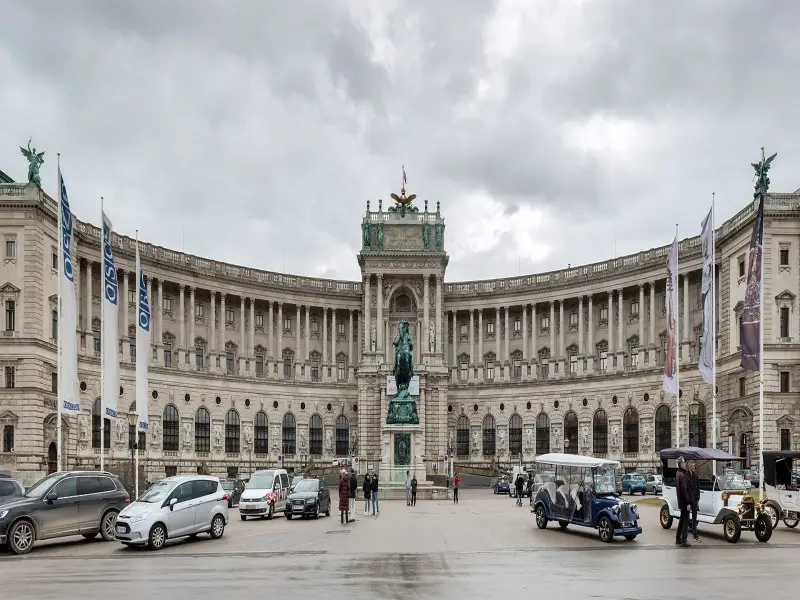
Vienna — Hofburg
Habsburg court life in Baroque state rooms, with the Spanish Riding School and the nearby MuseumsQuartier. Add Schönbrunn for imperial summer flair and a classical concert night.
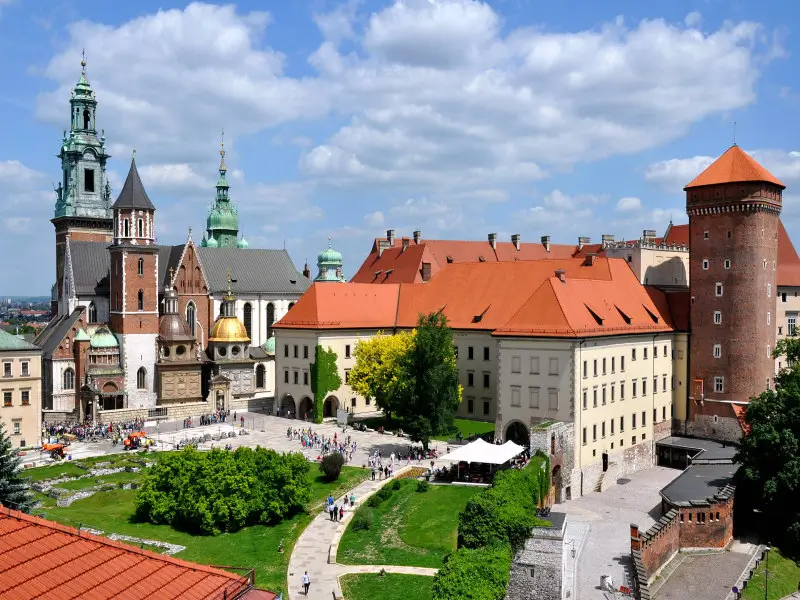
Kraków — Wawel
A Renaissance courtyard and royal chambers above the Vistula. Explore the cathedral tombs, then stroll to the Cloth Hall and Kazimierz for artisan cafés and Baroque churches.
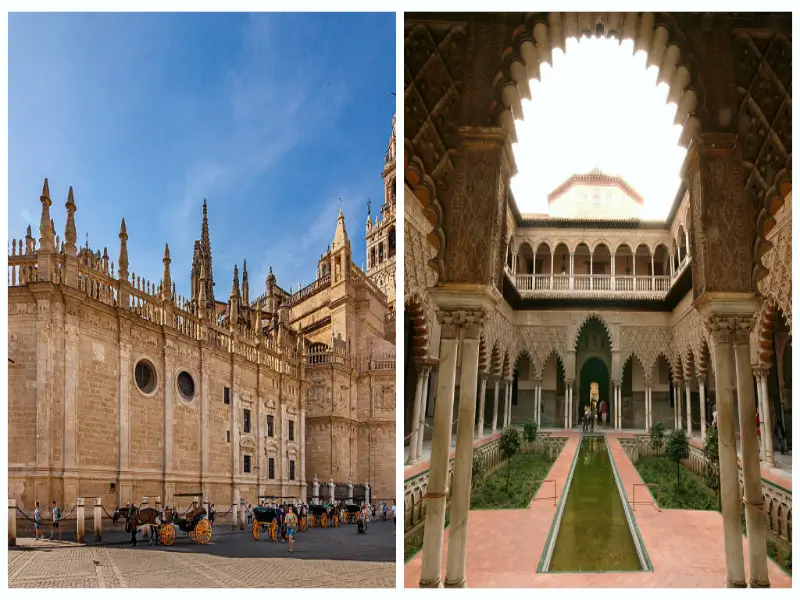
Seville — Cathedral & Alcázar
The world's largest Gothic cathedral, crowned by the Giralda, is beside Mudéjar-Renaissance palace gardens. Reserve a combo ticket and stay late for the golden light on the patios.
Renaissance & Baroque Highlights
Courts, canvases, and cathedrals—five essential stops for 3–5 day culture trips.
Modern & WWII: War, Peace & Reconstruction
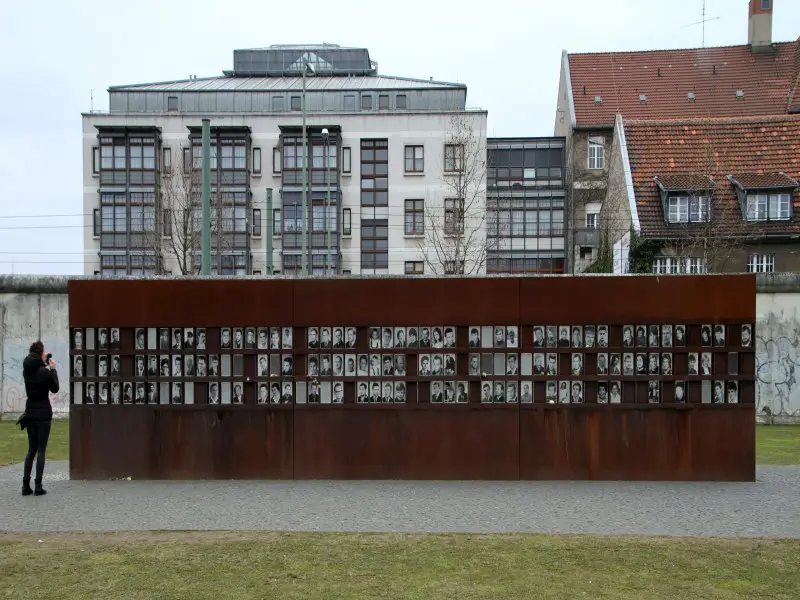
Berlin Wall Memorial (Bernauer Straße)
An open-air slice of the former border with a watchtower and a preserved death strip. Pair with the Documentation Center and East Side Gallery; consider a Cold War walking tour.
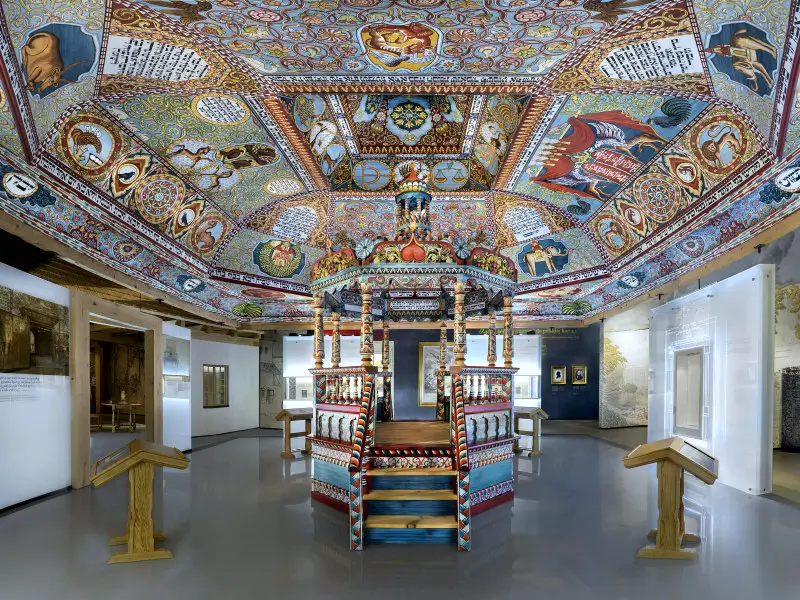
Warsaw — POLIN Museum of the History of Polish Jews
Award-winning storytelling across a millennium, with powerful modern-era galleries. Reserve timed tickets; combine with a visit to the Warsaw Uprising Museum for a comprehensive experience.
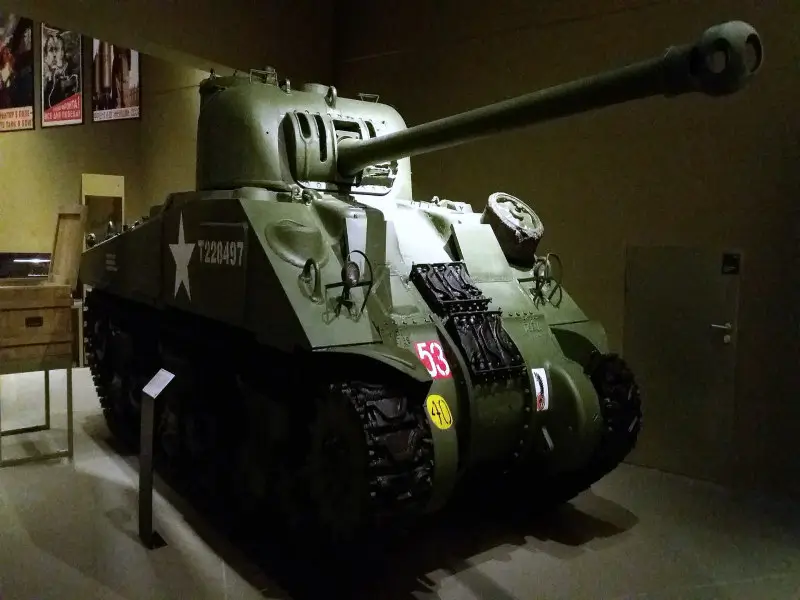
Gdańsk — Museum of the Second World War
Striking architecture and deeply researched exhibits on the war’s origins and impact—minutes from the Old Town and Westerplatte (first shots of WWII).
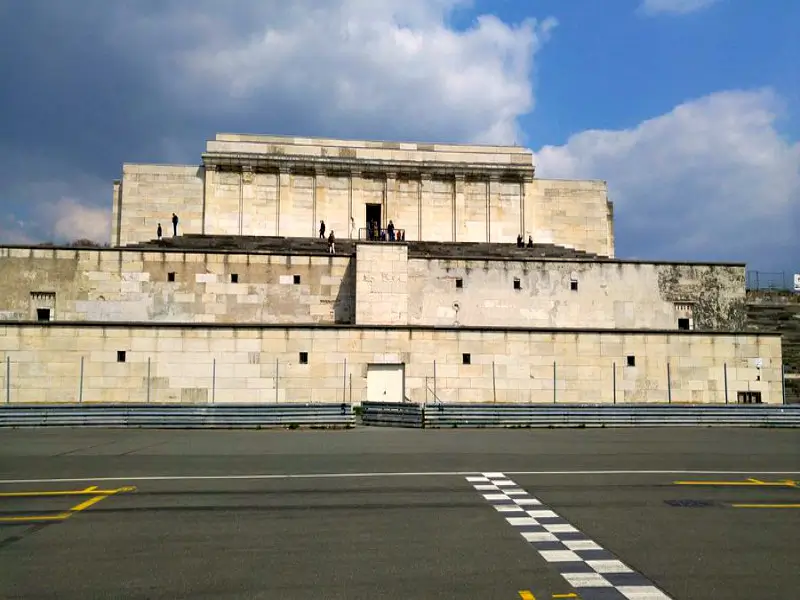
Nuremberg — Documentation Center & Rally Grounds
Inside the former Nazi congress hall, this exhibition unpacks propaganda, power, and consequences. Walk the grounds, then see the historic courtroom at the Nuremberg Trials.
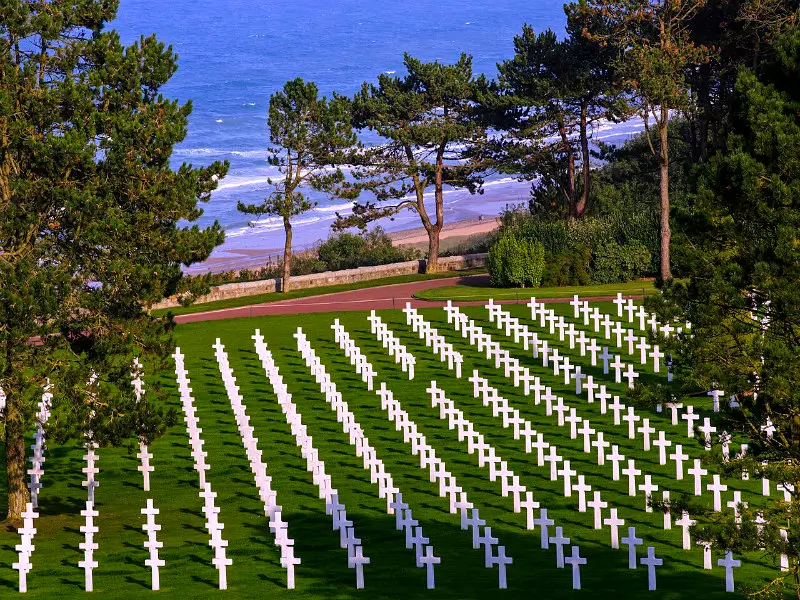
Normandy — Omaha Beach & American Cemetery
Stand on a D-Day landing site and visit the clifftop cemetery and visitor center. Add Pointe du Hoc or Utah Beach Museum for context; go early for quieter reflection.
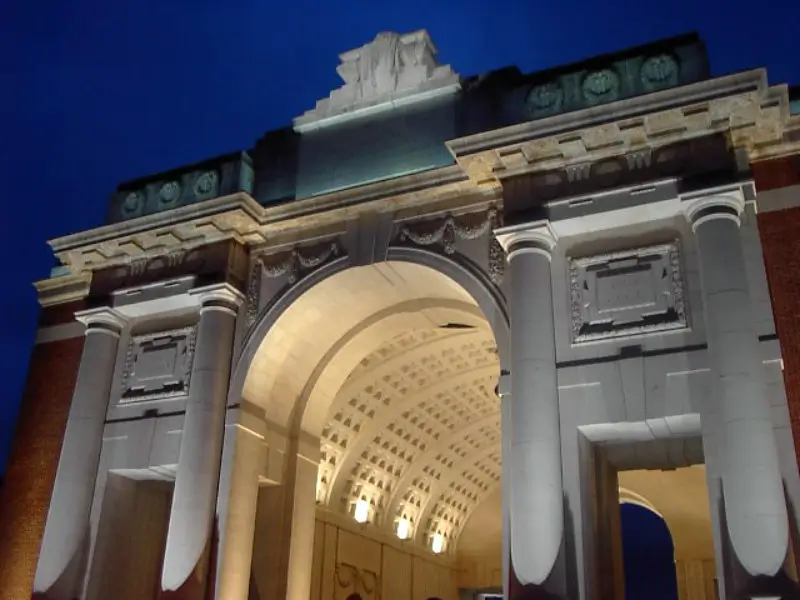
Ypres (Ieper) — Menin Gate & Last Post
WWI memorial to the missing with a nightly 20:00 ceremony. Spend time at the In Flanders Fields Museum; day-trip to nearby cemeteries and preserved trenches.
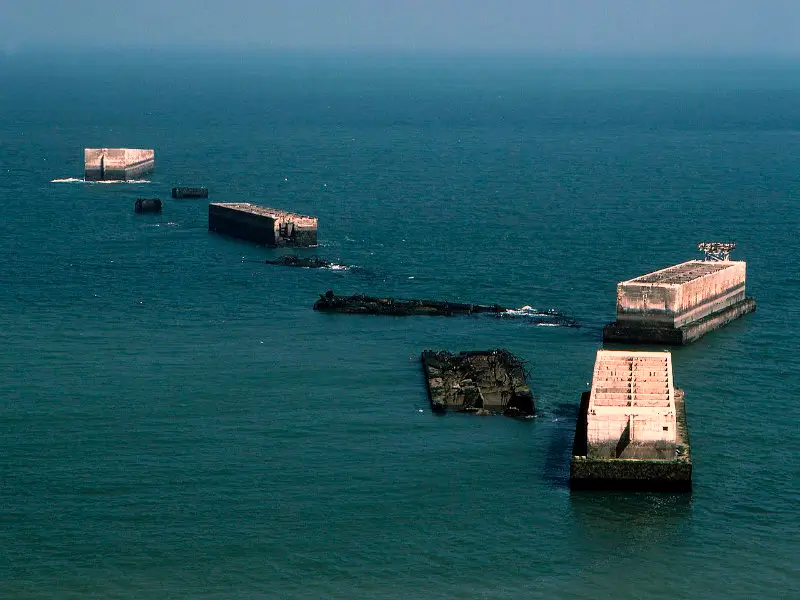
Arromanches — Mulberry Harbour Remains
See the concrete caissons of the temporary port that sustained the Normandy landings. Visit the museum and the clifftop viewpoint, pairing them with the Gold/Juno sector sites.
Modern & WWII Highlights
Museums, memorials, and pivotal places that shaped Europe’s 20th century.
In just 3–5 days, you can trace history and clulture trips in Europe from ancient forums and medieval walls to Renaissance masterpieces and modern-era memorials—all without a car. Choose one base city, anchor each day with a timed-entry highlight, and weave in one well-chosen day trip for depth without the rush. Our four-layer approach—Ancient • Medieval • Renaissance/Baroque • Modern/WWII—keeps planning simple and your experience rich.